























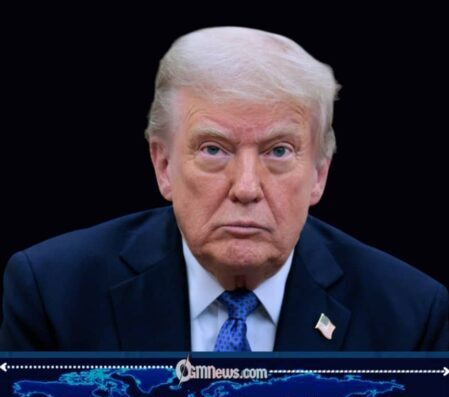
Donald Trump, serving a second term as President of the United States, confirmed that multiple American citizens detained in Venezuela have been released, calling the development a significant step in a rapidly evolving relationship between Washington and Caracas. The announcement follows weeks of heightened diplomatic pressure, security actions, and behind-the-scenes negotiations led by the Trump administration.
President Donald Trump framed the releases as part of a broader strategy aimed at protecting American citizens abroad while reshaping U.S. engagement in the Western Hemisphere. Administration officials described the development as both humanitarian and strategic, though they emphasized that the situation in Venezuela remains fluid.
President Donald Trump and the Immediate White House Response
President Donald Trump addressed the releases in brief remarks, underscoring that securing the freedom of detained Americans has been a top priority of his administration. He credited what he described as “clear leverage and firm diplomacy” for producing tangible results without prolonged escalation.
White House officials echoed President Donald Trump’s comments, noting that the releases were verified through diplomatic and intelligence channels. They stressed that the administration will continue working to determine whether any additional U.S. citizens remain in custody and to ensure their safe return.
Background: Detention Amid Years of U.S.–Venezuela Tensions
The detention of American citizens in Venezuela has long been a point of contention, reflecting years of strained relations, sanctions, and mutual accusations. Previous U.S. administrations relied heavily on indirect diplomacy, while President Donald Trump has pursued a more confrontational approach, combining pressure with selective engagement.
Analysts say the latest releases may reflect changing calculations in Caracas, as Venezuelan authorities seek relief from isolation and economic strain. The Trump administration has consistently argued that firm posture, rather than accommodation, yields results.
President Donald Trump’s Broader Strategy on Venezuela
President Donald Trump has linked the detainee releases to a wider framework that includes energy policy, regional security, and political legitimacy in Venezuela. U.S. officials maintain that Washington does not recognize the existing power structure in Caracas as legitimate and continues to push for representative governance.
In recent statements, President Donald Trump has suggested that cooperation—such as releasing detainees—could open doors to limited engagement, while warning that obstruction would invite renewed pressure. The administration insists that no concessions undermine U.S. legal or strategic interests.
Regional Implications and International Reactions
The release of American detainees has drawn cautious reactions from regional governments and international observers. Some see the move as a confidence-building measure, while others warn it may be temporary without deeper political reforms.
U.S. allies in the Americas are closely watching how President Donald Trump balances enforcement, diplomacy, and humanitarian outcomes. Energy markets, migration patterns, and security cooperation are all seen as interconnected to Washington’s next steps.
What Comes Next for U.S.–Venezuela Relations
Despite the breakthrough, U.S. officials caution that the situation remains unresolved. Questions persist over Venezuela’s political future, the status of remaining prisoners, and the durability of recent cooperation.
President Donald Trump has made clear that the United States will continue to prioritize American citizens, regional stability, and domestic economic interests as the situation develops. Administration officials say additional announcements may follow as more details become available.
[…] […]