




















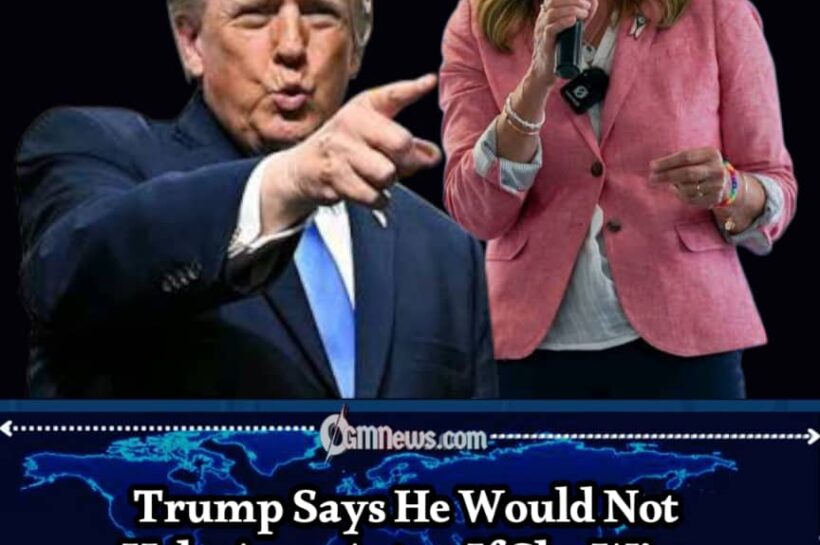




House Minority Leader Hakeem Jeffries has publicly criticized President Donald Trump, the current U.S. president serving a second term, accusing him of prioritizing Venezuela over pressing domestic concerns. In a pointed statement, Jeffries framed his remarks around what he described as a contradiction between the administration’s foreign policy emphasis and the everyday needs of American citizens, calling for greater focus on issues at home.
Jeffries Raises Concerns Over Policy Priorities
Hakeem Jeffries argued that recent rhetoric and policy signals from the White House suggest an outsized focus on Venezuela at a time when many Americans are facing economic and social pressures. He questioned why foreign affairs are being elevated above domestic challenges such as cost of living, healthcare access, and infrastructure needs.
According to Jeffries, effective leadership requires a clear hierarchy of priorities, with the welfare of American citizens placed first. His comments were positioned as a critique of governance choices rather than a personal attack, emphasizing accountability and national responsibility.
Scrutiny of President Trump’s Foreign Policy Approach
President Donald Trump, now serving his second term, has repeatedly highlighted Venezuela in discussions about regional stability, energy interests, and geopolitical influence. Supporters of the administration argue that U.S. engagement in Venezuela is strategically necessary and ultimately beneficial to American interests.
Jeffries, however, suggested that such engagement risks appearing disconnected from domestic realities. He contended that foreign policy initiatives must be clearly linked to tangible benefits for Americans, especially during periods of economic strain.
Domestic Challenges at the Center of the Debate
Jeffries’ remarks redirected attention to unresolved domestic issues, including inflationary pressures, public services, and employment security. He argued that Americans expect visible action on these fronts before significant political capital is invested abroad.
By highlighting these concerns, Jeffries aligned his message with broader Democratic talking points that emphasize bread-and-butter issues. His statement reflects an effort to frame the political debate around everyday governance rather than international posturing.
Political Messaging and Partisan Dynamics
The exchange underscores ongoing partisan divisions over how the Trump administration allocates its attention and resources. For Democrats, Jeffries’ comments serve as a rallying call to challenge what they view as misplaced priorities.
Republicans, meanwhile, have defended the administration’s foreign policy agenda, arguing that international stability and U.S. influence abroad are inseparable from domestic prosperity. The contrast illustrates how foreign policy has become a central feature of domestic political messaging.
Public Reaction and Broader Implications
Early reactions to Jeffries’ statement have been mixed, with supporters praising his directness and critics accusing him of oversimplifying complex policy decisions. Nonetheless, the remarks have amplified debate over the balance between domestic governance and international engagement.
As political discourse intensifies, the episode highlights a recurring question in U.S. politics: how leaders should weigh global responsibilities against domestic expectations. Jeffries’ intervention adds momentum to that conversation.
What This Means Going Forward
Jeffries’ critique may shape future Democratic messaging as lawmakers seek to contrast their priorities with those of the Trump administration. By focusing on domestic needs, Democrats aim to frame upcoming policy debates around immediate economic and social concerns.
For the administration, the response to such criticism will likely involve reinforcing the argument that foreign policy decisions are made with American interests in mind. How effectively that case is made may influence public perception in the months ahead.
[…] […]