



























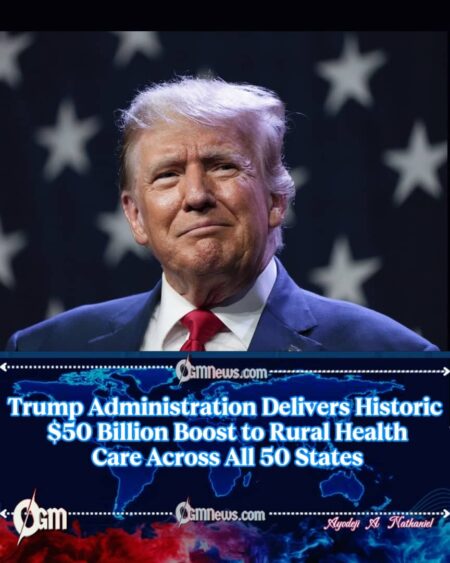
Trump administration officials have announced a historic $50 billion investment aimed at strengthening rural health care systems across all 50 U.S. states, marking one of the largest federal commitments ever directed toward rural medical access. The initiative seeks to address long-standing disparities affecting more than 60 million Americans living outside major metropolitan areas.
The funding package is positioned as a cornerstone of President Donald Trump’s second-term domestic agenda, with senior officials emphasizing that access to quality health care should not depend on geography. The announcement has drawn national attention as policymakers and health experts assess its potential impact.
Scope and Structure of the Investment
The $50 billion rural health care initiative is designed to be comprehensive, targeting infrastructure, workforce shortages, and service accessibility. According to federal officials, funds will be distributed through grants, targeted programs, and strategic partnerships with state governments and health providers.
Trump administration representatives said allocations will be tailored to each state’s unique needs, including population density, hospital capacity, and existing health outcomes. This approach is intended to ensure that deeply rural and underserved regions receive meaningful support rather than symbolic funding.
Stabilizing Rural Hospitals and Clinics
A major focus of the program is the stabilization of rural hospitals, many of which have faced financial distress and closures over the past decade. Hospital shutdowns have forced rural residents to travel long distances for emergency and specialty care, often with serious consequences.
Under the plan, Trump administration funding will be used to modernize facilities, upgrade medical equipment, and expand essential services. Officials argue that strengthening local hospitals is critical to improving outcomes and sustaining rural communities.
Telehealth Expansion and Workforce Development
Another central pillar of the initiative is the expansion of telehealth services to bridge gaps caused by provider shortages and geographic isolation. Investments will support digital infrastructure that allows rural patients to access specialists without leaving their communities.
At the same time, Trump administration officials outlined incentives aimed at attracting health professionals to rural areas, including loan forgiveness, residency placement programs, and competitive compensation packages. These measures are intended to address chronic staffing shortages that have long challenged rural health systems.
Federal Leadership and Policy Messaging
Health and Human Services Secretary Robert F. Kennedy Jr. underscored the administration’s policy rationale, stating that rural Americans deserve the same standard of care as those in urban centers. He emphasized that more than 60 million rural residents “have the right to equal access to quality care.”
Supporters say Trump administration messaging reflects a shift toward long-term structural investment rather than temporary relief. Critics, however, have called for strong oversight mechanisms to ensure transparency and effective use of public funds.
Implications for Rural Health Equity
Health policy analysts note that rural populations face higher rates of chronic illness, limited access to specialists, and lower life expectancy compared to urban counterparts. The scale of the investment has raised expectations that meaningful progress could be achieved if implementation is effective.
According to observers, Trump administration success will depend on coordination between federal agencies, state governments, and local providers. The program’s outcomes are likely to shape future debates on health equity and federal responsibility in underserved regions.



[…] […]