














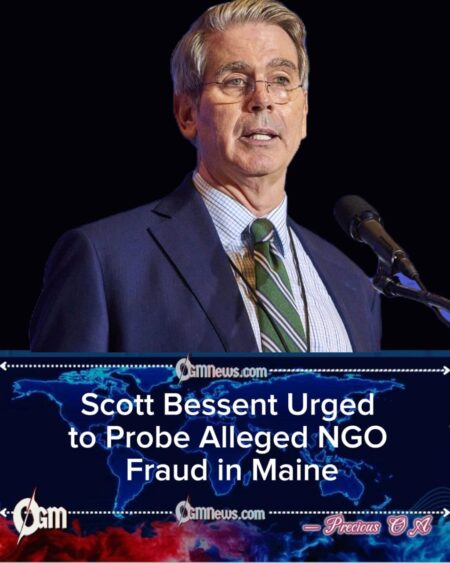
Scott Bessent has been urged by several lawmakers to initiate a formal review into a Maine-based nonprofit organization following claims of financial irregularities tied to the group’s use of public funds. The calls come amid broader national scrutiny of how federal grants are awarded and monitored.
Requests for review were submitted to the Treasury Department after whistleblowers and community stakeholders raised concerns about whether allocated funds were used strictly for their stated charitable purposes. Officials have not yet confirmed whether a full investigation has been opened.
Scott Bessent acknowledged that the department routinely evaluates complaints related to grant oversight and nonprofit compliance, adding that any credible allegation would be examined according to established procedures.
Nature of the Allegations
Scott Bessent has been briefed on claims suggesting that certain expenditures by the organization may not align with the terms of its grant agreements. The allegations center on documentation gaps, procurement practices, and internal controls.
Independent auditors familiar with nonprofit compliance say that such issues, if substantiated, can lead to corrective actions, repayment of funds, or referrals to law-enforcement agencies. At this stage, the claims remain unproven.
Scott Bessent emphasized that the Treasury Department evaluates evidence before taking any enforcement steps and that due process protections apply to all entities under review.
Oversight and Compliance Standards
Federal grants are governed by strict rules that require transparent accounting, regular reporting, and independent audits. Organizations must demonstrate that funds directly support the public purposes described in their grant applications.
Scott Bessent noted that Treasury works closely with inspectors general and other oversight bodies to ensure accountability and compliance. He added that maintaining public trust in grant programs is a top priority.
When compliance lapses are identified, agencies may require corrective action plans, enhanced monitoring, or repayment of misused funds, depending on the severity of the findings.
Response From the Organization
Scott Bessent stated that Treasury encourages organizations facing allegations to cooperate fully with any information requests. He also said that voluntary disclosures can mitigate potential penalties.
Representatives for the nonprofit have said they are reviewing the claims and compiling records to demonstrate proper use of funds. They have indicated a willingness to engage with federal reviewers.
Scott Bessent reiterated that cooperation and transparency are critical during any preliminary review, stressing that the process aims to clarify facts rather than presume wrongdoing.
Broader Policy Context
Nonprofit funding programs have expanded in recent years to support social services, workforce development, and community health initiatives. With that expansion has come heightened attention to oversight mechanisms.
Scott Bessent highlighted recent Treasury initiatives designed to strengthen grant monitoring, including improved reporting tools and risk-based auditing.
Policy analysts say that robust oversight protects both taxpayers and legitimate nonprofits by ensuring that funds are directed to their intended purposes and that compliant organizations are not disadvantaged by bad actors.
Next Steps and Outlook
Scott Bessent confirmed that Treasury will determine whether a formal inquiry is warranted based on the credibility and specificity of the allegations received.
If a review proceeds, officials may request financial statements, vendor contracts, and program reports to assess compliance. Outcomes could range from no action to corrective measures.
Scott Bessent concluded that the department remains committed to safeguarding public resources while ensuring fair treatment for organizations and communities that rely on federal support.

The weekly tournaments here keep me coming back because the prize pools are surprisingly generous....