




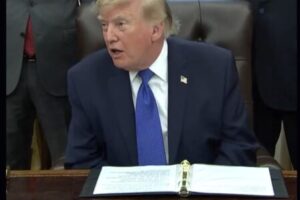



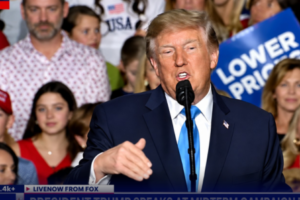














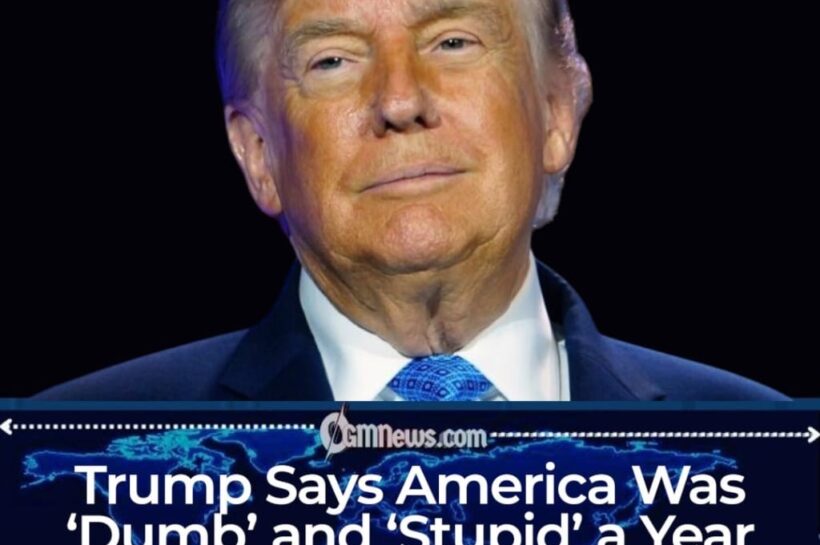





Donald Trump, the current U.S. president serving a second term, has come under public and political scrutiny following reports that his campaign operation issued aggressive fundraising appeals on Christmas Day.
The outreach, sent via email and text messages, urged supporters to donate during the holiday, framing contributions as urgent and essential to sustaining his political movement.
Critics argue that the timing and emotional framing of the appeals amounted to predatory fundraising, exploiting religious sentiment and seasonal goodwill.
Supporters of the president, however, insist that holiday fundraising is a standard feature of modern political campaigns and does not inherently constitute misconduct.
Donald Trump’s Christmas Day Messages Spark Public Backlash
Donald Trump’s fundraising messages circulated widely on December 25, prompting backlash from advocacy groups, political opponents, and some supporters. The communications reportedly emphasized urgency, loyalty, and patriotism, with repeated reminders sent throughout the day.
Several recipients said the volume of messages felt excessive for a holiday traditionally associated with reflection and family.
Consumer advocacy organizations expressed concern that elderly and financially vulnerable supporters could feel pressured into donating during an emotionally sensitive period.
Donald Trump’s Fundraising Language Draws Critical Attention
Donald Trump’s campaign messaging reportedly relied on language designed to evoke emotional responses, including appeals to faith, national identity, and personal allegiance. Some messages referenced donation “matches” or limited-time opportunities, techniques commonly used in commercial marketing.
Campaign finance analysts note that while such language is legally permissible, its ethical implications remain contested. They argue that emotionally charged appeals, particularly on religious holidays, blur the line between political engagement and emotional manipulation.
Donald Trump’s Supporters Show Mixed Reactions
Donald Trump’s loyal base has responded with a mix of defense and discomfort. Some supporters argue that fundraising is essential to sustaining political movements and that holidays often inspire generosity. Others, however, expressed unease, saying the messaging felt intrusive and inappropriate for Christmas Day.
This division reflects broader tensions within modern political movements, where constant fundraising risks donor fatigue and erosion of trust, even among committed supporters.
Donald Trump’s Fundraising Practices Remain Legally Compliant
Donald Trump’s campaign appears to have complied with existing U.S. campaign finance regulations. The fundraising messages reportedly included required disclaimers, and donations were voluntary. No formal legal violations have been alleged.
Nevertheless, watchdog groups stress that legality does not eliminate ethical responsibility. They argue that repeated small-dollar solicitations, particularly when framed as moral obligations, can cumulatively place financial strain on supporters with limited resources.
Trump’s Campaign Reflects a Broader Political Trend
Donald Trump’s Christmas fundraising controversy highlights a broader shift in American politics toward high-frequency, emotionally driven digital fundraising. Such tactics are now common across party lines, driven by the effectiveness of small-dollar online donations.
Political analysts warn that this trend risks normalizing aggressive solicitation and weakening public trust. As campaigns increasingly resemble marketing operations, voters may grow more cynical about political motives and leadership integrity.
Trump’s Second Term Raises Questions About Leadership Standards
Trump’s actions during his second term continue to shape debates about political ethics and leadership norms. While his support base remains substantial, controversies surrounding fundraising practices may influence perceptions of trust and accountability.
The Christmas fundraising episode underscores enduring questions about how political leaders should engage supporters during culturally significant moments and what ethical standards the public should reasonably expect from those in power.
Casinoabc999? Good Site. The interface is sleek, and there is a lot of stuff to...