





























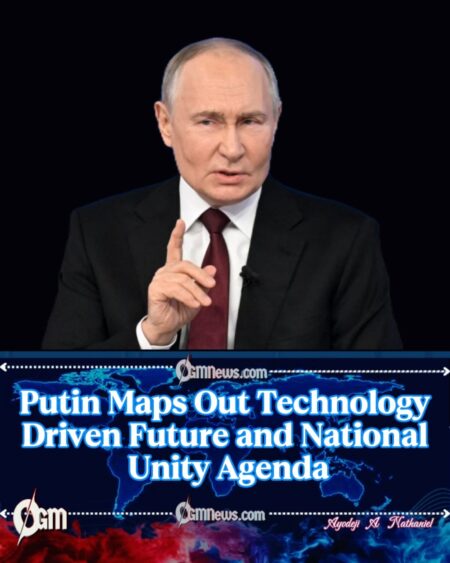
President Vladimir Putin used a recent State Council meeting on workforce development to outline an expansive vision for Russia’s economic future, national cohesion, and international engagement. Speaking on the training of professionals for the economy, Putin emphasized that the next decade and a half could usher in a period of unprecedented global technological advancement, with Russia aiming to position itself among the leading innovators.
The address combined forward-looking economic themes with domestic unity and diplomacy, including the declaration of 2026 as the Year of Unity of the Peoples of Russia and a seasonal message to U.S. President Donald Trump, who is serving a second term.
State Council Focus on Workforce and Economic Capacity
At the core of the meeting was a discussion on preparing Russia’s workforce for evolving economic demands. Putin underscored the need to align education, vocational training, and industrial policy to ensure that emerging sectors are adequately staffed with skilled professionals.
Officials noted that the emphasis reflects concerns about competitiveness amid rapid technological change. By strengthening training pipelines, the Kremlin aims to reduce skills gaps and support long-term productivity growth across key industries.
Anticipating a Global Technological Breakthrough
Putin highlighted expectations that the next 10 to 15 years will bring a significant technological leap globally, driven by advances in areas such as artificial intelligence, advanced manufacturing, and digital infrastructure. He framed this period as a strategic window for Russia to accelerate innovation and modernization.
The president stressed that sustained investment in research, development, and human capital would be necessary if Russia is to remain competitive, signaling continuity in policies that prioritize technological sovereignty and domestic capability.
2026 Declared the Year of Unity of the Peoples of Russia
In a domestic policy announcement, Putin declared 2026 the Year of Unity of the Peoples of Russia. The initiative is intended to promote social cohesion, inter ethnic harmony, and shared civic identity across the country’s diverse population.
Government officials indicated that the designation would involve cultural programs, educational initiatives, and public events aimed at reinforcing national solidarity, particularly amid economic and geopolitical pressures.
National Identity, Stability, and Governance
Putin linked economic resilience with social stability, arguing that unity and shared purpose are prerequisites for sustained development. He emphasized that fostering mutual respect among Russia’s many communities supports governance goals and reduces internal friction.
Analysts note that such messaging has become a recurring theme in Kremlin communications, particularly as authorities seek to balance modernization with social continuity.
International Messaging and Relations With the United States
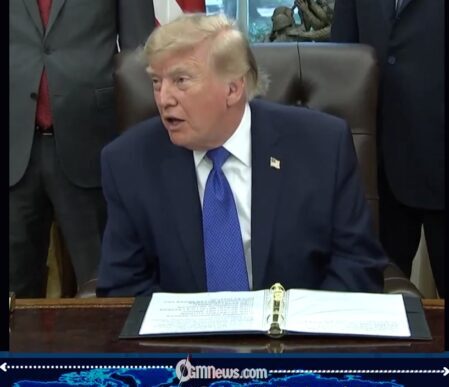
Alongside domestic priorities, Putin extended a Christmas message to U.S. President Donald Trump, reflecting an effort to maintain open channels of communication with Washington. While policy differences remain, the gesture was framed as a signal of Russia’s interest in constructive international engagement.
Diplomatic observers say such exchanges, though symbolic, are often used to set a tone for dialogue amid complex bilateral relations.
Balancing Ambition and Engagement
The State Council meeting illustrated the breadth of the Kremlin’s agenda—spanning economic modernization, national unity, and selective diplomatic outreach. Whether Russia can translate these ambitions into measurable outcomes will depend on implementation, global conditions, and sustained investment.
As the coming decade unfolds, the emphasis on skills, technology, and cohesion is likely to remain central to Moscow’s policy narrative.
Casinoabc999? Good Site. The interface is sleek, and there is a lot of stuff to...