

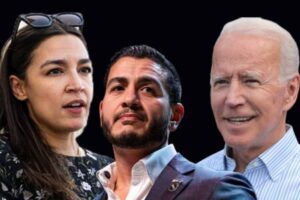
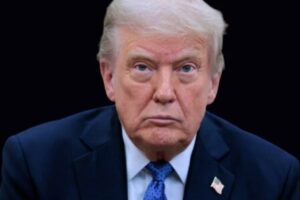
















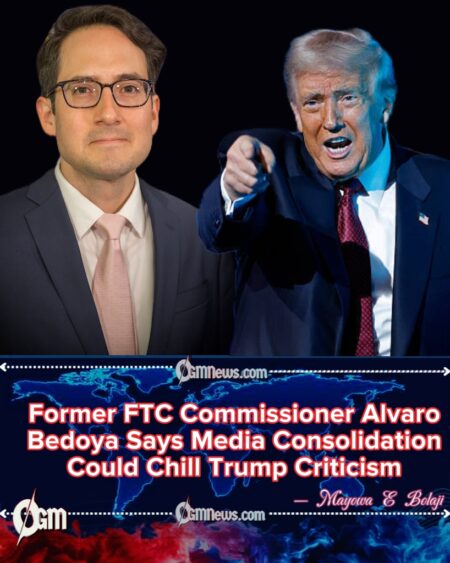
Alvaro Bedoya, a former Federal Trade Commission commissioner and longtime advocate on technology and media policy, has raised concerns that major media mergers could create opportunities for President Donald Trump, now serving a second term as U.S. president, to exert influence over news and entertainment networks. Bedoya argues that consolidation in the media industry risks transforming business negotiations into political pressure points.
Alvaro Bedoya says the stakes of media mergers extend beyond market competition and into questions of free expression.
According to him, each high-profile deal presents not just a financial negotiation with corporations like Warner Bros. Discovery, but also an implicit political test of how networks may respond to criticism, satire, or coverage involving the president.
Alvaro Bedoya Frames Media Deals as Dual Bidding Wars
Bedoya describes modern media mergers as involving two parallel bidding wars. The first, he explains, is the conventional financial negotiation over how much a buyer is willing to pay for a major media company.
Bedoya says the second bidding war is more troubling: what concessions, explicit or implicit, media owners may feel pressured to offer President Trump. In his view, this dynamic raises concerns that editorial independence could be compromised in exchange for regulatory approval or political goodwill.
Alvaro Bedoya Raises Censorship Concerns
Bedoya directly questions who, in these scenarios, will agree to censor content in ways that align with President Trump’s preferences. He warns that pressure to shape coverage, tone, or satire could emerge not through formal directives, but through quiet expectations.
Bedoya emphasizes that censorship does not always appear as outright bans. It can take subtler forms, such as discouraging critical programming, limiting political comedy, or avoiding investigative reporting that might provoke presidential displeasure.
Alvaro Bedoya Links Consolidation to Political Leverage
Bedoya argues that consolidation itself increases vulnerability. As fewer companies control more outlets, he says, political pressure becomes easier to apply and harder to resist.
Alvaro Bedoya notes that when ownership is concentrated, a single regulatory decision or presidential criticism can have outsized consequences. This, he suggests, creates incentives for self-censorship long before any formal conflict arises.
Alvaro Bedoya Warns of Chilling Effects on Criticism and Satire
Bedoya highlights comedy, satire, and critical commentary as areas most at risk. He says the ability of networks and personalities to “make fun of” or openly criticize President Trump could be constrained if executives fear regulatory retaliation.
Bedoya adds that such chilling effects would not only impact journalists and entertainers, but also the broader public discourse. In his assessment, democratic debate relies on media institutions that feel secure enough to challenge those in power.
Alvaro Bedoya Points to Mergers as Strategic Moments
Alvaro Bedoya describes every major merger as a strategic moment for political influence. He says these transactions provide opportunities for President Trump to “get his hooks into” networks, their leadership, and their editorial decisions.
Bedoya stresses that this influence need not be direct. Even the perception that regulatory outcomes depend on political favor, he argues, can reshape corporate behavior in ways that undermine independent journalism.
Bedoya Calls Attention to Long-Term Democratic Risks
Alvaro Bedoya concludes that the implications of these trends extend beyond any single administration. He warns that normalizing political leverage over media ownership could set precedents that future presidents might exploit.
Bedoya urges policymakers, regulators, and the public to scrutinize media mergers not only for antitrust concerns, but also for their potential impact on free expression, democratic accountability, and the independence of the press.
[…] […]