




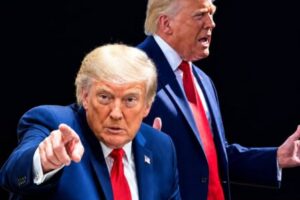

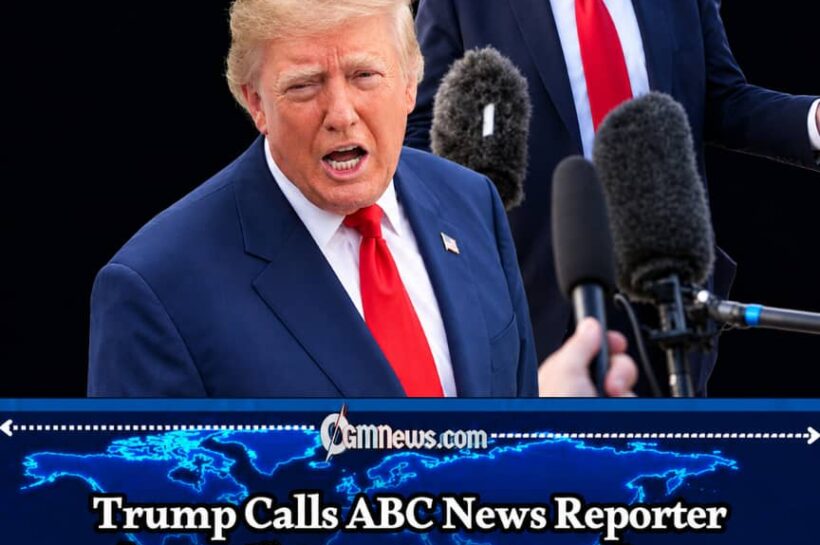





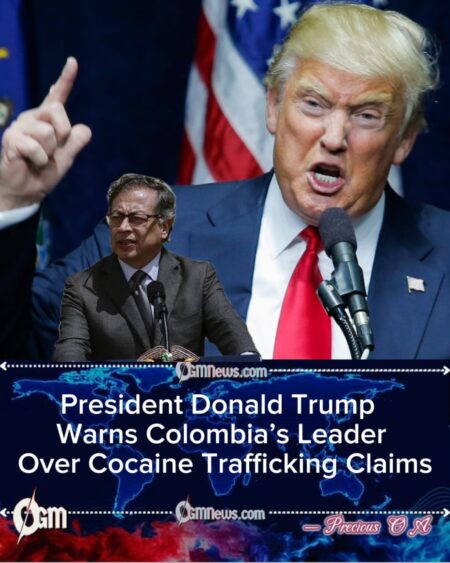
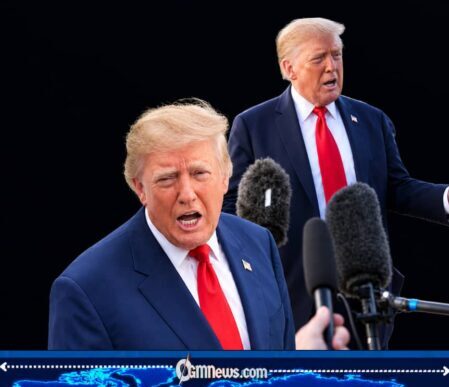
Donald Trump framed his comments as a warning rather than a threat, emphasizing that the United States expects stronger cooperation from Colombia in curbing drug production and trafficking. He argued that decades of U.S. investment in counter-narcotics programs demand tangible results, not diplomatic reassurances.
Administration officials later clarified that the president’s remarks reflected frustration with what Washington sees as stalled progress in cocaine eradication efforts. Colombia remains the world’s largest producer of cocaine, despite years of joint operations and funding.
The comments also mark a notable escalation in tone toward President Petro, whose leftist government has taken a different approach to drug policy, prioritizing rural development and negotiated crop substitution over aggressive eradication.
Trump’s Longstanding Focus on Drug Trafficking
Donald Trump has consistently treated drug trafficking as a core national security issue, often linking it to crime, immigration, and border enforcement. During his first term and now in his second, he has argued that foreign governments must take greater responsibility for stopping narcotics at their source.
In recent remarks, he pointed directly to cocaine production in Colombia as a driver of addiction and overdose deaths in American communities. The president has repeatedly said that domestic enforcement alone cannot solve the crisis.
Donald Trump has also used strong language in the past to pressure allies and partners, believing that public statements can force action where quiet diplomacy has failed.
Colombia’s Policy Shift Under Petro
Donald Trump’s warning comes amid significant changes in Colombia’s drug strategy under President Petro. The Colombian leader has criticized traditional eradication campaigns, arguing that forced crop destruction harms poor farmers while failing to dismantle trafficking networks.
Petro’s administration has reduced aerial spraying and signaled openness to revisiting aspects of the global war on drugs. These moves have been welcomed by some human rights groups but questioned by U.S. officials.
From Washington’s perspective, reduced eradication efforts risk allowing coca cultivation to expand, potentially increasing the supply of cocaine entering North American markets.
Diplomatic and Regional Reactions
Reaction from Colombian officials was measured, with government spokespeople reaffirming their commitment to cooperation with the United States while defending their policy approach. They emphasized shared responsibility in addressing drug demand as well as supply.
Donald Trump’s remarks also drew attention from neighboring countries, many of which play roles in trafficking routes and interdiction efforts. Regional governments are closely watching whether the rhetoric translates into policy changes.
Some analysts warn that public confrontations could strain one of Washington’s most important partnerships in Latin America, even as both sides share overlapping security interests.
Domestic Political Context in the United States
Donald Trump’s comments resonate strongly with his domestic political base, which broadly supports tougher stances on crime and drugs. His supporters argue that blunt language reflects seriousness and resolve rather than diplomatic friction.
Critics, however, contend that such remarks risk undermining long-term cooperation by alienating foreign partners. They argue that counter-narcotics success depends on sustained collaboration rather than public pressure.
Donald Trump has dismissed such criticism in the past, insisting that results matter more than diplomatic tone when American lives are at stake.
What Comes Next for
U.S.–Colombia Relations
Looking ahead, U.S. and Colombian officials are expected to continue discussions through diplomatic and security channels. Both governments have incentives to avoid a complete breakdown in cooperation, given shared interests in regional stability.
Donald Trump may seek to leverage funding, trade considerations, or security assistance as tools to push for stronger action against coca cultivation. His administration has previously used such mechanisms to influence foreign policy outcomes.
Donald Trump’s warning signals that drug trafficking will remain a central issue in U.S.–Latin American relations, with Colombia once again at the center of a debate that blends diplomacy, security, and domestic politics.

Logging in is a breeze and the site stability is amazing even during peak hours....