




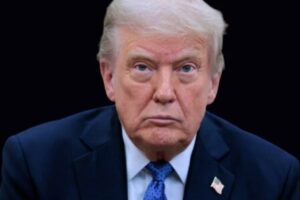






















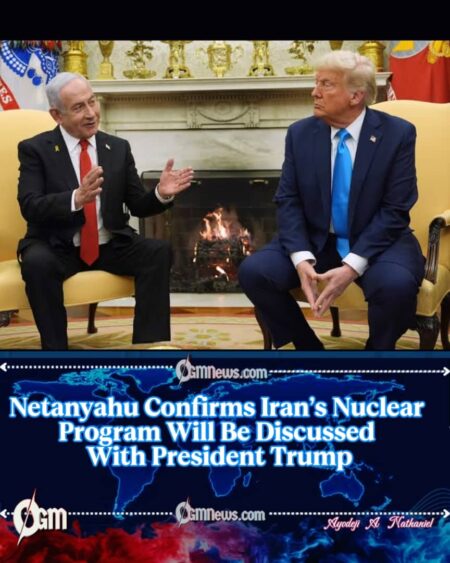
Israeli Prime Minister Benjamin Netanyahu has confirmed that Iran’s nuclear program will be a central topic in forthcoming discussions with President Donald Trump. The announcement comes amid heightened tensions in the Middle East and renewed international focus on Tehran’s nuclear activities.
The confirmation signals the importance both governments attach to coordination on Iran, particularly as concerns grow over uranium enrichment levels, missile development, and regional security implications. Officials on both sides indicate that the talks are intended to reinforce strategic alignment between Washington and Jerusalem.
Netanyahu’s Position on Iran’s Nuclear Ambitions
Netanyahu has long maintained that Iran’s nuclear program represents an existential threat to Israel. He has consistently argued that diplomatic engagement must be backed by credible deterrence to prevent Tehran from acquiring nuclear weapons capability.
In confirming the upcoming discussion, Netanyahu underscored Israel’s view that the issue extends beyond bilateral concerns and affects global security. Israeli officials believe sustained U.S. involvement is critical to shaping outcomes that limit Iran’s nuclear trajectory.
Trump Administration’s Strategic Approach
President Trump, serving a second term, has emphasized a foreign policy centered on deterrence, pressure, and preventing adversaries from threatening U.S. interests or allies. His administration has historically taken a hard line on Iran through sanctions, diplomatic isolation, and military signaling.
Any discussion with Netanyahu is expected to reflect this framework, weighing diplomatic options alongside security considerations. Administration officials have indicated that preventing nuclear proliferation in the Middle East remains a core U.S. objective.
Implications for U.S.–Israel Relations
The planned talks highlight the depth of coordination between the United States and Israel on security matters. Cooperation on intelligence, defense planning, and regional strategy has been a cornerstone of the bilateral relationship for decades.
Analysts note that visible alignment on Iran’s nuclear issue serves both governments by reinforcing deterrence while reassuring regional partners concerned about Iran’s influence and capabilities.
Regional and International Repercussions
Discussions between Netanyahu and Trump will be closely watched by regional actors and global powers. Any shift in U.S. posture could influence diplomatic calculations in Europe, the Gulf, and beyond.
Iran, meanwhile, has maintained that its nuclear program is for peaceful purposes. Nevertheless, skepticism remains widespread, and developments in U.S.–Israel coordination could shape the next phase of international engagement with Iran.
Diplomatic Pathways and Security Calculations
While military options are frequently referenced in public debate, officials stress that discussions will also encompass diplomatic and economic tools. Sanctions enforcement, international inspections, and alliance coordination are expected to feature prominently.
Observers say the challenge for both leaders will be balancing pressure with diplomacy to avoid escalation while maintaining credible deterrence. The outcome of the talks may set the tone for regional security policy in the months ahead.
A Defining Conversation Ahead
Netanyahu’s confirmation underscores the strategic weight of the upcoming discussion with President Trump. As concerns over Iran’s nuclear program persist, the meeting represents a critical moment for aligning U.S. and Israeli approaches.
The direction set by these talks could have lasting consequences for Middle East stability, non-proliferation efforts, and the broader international security environment involving Israel and Iran.


[…] […]