




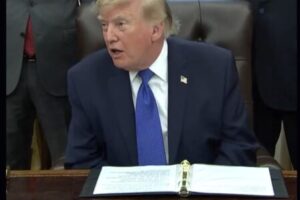



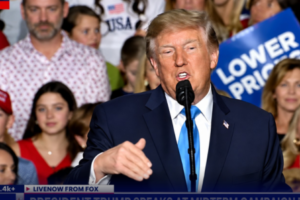



















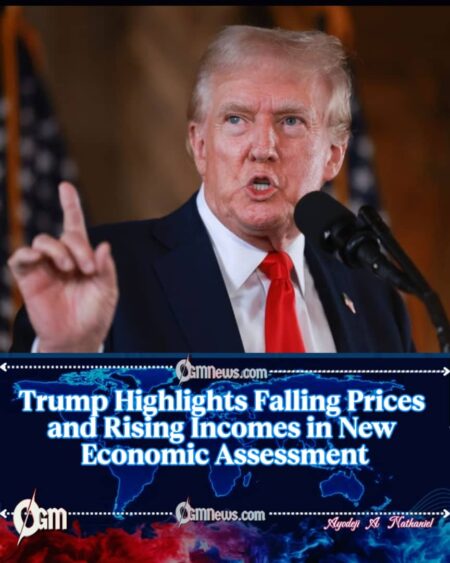
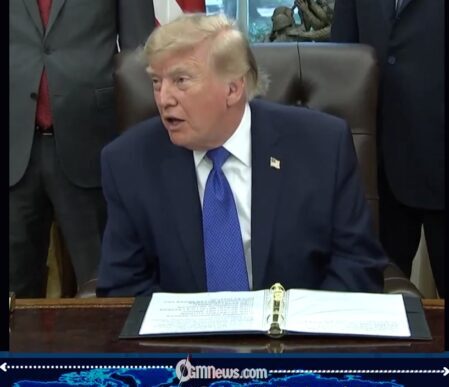
Donald Trump, serving his second term as president of the United States, has offered a broad assessment of current economic conditions, asserting that major cost pressures on households are easing while incomes and financial markets are strengthening. The remarks highlighted trends in prices, wages, and investment performance that the administration says reflect improving economic stability.
Donald Trump framed the developments as evidence that recent policies are beginning to deliver tangible results for American households, particularly in areas affecting daily expenses and long-term financial security.
Claims of Declining Consumer Costs
Donald Trump pointed to falling gas prices, moderating grocery costs, easing inflation, and lower crime rates as indicators of improving conditions. He argued that these changes are helping to reduce pressure on household budgets after a prolonged period of high living costs.
Economists note that while inflation has cooled from earlier peaks, price relief has varied across regions and income groups. Energy costs have declined in many areas, though food and housing expenses remain elevated for some consumers.
Wage Growth and Household Earnings
Donald Trump emphasized rising salaries as a key sign of economic improvement. Recent labor data show continued wage growth in several sectors, particularly those facing labor shortages.
Analysts caution that wage increases must consistently outpace inflation to translate into real gains for workers. While recent trends suggest modest improvements in purchasing power, long-term outcomes depend on productivity and labor market stability.
Stock Market Performance and Retirement Savings
Donald Trump also highlighted gains in the stock market, noting the positive impact on retirement accounts such as 401(k)s. Rising equity values have boosted household wealth for Americans with market exposure.
Market experts warn that stock performance can be volatile and influenced by global events, interest rates, and corporate earnings. Nonetheless, improved market sentiment has contributed to stronger investor confidence.
Public Safety, Confidence, and Economic Sentiment
In linking economic conditions with crime trends, the president argued that improved public safety reinforces consumer and business confidence. Crime data, however, vary widely by location, making national conclusions complex.
Surveys show that public perception of the economy often reflects personal financial circumstances as much as national indicators, underscoring the importance of sustained improvements across multiple sectors.
Expert Debate Over Long-Term Outlook
Economists remain divided over whether current trends signal a durable shift or a temporary easing. Some point to moderating inflation and steady employment as signs of a soft landing, while others warn of risks tied to interest rates, debt levels, and global uncertainty.
Policy analysts stress that ensuring broad-based benefits will require continued attention to affordability, income growth, and economic resilience.
Donald Trump indicated that the administration’s focus remains on sustaining growth while preventing a return of high inflation. Upcoming economic data releases are expected to shape debate over the durability of recent gains.
As national attention remains fixed on economic performance, the months ahead are likely to test whether current trends can be maintained amid evolving domestic and global challenges.

Ae888covenuscasino, okay, I'm curious. Gonna check out this site and try to find some amazing...