
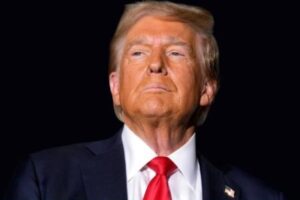




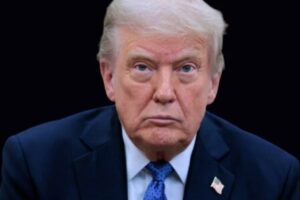


















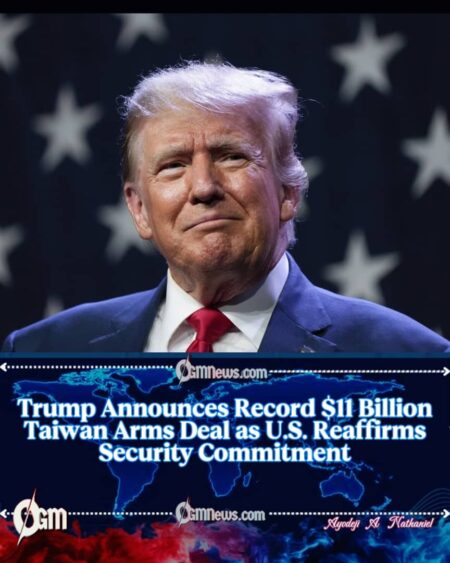
Donald Trump, serving his second term as president of the United States, has announced a record $11 billion arms package for Taiwan, reaffirming Washington’s commitment to the island’s ability to defend itself amid rising tensions in the Indo-Pacific. The decision reflects a broader security approach centered on deterrence and regional stability.
Donald Trump said the agreement underscores the United States’ responsibility to support partners facing mounting security challenges, describing the move as consistent with a “peace through strength” doctrine.
A Landmark Arms Agreement
Donald Trump described the package as the largest single arms deal approved for Taiwan, focusing on defensive capabilities designed to strengthen deterrence rather than provoke escalation. Officials said the deal includes advanced systems aimed at improving Taiwan’s resilience against potential threats.
Administration sources noted that the approval followed updated intelligence assessments and consultations with defense and foreign policy advisers, who emphasized the importance of maintaining balance in the region.
Strategic Context in the Indo-Pacific
Donald Trump placed the arms sale within a broader Indo-Pacific strategy that prioritizes stability in a region experiencing heightened geopolitical competition. Taiwan’s strategic location and economic significance make it a focal point in the U.S. security planning.
Defense analysts argue that reinforcing Taiwan’s defenses raises the cost of aggression and helps deter unilateral actions that could destabilize the regional order.
Political Reactions in the United States
Donald Trump’s announcement drew praise from several U.S. political figures, including former Vice President Mike Pence, who welcomed the renewed commitment to Taiwan’s security and democratic freedoms.
Other lawmakers called for continued diplomatic engagement alongside military support, stressing the need to manage tensions carefully while maintaining credible deterrence.
China’s Response and Regional Tensions
The decision prompted a sharp response from China, which reiterated its opposition to U.S. arms sales to Taiwan and warned that such moves could further strain bilateral relations.
U.S. officials responded by emphasizing that the sale is consistent with long-standing policy and aimed at preserving peace rather than altering the status quo.
Implications for Taiwan’s Defense
Taiwanese authorities welcomed the agreement, describing it as a critical step in strengthening air, maritime, and missile defense capabilities. The package is expected to support long-term defense planning and readiness.Security experts note that while arms sales alone cannot guarantee security, they can provide essential time and capacity in the event of a crisis
.Donald Trump indicated that U.S. support for Taiwan will continue to be guided by security assessments and broader regional considerations, while officials stressed that the deal does not change Washington’s formal diplomatic position.As tensions persist in the Indo-Pacific, the agreement highlights the ongoing challenge of balancing deterrence, diplomacy, and competition in an increasingly complex global environment.

[…] […]