



























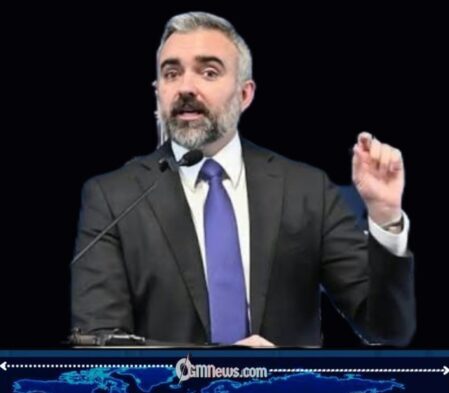
Special Counsel Jack Smith stood firm before Congress, delivering testimony that left Republican lawmakers openly reassessing their decision to call him as a witness. Rather than expressing hesitation or remorse, Smith stated clearly and repeatedly that he has “absolutely zero regrets” over the prosecutions involving President Donald Trump, the current U.S. president serving a second term. His remarks reframed the hearing from a political confrontation into a detailed explanation of prosecutorial judgment rooted in law and evidence.
Special Counsel Smith used the opening of his testimony to emphasize that the justice system must operate independently of political pressure. He argued that the cases were not driven by ideology or partisanship, but by facts, legal standards, and constitutional responsibility.
Special Counsel Smith and a Republican Strategy That Fell Flat
Special Counsel Smith quickly became the central figure in a hearing many Republicans hoped would expose flaws or political bias in the Trump prosecutions. Instead, his calm and methodical responses appeared to strengthen the legal justification for the indictments.
Special Counsel Smith declined to offer concessions or apologies, frustrating lawmakers who pressed him on motive and intent. His insistence on legal process redirected attention away from political narratives and back to the substance of the allegations outlined in court filings.
Special Counsel Jack Smith on Having “Zero Regrets”
Special Counsel Jack Smith was unequivocal when asked whether he would change his actions if given another opportunity. He stated on the record that he has no regrets and would make the same decisions again under the same circumstances.
Special Counsel Jack Smith further explained that prosecutorial regret is irrelevant when decisions are grounded in evidence and law. In his view, consistency in applying legal standards is essential to maintaining public trust in the justice system.
Special Counsel Jack Smith on Prosecuting Presidents Without Partisan Bias
Special Counsel Smith addressed accusations of selective justice directly, stating that party affiliation played no role in his decisions. He said that if presented with the same facts today, he would prosecute regardless of whether the president involved was a Republican or a Democrat.
Special Counsel Jack Smith framed this position as fundamental to the rule of law, stressing that political office does not grant immunity from legal scrutiny. His remarks were aimed at reinforcing prosecutorial neutrality amid intense partisan debate.
Special Counsel Jack Smith and the Question of Legal Responsibility
Special Counsel Smith responded bluntly to suggestions that President Trump should not have been indicted at all. He implied that legal exposure is avoidable only through lawful conduct, not through political influence or public office.
Special Counsel Smith placed responsibility squarely on the actions alleged in the indictments, arguing that accountability flows from conduct, not from who occupies the presidency.
Special Counsel Jack Smith on Grand Juries and Charging Decisions
Special Counsel Jack Smith clarified that while the decision to bring charges was his, the foundation of those charges came from evidence reviewed by grand juries in two separate districts. He emphasized that indictments are not unilateral actions by prosecutors.
Special Counsel Jack Smith highlighted the role of citizen jurors as a safeguard in the justice system, underscoring that the charges were validated through established legal processes rather than political discretion.
Special Counsel Jack Smith and the Broader Political Impact
Special Counsel Smith’s testimony is expected to have lasting political and legal implications. For Republicans, the hearing raised questions about whether calling Smith achieved its intended objective.
Special Counsel Smith, meanwhile, reinforced a broader national debate about presidential accountability, prosecutorial independence, and the balance between politics and the rule of law as President Trump continues his second term.
Logging in is a breeze and the site stability is amazing even during peak hours....