




















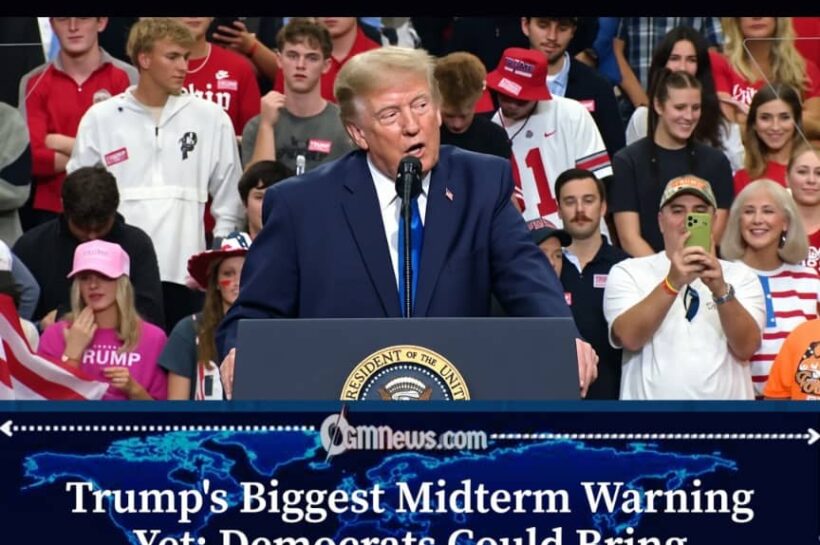


Donald Trump set the tone for public understanding of the Brown University mass shooting when early remarks suggested that a suspect had been taken into custody, a claim that was later withdrawn as authorities clarified the facts. The correction redirected national attention to the evolving nature of the investigation and the need for caution during breaking security incidents.
Donald Trump and the White House subsequently emphasized that the initial statement was based on incomplete information, underscoring how rapidly details can shift in the aftermath of violent incidents. The retraction placed renewed focus on verified law enforcement updates rather than preliminary reports.
Initial Reports and Presidential Remarks
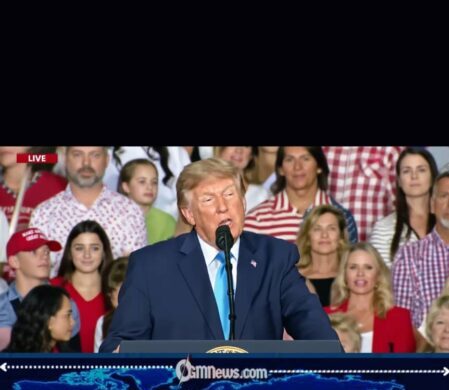
Donald Trump addressed the shooting in its early hours, stating publicly that a suspect linked to the incident near Brown University had been apprehended. The remark quickly circulated across news outlets and social media, shaping early public perception of the case.
Donald Trump made the statement before a comprehensive briefing from investigating agencies had been concluded, leaving gaps between official law enforcement findings and public commentary. Those gaps later became central to the need for clarification.
Retraction and White House Clarification
Donald Trump later revised his earlier position after receiving updated information from security agencies, confirming that no suspect was in custody at that time. The White House issued a formal clarification to correct the record.
Donald Trump was described by aides as responding to a fluid situation, with officials noting that initial intelligence had not yet been fully verified. The administration stressed that accuracy was the reason for the public retraction.
Law Enforcement Response and Investigation Status
Trump acknowledged the work of federal, state, and local law enforcement agencies who remain actively engaged in the investigation. Authorities confirmed that the search for the suspect is ongoing and that multiple leads are being assessed.
Donald Trump also echoed law enforcement appeals for public cooperation, urging anyone with credible information to contact authorities. Officials cautioned against speculation, noting that misinformation could complicate investigative efforts.
Impact on the Brown University Community
Donald Trump referenced the disruption and anxiety experienced by students, faculty, and residents around Brown University following the shooting. Campus authorities implemented enhanced security measures and adjusted academic activities in response.
Donald Trump highlighted the importance of support services, as university officials expanded counseling and safety resources. Community leaders emphasized that clarity in communication is essential to easing fear during such crises.
Political, Media, and Public Reactions
Donald Trump became central to political discussions on crisis communication, with analysts examining how presidential statements can rapidly influence national narratives. The retraction sparked debate about the balance between speed and certainty in official messaging.
Donald Trump also prompted media organizations to reassess early coverage, leading several outlets to update or amend reports. Editors reiterated the need for verification when reporting on unfolding security incidents.
Broader Implications for Crisis Communication
Donald Trump’s revised statement has renewed attention on how governments communicate during emergencies. Experts argue that withholding preliminary information until confirmation can help preserve public trust.
Donald Trump and his administration may now face internal reviews of information-sharing protocols, as analysts suggest clearer coordination with investigators could reduce confusion in future crises.
[…] […]