


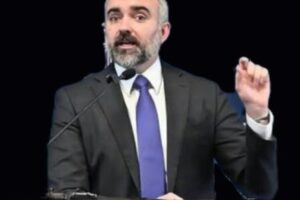
























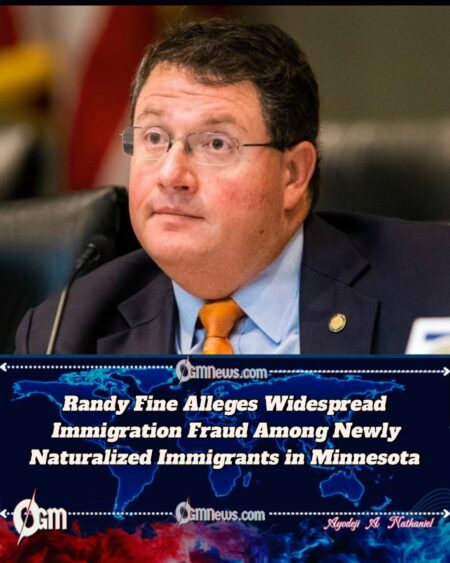
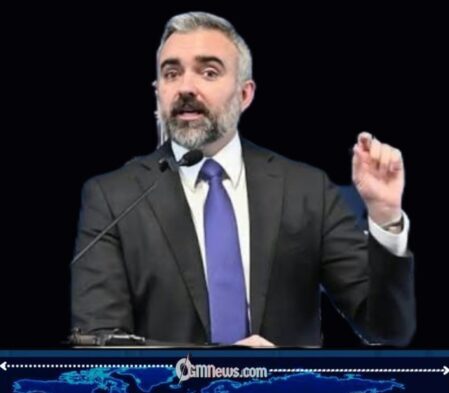
Randy Fine has ignited a national debate after asserting that a significant portion of immigrants recently granted U.S. citizenship in Minnesota engaged in immigration fraud. His remarks extend beyond undocumented migration, placing scrutiny on the integrity of legal immigration pathways and the effectiveness of federal oversight mechanisms.
The comments, delivered during a public appearance, reflect growing tensions in Washington over immigration enforcement, assimilation, and the long-term sustainability of current naturalization processes. While the allegations have not been independently verified, they have prompted renewed calls for investigation and reform.
Randy Fine’s Claim of Fraud in the Naturalization Process
Randy Fine claimed that as many as 50 percent of immigrants in Minnesota who were recently naturalized committed some form of immigration fraud, though he did not publicly provide detailed evidence to support the figure. He argued that the issue extends beyond border enforcement and into the administration of lawful immigration systems.
According to Fine, fraudulent activity may include misrepresentation during asylum or residency applications, failure to disclose prior legal issues, or exploiting administrative backlogs. Immigration experts note that such claims, if substantiated, would raise serious concerns about vetting and verification procedures.
A Broader Critique of Legal Immigration
Randy Fine emphasized that his criticism is not limited to undocumented immigrants. He argued that some legal immigrants have, in his view, taken advantage of U.S. systems while resisting cultural and civic assimilation. This framing places assimilation at the center of the policy debate, a topic that has long divided lawmakers and advocacy groups.
Critics of Fine’s remarks argue that assimilation is difficult to define and measure, warning that broad generalizations risk stigmatizing immigrant communities. Supporters counter that civic integration—such as language proficiency and respect for constitutional norms—is a reasonable expectation of citizenship.
Calls for Enforcement and Policy Action
Randy Fine concluded his remarks by calling for aggressive enforcement actions, including deportation for individuals found to have committed fraud during the immigration process. He framed this as a matter of fairness to immigrants who follow the rules and to citizens who expect the law to be enforced consistently.
Legal scholars caution that deportation of naturalized citizens requires due process and clear proof of fraud, often through lengthy court proceedings. Federal law allows denaturalization in cases of proven misrepresentation, but such actions are relatively rare and resource-intensive.
Political and Public Reaction
Randy Fine’s statements quickly drew reactions across the political spectrum. Immigration-restriction advocates praised his willingness to challenge what they see as systemic weaknesses in immigration enforcement. They argue that increased audits and reviews are necessary to maintain public confidence in the system.
Opponents accused Fine of using inflammatory rhetoric and unverified statistics, warning that such claims could fuel misinformation and social division. Several immigrant-rights organizations called for transparency and evidence, urging policymakers to rely on verified data rather than estimates.
Implications for National Immigration Policy
The controversy underscores a broader national debate over how the United States balances openness with enforcement. As President Donald Trump, the current U.S. president serving a second term, continues to emphasize stricter immigration controls, statements like Fine’s may influence legislative priorities and oversight hearings.
Whether Fine’s allegations lead to formal investigations remains uncertain. However, the remarks have already intensified discussion about fraud detection, assimilation standards, and the future direction of U.S. immigration policy.


Logging in is a breeze and the site stability is amazing even during peak hours....