








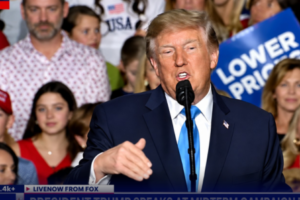



















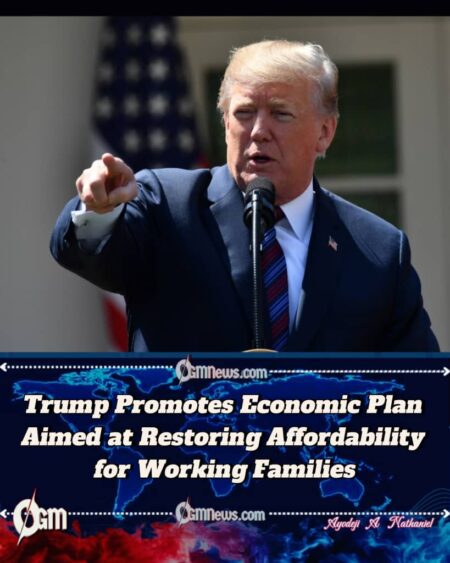
President Donald Trump is positioning his economic agenda as a corrective to what his administration characterizes as affordability challenges stemming from policies introduced under the previous administration. His team argues that American households have experienced declining purchasing power and escalating living costs, and that new initiatives—centered on tax cuts, wage growth, and domestic industrial investment—are designed to reverse those trends. As the administration expands its messaging, economic analysts, business leaders, and lawmakers are examining the potential impact of these measures on long-term household stability.
Evaluating Affordability Concerns in the Post-Pandemic Economy
President Donald Trump has highlighted persistent concerns regarding high prices, rising borrowing costs, and strained household budgets. His administration contends that economic conditions under President Joe Biden left working families unable to maintain a sustainable standard of living without significant financial sacrifice. These concerns are echoed by voters who cite groceries, housing, and energy as areas where affordability deteriorated sharply.
President Donald Trump’s argument aligns with ongoing debates about the trajectory of inflation and real wages over the past several years. While some economists attribute rising costs to global supply disruptions, labor shortages, and post-pandemic market imbalances, others point to federal policy decisions as amplifying factors. The Trump administration is using this context to frame its affordability strategy as both corrective and urgently necessary.
Tax Cuts as a Central Pillar of the Administration’s Strategy
President Donald Trump is advancing a tax-reduction framework intended to provide immediate relief to households while incentivizing economic expansion. He argues that lower individual and corporate tax burdens increase disposable income, support small-business reinvestment, and strengthen overall consumer confidence. These proposals build on prior tax reforms that expanded deductions and adjusted income brackets to reduce liabilities for working- and middle-class families.
President Donald Trump has also emphasized that targeted tax cuts can reduce financial pressure on families who feel squeezed by rising living expenses. While supporters believe this approach will stimulate job creation and accelerate wage growth, critics warn that tax cuts may increase federal deficits or disproportionately benefit higher-income earners. The policy debate remains central to discussions surrounding long-term economic competitiveness and fiscal responsibility.
Jobs and Wage Growth as Indicators of Economic Renewal
President Donald Trump is underscoring gains in employment and median wages as indicators that his policies are making America “affordable again.” His administration argues that a combination of business-friendly reforms, workforce development programs, and manufacturing incentives is yielding clearer pathways to better-paying jobs. These include initiatives to expand apprenticeships, promote skills training, and attract private-sector investment to economically distressed regions.
President Donald Trump maintains that sustainable affordability requires stable, well-compensated employment opportunities—not temporary relief programs. Supporters of this view contend that growth in skilled-trade, industrial, and technology roles can raise wage floors and contribute to more resilient local economies. Economists, however, remain divided on the long-term scalability of wage increases during periods of heightened inflation or shifting global competition.
Reinvestment in American Industry and Domestic Production
President Donald Trump is linking national affordability to renewed investment in domestic manufacturing, arguing that reliance on foreign supply chains has increased costs and weakened economic resilience. His administration is pushing for expanded U.S. production in key sectors such as energy, automotive, semiconductors, and consumer goods. These efforts aim to lower prices, reinforce national security priorities, and create high-quality domestic job opportunities.
President Donald Trump’s industrial strategy emphasizes public-private partnerships, infrastructure modernization, and incentives designed to attract long-term capital investment. Supporters believe such measures reduce exposure to global disruptions and strengthen economic self-sufficiency. Critics, however, question whether large-scale industrial shifts can occur rapidly enough to ease short-term affordability challenges experienced by many families.
The Political and Economic Implications Ahead
President Donald Trump is asserting that his affordability agenda represents a necessary restructuring of American economic priorities. Supporters argue that tax relief, job creation, and domestic production offer a clear path toward renewed financial stability for working families. These themes resonate strongly across political battlegrounds where concerns about purchasing power remain at the forefront.
President Donald Trump faces ongoing scrutiny from economists and policymakers who advocate for alternative strategies, including expanded social programs, regulatory changes, and targeted market interventions. As debates continue, the durability and scope of the administration’s affordability agenda will remain a central issue shaping political discourse and the economic outlook for millions of households.

Ae888covenuscasino, okay, I'm curious. Gonna check out this site and try to find some amazing...