

























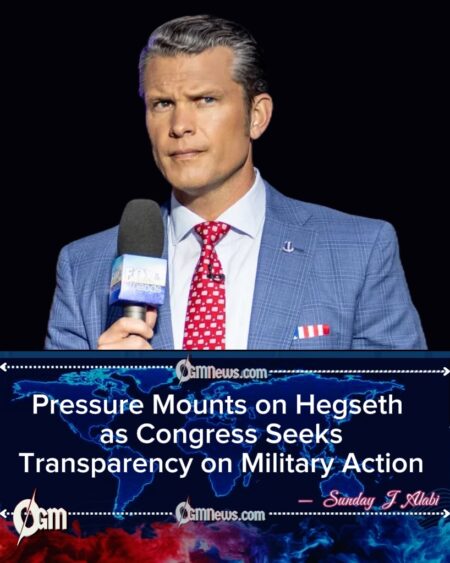
Congress is threatening Pentagon Secretary Pete Hegseth with a dramatic ultimatum over an unedited video of a September 2 U.S. military strike in the Caribbean. Legislators are moving to slash his travel budget unless he releases full footage of the operation, which has sparked accusations of misconduct and renewed scrutiny over U.S. counter-narcotics activities in the region.
The video relates to a follow-up strike allegedly ordered on two survivors after a U.S. attack on an alleged Venezuelan “narco-terrorist” vessel. While Pentagon officials insist the action targeted drug-trafficking threats, Democratic lawmakers are demanding transparency as Republicans defend the military rationale.
The final Pentagon funding bill, released on Sunday, places release of the footage as a condition for maintaining Hegseth’s full access to official travel resources, marking a striking escalation in congressional oversight.
Congressional Pressure Intensifies
Lawmakers inserted a specific clause into the Pentagon’s annual funding bill mandating that Hegseth provide unedited footage of strikes conducted under the U.S. Southern Command. The measure directly ties his travel budget to compliance, cutting it by 25 percent if the video remains classified.
Members of both chambers have pushed for the footage after a limited screening left key questions unanswered. Democrats argue the edited version conceals potentially unlawful conduct, while some Republicans say the briefings confirm the legitimacy of the strike.
The Pentagon is also required to submit a report on lessons learned from the Ukraine-Russia war before Hegseth’s full travel expenses can be restored, further expanding the conditions attached to military spending.
Hegseth’s Position and Internal Defense
Hegseth has stated that he did not watch the full operation live but continues to defend the decisions made by Admiral Frank Bradley, who ordered the follow-up strike. Bradley briefed lawmakers in person, showing a clip that, according to Democratic members, raised additional concerns.
While acknowledging he was not monitoring the strike in real time, Hegseth maintains that U.S. forces acted within mission parameters aimed at stopping narcotics trafficking into American territory. He argues that every interdicted vessel prevents drugs from entering the U.S., which he claims saves “thousands of American lives.”
Asked about releasing the complete video, Hegseth has been publicly noncommittal, repeatedly stating that the Pentagon is “reviewing” the matter.
Political Divides Over Accountability
The footage request has divided Congress along sharply different interpretations of the strike. Democratic Senator Ed Markey has gone further than most critics, describing Hegseth as a “war criminal” and demanding his immediate removal. His remarks underscore the level of suspicion among some lawmakers about the legality of the operation.
Republicans, however, say the limited video shown to select members demonstrates that U.S. forces acted appropriately. They argue that releasing highly sensitive operational footage may compromise future counter-narcotics missions and should be handled cautiously.
Despite partisan disagreements, the legislation received enough bipartisan support to advance, suggesting broad interest in strengthening congressional oversight of covert operations.
President Trump Signals Mixed Position
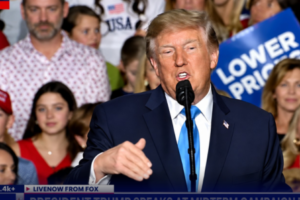
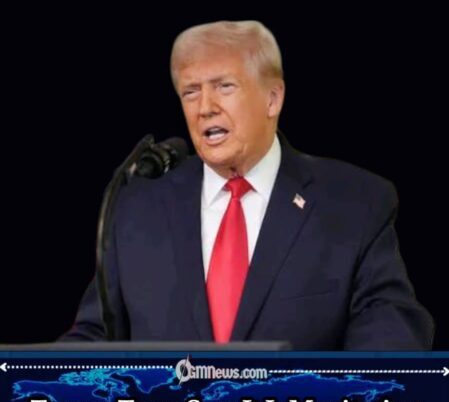
President Donald Trump, the current U.S. president serving a second term, initially expressed openness to releasing the video when pressed by reporters last week, saying he had “no problem” with transparency.
However, the president softened his stance on Monday, indicating he would defer to Hegseth and Pentagon officials regarding what information should be disclosed. “Whatever Hegseth decides is ok with me,” he told reporters, signaling a willingness to allow the Pentagon to determine the level of release.
This shift reflects the administration’s ongoing attempt to balance accountability with national security considerations amid rising global tensions and continued U.S. military activity overseas.
Context of Caribbean Operations
The September 2 strike forms part of an ongoing U.S. military campaign targeting drug-related maritime operations. According to Pentagon statements, more than 20 missions have been conducted in the Caribbean, resulting in at least 80 deaths linked to alleged “narco-terrorist” activity.
Supporters of the program argue it plays a critical role in disrupting organized criminal networks believed to be linked to overseas militant groups. Critics contend that limited transparency and civilian-casualty concerns warrant deeper scrutiny.
As calls for accountability increase, the controversy has broadened beyond a single strike to a wider debate about U.S. counter-narcotics strategy and lethal force standards under international law.
Next Steps in Congress
The funding bill is expected to pass both the House and Senate this week, formally placing the ultimatum into law. Once enacted, Hegseth will face direct budgetary consequences if the Pentagon declines to provide the required footage and reporting.
Lawmakers from both parties acknowledge that this mechanism reflects heightened dissatisfaction with the Pentagon’s handling of classified operations. The dispute ultimately underscores Congress’s intent to exercise greater authority over targeted military actions authorized under counter-terror policy frameworks.
Whether or not the unedited video becomes public remains uncertain, but congressional insistence suggests the matter will remain prominent in the coming weeks.
Casinoabc999? Good Site. The interface is sleek, and there is a lot of stuff to...