




















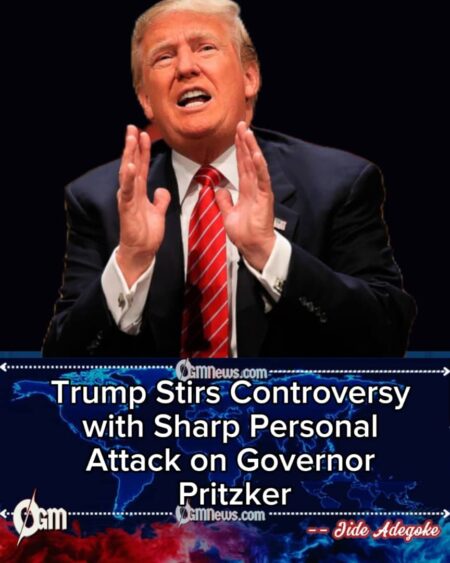
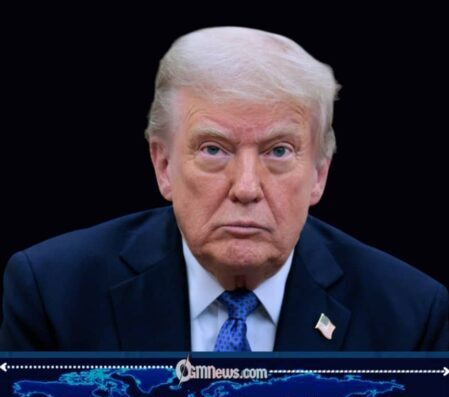
In a new flashpoint in American political discourse, U.S. President Donald Trump, now serving his second term, referred to Illinois Governor JB Pritzker as “a fat slob” during a public appearance, while framing the remark as something he “refuses” to talk about. The exchange has reignited conversations about civility, leadership tone, and the broader implications of personal insults in American politics. Trump’s comments quickly drew national attention, eliciting reactions from both supporters and critics as tensions continue to escalate in an already polarized climate.
Trump’s Remarks Spark Immediate Controversy
President Trump’s characterization of Governor Pritzker came during a riff in which he claimed he avoids commenting on people’s weight—before proceeding to make the remark. The contradictory phrasing drew widespread criticism, with observers describing the moment as reflective of Trump’s long-standing rhetorical style.
Political analysts say the statement fits within a pattern of personal attacks Trump has levied against political rivals, journalists, and public figures throughout his political career. While his supporters often interpret such remarks as humor or blunt authenticity, critics argue they diminish the dignity of the presidential office.
Governor Pritzker Responds with Calls for Decency
Illinois Governor JB Pritzker has not shied away from confronting the president’s statements. In previous exchanges with Trump, Pritzker has emphasized policy differences while urging a return to respectful political dialogue. Although his immediate response to the latest insult was measured, aides close to the governor suggested that Pritzker views such commentary as unproductive and harmful to American political culture.
Observers note that Pritzker has frequently positioned himself as a vocal counterweight to Trump’s governing style, particularly on issues involving federal-state relations, COVID-era governance, and election integrity. The latest verbal attack is expected to intensify their ongoing political rivalry.
Political Analysts Warn of Escalating Toxic Rhetoric
Political communication experts warn that Trump’s remarks risk further normalizing personal attacks in mainstream political debate. Several analysts argue that the president’s use of schoolyard-style insults—rare for previous administrations—could influence public behavior, particularly as highly charged political climates tend to shift societal norms.
According to experts, such statements undermine the seriousness of political discourse and may distract from substantive issues such as economic policy, healthcare debates, and legislative priorities. Many warn that the U.S. political environment is entering a period where personality clashes dominate policy conversations.
Impact on Public Perception and Party Messaging
The president’s remark has triggered mixed reactions among voters. Trump’s supporters often embrace his off-the-cuff style as refreshing and reflective of a leader unburdened by political correctness. They argue his authenticity is part of his appeal and has been a foundation of his political brand.
Conversely, Democrats and moderate Republicans worry the rhetoric could alienate key voter blocs and deepen partisan divisions. Some strategists believe such comments may hinder efforts to reach undecided Americans who prefer issue-driven dialogue over personal insults. Party messaging on both sides is expected to intensify as the fallout from the remark continues.
Historical Context: Trump and the Politics of the Personal Attack
This is not the first time the president has used derisive language toward political opponents. Trump’s rhetorical style has included jabs at lawmakers, governors, and even foreign leaders. Supporters see these as strategic political tools, while detractors view them as unbecoming of a head of state.
Historians note that while political insults are not new, Trump’s consistent use of them as a hallmark governing approach is distinct. As the 24-hour media environment amplifies such moments, each remark shapes not only headlines but also the broader narrative of American political identity.
Looking Ahead: A Continuing Clash Between Two High-Profile Leaders
With multiple national issues in flux—from economic challenges to ongoing political investigations—the tension between the White House and Illinois leadership is likely to persist. Analysts anticipate that Trump and Pritzker will continue to clash publicly, particularly as both remain prominent figures with contrasting visions for American governance.
The latest exchange underscores a growing trend: the personalization of politics is becoming as central to national debate as policy itself. Whether this benefits or harms either leader politically remains to be seen.
[…] […]