
























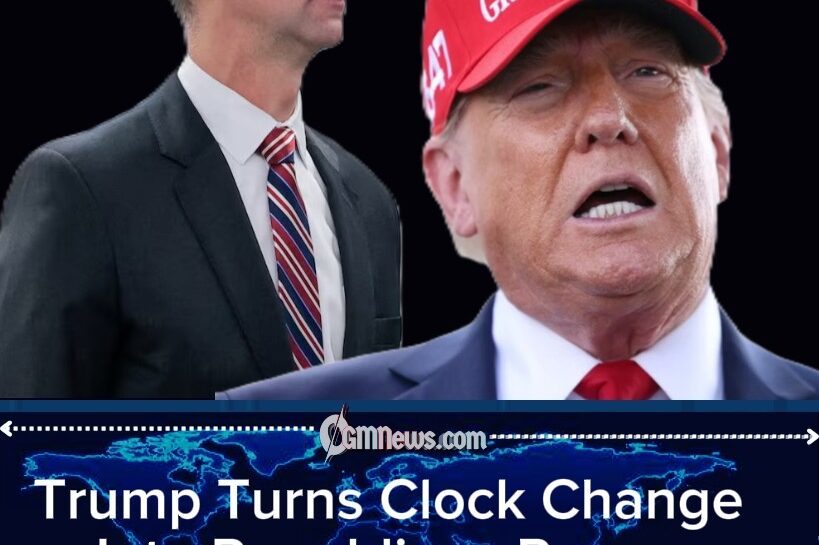



Both parties trade harsh labels as America’s political rhetoric reaches another flashpoint, triggered by dueling criticisms from veteran advocate Paul Rieckhoff and conservative commentator Ben Ferguson. Their remarks—sparked by the current U.S. president serving a second term referring to a woman with a derogatory term and calling a Navy veteran “a traitor,” followed by reminders that Democrats, including the sitting vice president, used Nazi comparisons—illustrate the widening gulf in political communication. The episode has reignited debate about how hardened language from top officials is shaping the nation’s political climate.
Paul Rieckhoff: Warning Against Reckless Presidential Language
Both parties trade harsh labels as Rieckhoff warns that the president’s comments represent more than spontaneous frustration—they signal a pattern of language that could degrade national discourse. Rieckhoff, widely respected in veterans’ advocacy circles, argued that dismissive phrasing aimed at a woman in one instance and a Navy veteran in another risks undermining trust in the office of the presidency.
Both parties trade harsh labels as Rieckhoff stresses that words from the commander-in-chief carry diplomatic and moral weight. He insisted that the president must choose language “carefully and precisely,” noting that public confidence depends not just on decisions but on communication that respects individuals and institutions.
Paul Rieckhoff: Political Consequences of Sharp Presidential Remarks
Both parties trade harsh labels as Rieckhoff suggested that rhetoric from the Oval Office reverberates across military communities and the public at large. He emphasized that calling a former astronaut and Navy veteran a “traitor” has implications far beyond political rivalry.
Both parties trade harsh labels as Rieckhoff added that such remarks can unintentionally signal disrespect toward years of military service, weakening the symbolic bond between civilian leadership and the armed forces. Analysts note that in an environment already marked by polarization, even a single charged word can reshape political narratives for months.
Ben Ferguson: Democrats Have Used Similar or Worse Rhetoric
Both parties trade harsh labels as Ferguson pushed back forcefully, arguing the criticism of the president reflects selective outrage. He noted that prominent Democrats used the term “Nazi” to describe the president, a comparison he described as historically reckless and politically corrosive.
Both parties trade harsh labels as Ferguson framed the matter as evidence that both conservatives and liberals escalate rhetoric when politically advantageous. He argued that the intensity of Democratic attacks legitimized harsher language across the political spectrum, making it unrealistic to isolate blame on one side.
Ben Ferguson: A Cycle of Retaliatory Rhetoric
Both parties trade harsh labels as Ferguson highlighted what he sees as a rising “politics of moral condemnation,” where opponents brand each other with extreme characterizations rather than debate policy. He claimed Democrats normalized the pattern by introducing language historically associated with regimes responsible for mass atrocities.
Both parties trade harsh labels as Ferguson warned that the more political opponents reach for labels like “Nazi,” “traitor,” or other stigmatizing terms, the more the public becomes desensitized. Analysts agree that this cycle—each side justifying its language as a reaction to the other—has become one of the defining features of contemporary American politics.
Abby Phillip: The Vice President’s Remarks Illustrate Bipartisan Escalation
Both parties trade harsh labels as Phillip pointed out that the sitting vice president once used the same inflammatory Nazi comparison referenced by Ferguson. Her observation underscored that the rhetorical arms race is not confined to commentators but extends to the highest levels of government.
Both parties trade harsh labels as Phillip noted that the bipartisan use of extreme language reflects a larger dynamic: once a term enters mainstream political conversation, it spreads rapidly across parties, media outlets, and voter communities, deepening division and eroding trust in government messaging.
Analysts: Political Discourse Is Suffering Structural Damage
Both parties trade harsh labels as analysts warn that America’s political institutions are increasingly strained by communication that prioritizes outrage over substance. Scholars say that the normalization of personal attacks diminishes the incentive to cooperate across party lines.
Both parties trade harsh labels as experts argue that this escalation distracts from governance, pushing nuanced policy discussions into the background. As rhetoric grows sharper, public debate becomes more reactive, more emotional, and less grounded in shared civic values.
What Comes Next in a Climate of Mutual Hostility
Both parties trade harsh labels as strategists predict that election-season pressures may intensify the language war before any meaningful reset occurs. With both sides accusing the other of fueling hostile political culture, neither appears poised to unilaterally soften its tone.
Both parties trade harsh labels as commentators suggest the only sustainable solution is leadership-driven recalibration—an intentional choice by elected officials to prioritize clarity and respect over partisanship. Whether such restraint emerges remains uncertain in a political environment defined by conflict, speed, and visibility.
[…] […]