








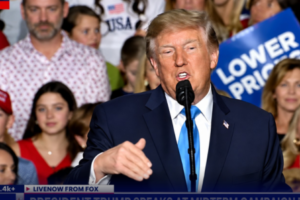



















Political commentator Joe Gallina has sharply criticized U.S. President Donald Trump, who is serving his second term, after the president dismissed a direct question from ABC News’ senior White House correspondent Mary Bruce as “fake news.” Gallina’s remarks, delivered in a blunt and unsparing tone, underscored what he described as the widening gap between presidential accountability and basic press freedoms in the United States.
Gallina argued that labeling a reporter’s inquiry as “fake news” undermines the public’s right to transparent information, calling Trump’s reflexive response an avoidance tactic rather than a substantive engagement. The exchange has reignited long-standing concerns about the administration’s confrontational approach toward the press.
Joe Gallina Condemns Trump’s Media Hostility
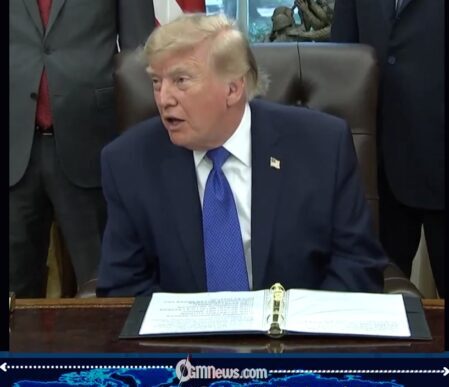
Joe Gallina criticized the president’s decision to dismiss ABC’s Mary Bruce as “fake news” the moment she began questioning him during a press availability. According to Gallina, Bruce’s inquiry constituted routine journalism — a standard attempt to obtain clarity on a policy position — and not a form of political antagonism. He emphasized that questions from the press are foundational to democratic oversight, not partisan attacks.
Attacking ABC reporter Mary Bruce:
Gallina went further, asserting that the president’s rhetoric erodes trust in independent journalism. He argued that describing basic inquiry as “fake” fosters a hostile public attitude toward reporters who are fulfilling a constitutional role. Gallina noted that presidents historically have faced rigorous questioning, yet engaged or clarified rather than delegitimized the institution of the press itself.
Joe Gallina Calls for Renewed Respect for Press Accountability
In addressing the broader implications of the exchange, Gallina said the president’s approach demonstrates an unwillingness to answer direct questions on policy matters central to public interest. He emphasized that when the nation’s leader refuses to treat journalists’ questions as legitimate, citizens are denied meaningful access to information that affects governance, security, and daily life.
Gallina urged renewed commitment to transparency and open dialogue, noting that robust questioning is not a threat but a safeguard. He argued that the White House should welcome scrutiny as a means of reinforcing public trust. The clash with Bruce, he asserted, underscores the need for clear standards of communication between the press corps and the administration—standards that prioritize accuracy, accountability, and mutual respect.
Casinoabc999? Good Site. The interface is sleek, and there is a lot of stuff to...