








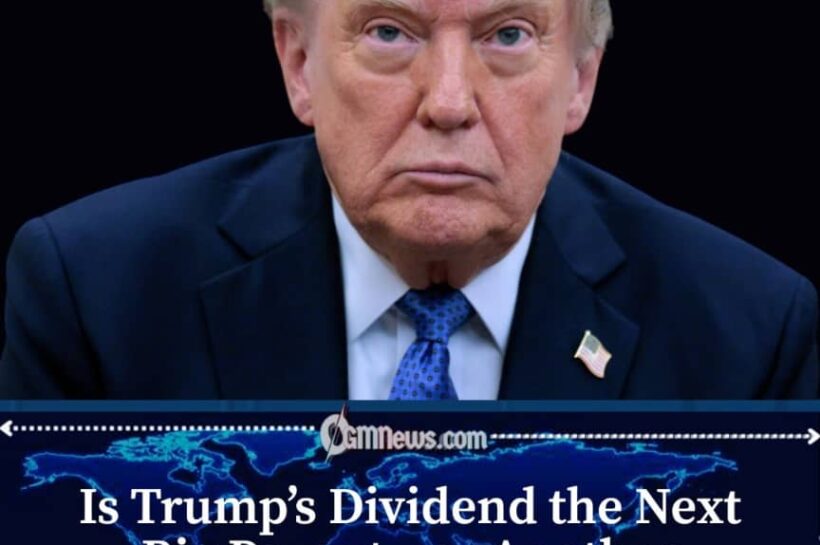

















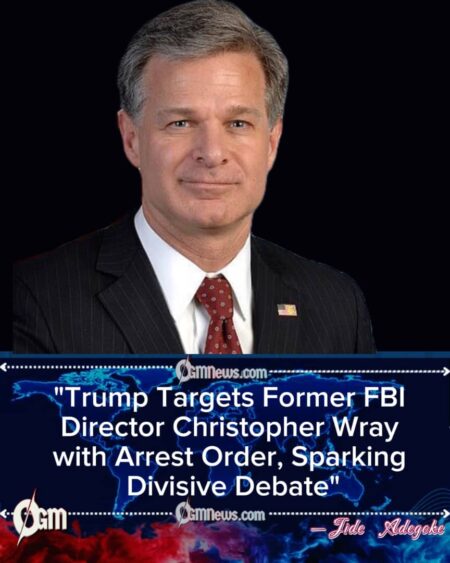
In an unprecedented move, U.S. President Donald Trump has instructed Attorney General Pam Bondi to initiate the arrest of former FBI Director Christopher Wray. This latest development follows Wray’s dismissal by Trump earlier this year, when he was replaced by Kash Patel. The call for Wray’s arrest has sparked intense debate, with critics questioning the legality and political motivations behind the decision.
Donald Trump’s Directive: A Shock to the Nation
Donald Trump, the current U.S. president serving his second term, has long had a tumultuous relationship with the FBI. His latest directive marks a sharp escalation in this strained dynamic. Sources close to the White House indicate that Trump’s anger towards Wray stemmed from disagreements over the handling of key investigations during Wray’s tenure, including the probe into Russian interference in the 2016 presidential election.
While Wray’s removal from office earlier this year was seen as part of a broader reshuffling of key officials in the administration, the call for his arrest has left many questioning whether this is a political vendetta or a legitimate legal matter. Trump has often expressed frustration with the FBI, accusing the agency of bias and undermining his presidency.
Attorney General Pam Bondi has been tasked with carrying out Trump’s directive, a move that is expected to deepen the rift between the White House and federal law enforcement agencies. Bondi, known for her staunch support of Trump’s policies, has vowed to act swiftly and decisively, although legal experts have raised concerns over the lack of clarity regarding the charges that could be brought against Wray.
The Fallout from Wray’s Dismissal
Donald Trump has maintained a firm stance against Wray, who was initially appointed as FBI Director by Trump himself in 2017. However, over time, the relationship soured, particularly when Wray refused to publicly clear Trump of any wrongdoing related to the FBI’s investigations. Trump’s repeated public criticisms of Wray intensified following the former director’s refusal to support the president’s unsubstantiated claims of election fraud during the 2020 presidential election.
After firing Wray, Trump replaced him with Kash Patel, a loyal ally who served in various roles within the administration, including as a counterterrorism official. Trump’s decision to replace Wray was widely seen as a move to install someone more aligned with his views, particularly on issues such as the investigation into the origins of the Russia probe.
Attorney General Pam Bondi now finds herself at the center of a legal storm, as she is tasked with overseeing the investigation and potential arrest of Wray. The move has raised concerns about the politicization of the Department of Justice, with many critics accusing Trump of attempting to use the justice system to settle personal scores.
Legal and Constitutional Implications of the Arrest
The arrest of a former high-ranking government official, particularly one as prominent as Christopher Wray, carries significant legal and constitutional ramifications. Donald Trump’s call for Wray’s arrest raises critical questions about the role of the Department of Justice (DOJ) in upholding the rule of law and protecting the independence of federal agencies.
Legal experts are divided on the matter. Some argue that Donald Trump’s directive is an overreach of presidential power, while others believe it could be an indication of a more aggressive stance on accountability for individuals seen as enemies of the administration. The process of arresting a former FBI director—an individual who holds significant influence within U.S. law enforcement—will require careful legal navigation and adherence to due process.
Attorney General Pam Bondi has assured the public that the DOJ will proceed with caution, but many remain concerned that the move could set a dangerous precedent for future administrations. Critics argue that such actions risk undermining public trust in the justice system, particularly when political considerations appear to be driving legal decisions.
Political Repercussions and Public Opinion
Public reaction to Trump’s directive has been mixed, with strong divisions along party lines. Donald Trump, ever the divisive figure, has garnered significant support from his base, who see Wray’s removal and the potential arrest as a long-overdue reckoning with the so-called “deep state.” However, Democrats and critics of Trump’s administration have expressed alarm, calling the move an abuse of power.
A recent poll shows that a majority of Republicans support Donald Trump’s actions, viewing Wray as a figure who betrayed the president’s trust. In contrast, most Democrats view the directive as an example of Trump’s willingness to use government power for personal gain.
Attorney General Pam Bondi’s reputation is also on the line. Her handling of the situation will likely have a lasting impact on her political career, with some pundits suggesting that Bondi may be positioning herself for higher office. However, her unwavering loyalty to Trump could make her a polarizing figure in the legal and political arenas.
The Future of U.S. Law Enforcement and Accountability
The call for Christopher Wray’s arrest comes at a time of heightened tension between law enforcement agencies and the political establishment. Donald Trump’s actions raise questions about the future of the FBI and other federal agencies, particularly when it comes to their autonomy from political interference.
The arrest of a former FBI director could have a chilling effect on future law enforcement leadership, discouraging individuals from accepting positions in government if they fear retribution for not aligning with the political whims of the president.
Attorney General Pam Bondi has emphasized that any legal actions taken will be based on facts, but the broader implications of the case are likely to reverberate across the political spectrum. As the investigation progresses, the public will continue to watch closely, waiting to see whether the Trump administration will be successful in its pursuit of accountability—or whether this will be viewed as yet another chapter in the ongoing political warfare between the White House and federal institutions.

[…] […]