




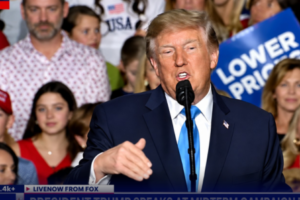

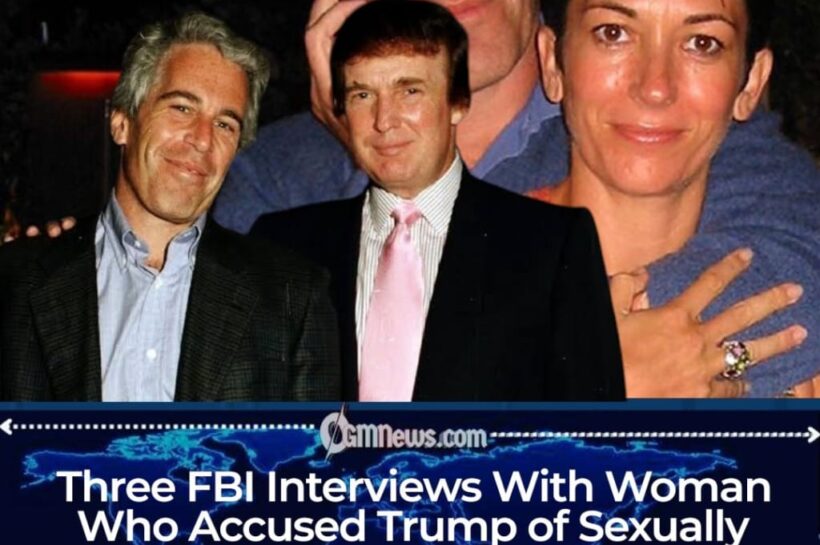

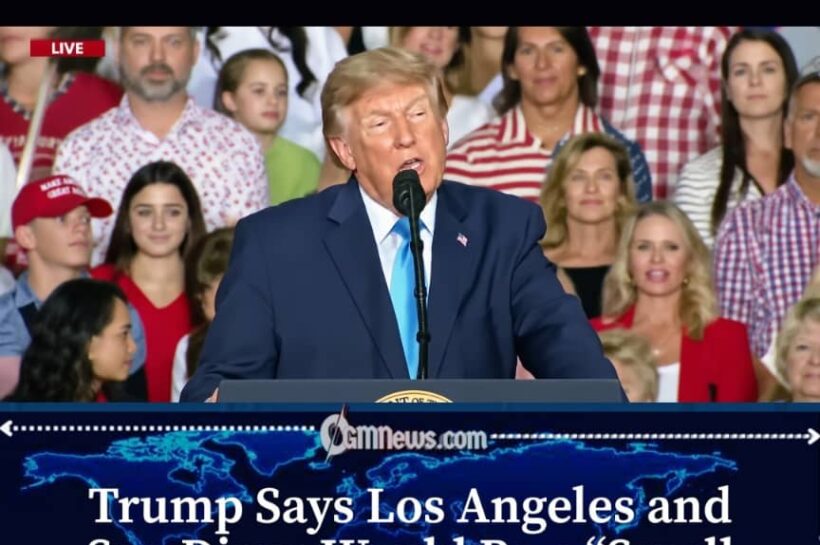




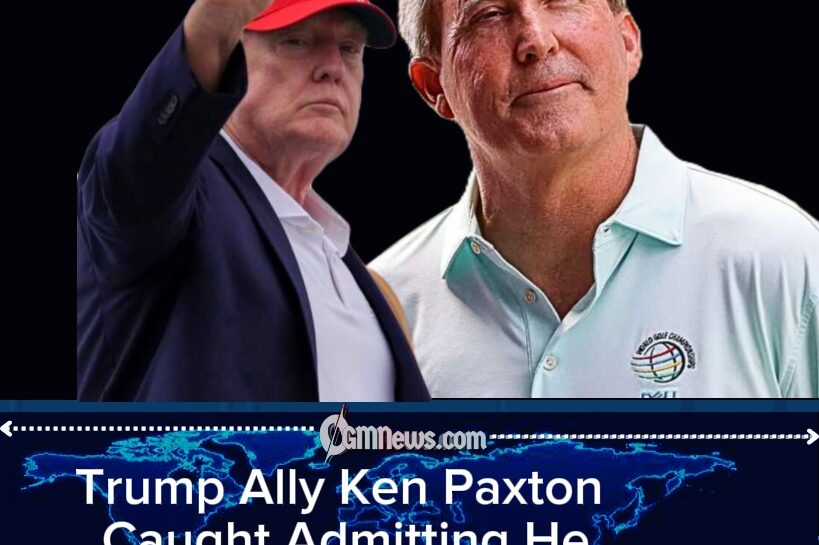
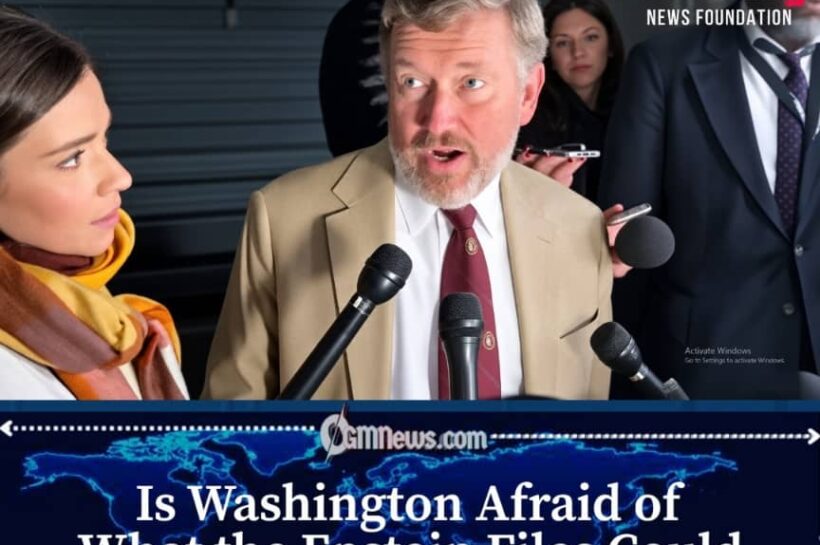






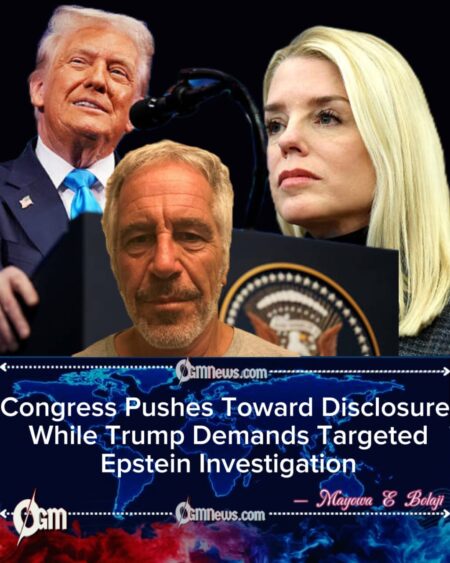
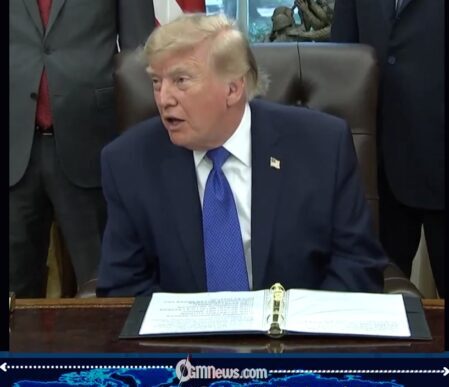
President Donald Trump, now serving his second term, has asked Attorney General Pam Bondi and the Department of Justice to investigate several prominent Democratic figures for what he described as their “involvement and relationship” with the late financier Jeffrey Epstein. The call for a probe was announced in a Truth Social post in which the president accused political opponents of using the ongoing Epstein document controversy to “deflect” from what he characterized as Democratic failures, including the recent government shutdown.
Donald Trump’s statement comes as Congress continues deliberations over the release of Epstein-related documents, a development that has renewed public interest in the case and prompted political debate over how much information should be made public.
Donald Trump Issues Directives to Attorney General Pam Bondi
President Donald Trump’s message requested that Attorney General Pam Bondi, alongside the DOJ and FBI, “investigate Jeffrey Epstein’s involvement and relationship” with several individuals and institutions, listing former President Bill Clinton, former Treasury Secretary Larry Summers, businessman Reid Hoffman, and J.P. Morgan Chase among them. Trump framed the request as a matter of public transparency, alleging that the individuals named had “spent large portions of their life with Epstein.”
In the post, the president also referred to the controversy as “another Russia, Russia, Russia scam,” accusing Democrats of attempting to weaponize the Epstein files for partisan gain. The White House has not yet issued further clarification on the scope or legal basis of the proposed investigation.
Democratic Response and Calls for Full Disclosure
Democratic lawmakers responded by reiterating their longstanding position that any Epstein associates—regardless of political affiliation—should face legal accountability if evidence of wrongdoing emerges. Several Democratic leaders have emphasized that transparency, not political advantage, should guide the process as congressional committees move toward document releases.
Some Democrats have argued that focusing the investigation solely on Epstein’s connections to Democrats risks misrepresenting the breadth of his social and professional network, which included figures across political and economic sectors. They contend that a complete release of files would provide a more accurate and nonpartisan understanding of Epstein’s relationships.
Epstein Documents and Public Allegations Resurface
Recent public discourse has drawn attention to emails and other documents tied to Epstein, though not all materials have been independently authenticated. Some of the referenced correspondence includes claims from Epstein criticizing President Donald Trump and suggesting awareness of his conduct. One email cited in public discussions contains Epstein’s remark that he had “met some very bad people—none as bad as Trump,” and other communications appear to reference extensive time spent at Epstein’s residence.
None of the material has yet been fully evaluated through a formal investigative process, and the DOJ has not confirmed which documents, if any, will form part of its review. Legal experts caution that the interpretation of Epstein’s correspondence requires careful examination to avoid mischaracterization.
Congress Advances Toward Releasing Epstein Records
Congressional committees have continued moving toward greater public disclosure of Epstein-related files, citing both bipartisan interest and strong demands from the public—including some Republican voters. Lawmakers argue that releasing comprehensive documentation could clarify longstanding questions about Epstein’s connections, while also limiting opportunities for politicized speculation.
The timeline for release remains uncertain, though committee leaders have indicated that the review process is accelerating. Members from both parties say a complete release is likely to reduce misinformation and restore confidence in federal transparency.
Political Impact and Broader Implications
Analysts suggest that the president’s directive to investigate Democrats may reflect heightened political pressure as the Epstein files draw increased national attention. While Donald Trump maintains that the controversy is being used against him for partisan purposes, critics argue that selective investigation could further polarize public discussion surrounding the case.
The long-term political effects remain unclear, but observers note that the unfolding situation could influence upcoming electoral strategies and intensify scrutiny of high-profile officials across both parties. As the investigation progresses, the administration may face further questions about the neutrality and scope of its approach.
Casinoabc999? Good Site. The interface is sleek, and there is a lot of stuff to...