
























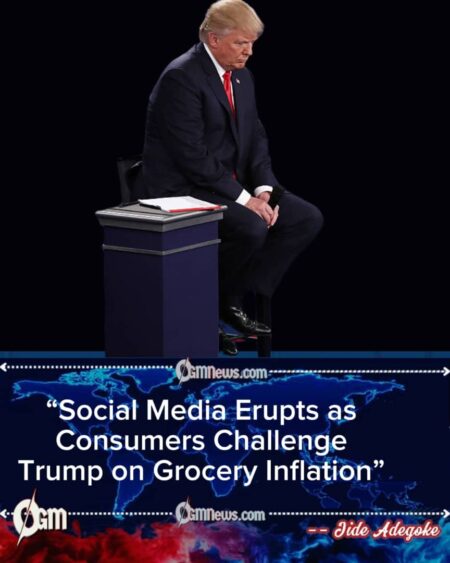
President Donald Trump, now serving his second term in office, faces a growing wave of public scrutiny as American shoppers share real grocery receipts that contradict his repeated claims that food prices are declining. Across the country, citizens are posting evidence of rising costs—often accompanied by the phrase “Always keep your receipts”—intensifying the debate over how accurately the administration is portraying the state of the economy.
Donald Trump’s Economic Message Meets Public Pushback
PresidentDonald Trump has consistently asserted that his economic policies are driving down the cost of essential goods, including groceries. His recent remarks emphasized that food prices were “coming down faster than people think,” framing the trend as a direct result of his administration’s actions.
However, many shoppers say their personal receipts tell a different story. Images shared online show higher totals for everyday items such as bread, meat, and produce. The growing archive of receipts suggests that despite the White House message, consumers are not experiencing the relief President Trump has described.
White House Defends Position as Evidence Mounts
The Trump administration has defended its economic reporting, pointing to selective wholesale data that shows declines in certain categories. Officials maintain that positive shifts in supply and trade conditions will “soon be reflected on store shelves nationwide.”
Yet economists note that the available national data remains mixed, and they caution that President Trump’s statements may overstate the pace of improvement. Analysts say the administration risks appearing disconnected from the lived experiences of millions of Americans who continue to face elevated grocery bills.
Social Media Fuels a Growing Challenge to Donald Trump’s Claims
The surge of receipts shared online has created a grassroots fact-checking movement centered around President Trump’s grocery price narrative. Posts criticizing the administration’s statements have gone viral, generating strong engagement and prompting public discussions about economic transparency.
For many Americans, the contrast between Trump’s assertions and their own receipts has become a rallying point. Hashtags calling out discrepancies and urging citizens to document their spending have turned social platforms into a collective accountability tool.
Industry Leaders Clarify Why Prices Remain High
Grocery retailers and supply chain experts emphasize that price reductions at the wholesale level—often cited by President Trump—do not immediately translate into lower consumer prices. They point to transportation costs, wage pressures, and supply instability as factors keeping retail prices elevated.
Retail analysts add that while the administration’s long-term projections may eventually materialize, current conditions make it unlikely that consumers will see significant price drops in the near term. This disconnect has contributed to rising skepticism toward Trump’s economic messaging.
Economic Realities Clash With Trump’s Public Statements
Recent inflation reports show a complex picture: some food categories have seen slight decreases, but many others remain high. President Trump has highlighted the modest declines, framing them as evidence that his policies are working.
However, economists argue that averages do not reflect the regional disparities many families face. For shoppers in high-cost states, receipts show little alignment with the President’s declarations of improving affordability.
Calls for Clarity Put Pressure on the Administration
As more Americans post receipts contradicting the narrative from President Trump, calls for clearer communication from federal agencies continue to build. Consumer groups argue that acknowledging the challenges shoppers face is essential for maintaining public trust.
Lawmakers from both parties have begun to take note of the widening gap between Trump’s statements and consumer experiences. Whether the administration adjusts its messaging—or whether it continues to insist prices are falling—remains to be seen.

[…] […]