
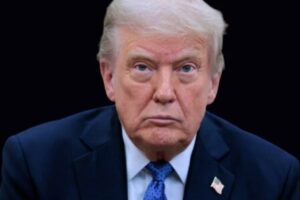


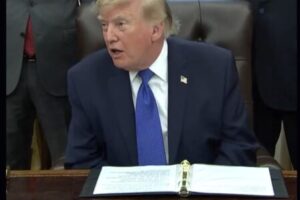














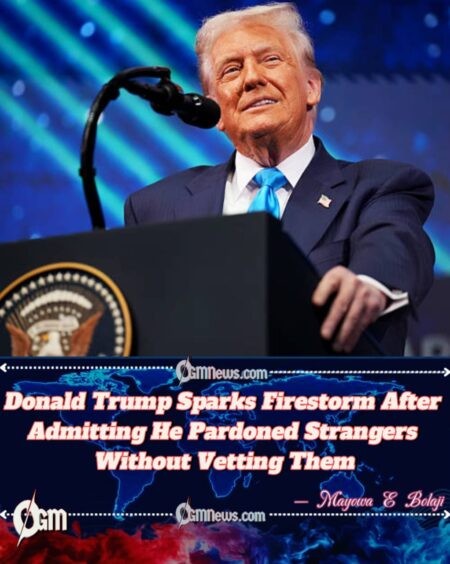
Donald Trump shocked both supporters and critics this week when he openly admitted that he does not personally know — or even remember — many of the individuals he pardoned during his presidency. Speaking in an unscripted moment during a radio interview, Donald Trump said, “Some of those people, I didn’t really know them. My team brought them up, and we signed the papers — that’s how it works.” The confession sent shockwaves through political and legal circles, reigniting debates over how the pardon power was used — and possibly abused — under his administration.
During his time in office, Donald Trump issued more than 230 pardons and commutations, many of which were controversial. Several recipients were high-profile political allies or convicted felons with close ties to the Trump orbit. Critics have long accused him of turning the presidential pardon into a tool of personal loyalty rather than justice. His latest admission appears to confirm suspicions that the process lacked any meaningful vetting or ethical consideration.
Legal experts argue that Trump’s comments could have serious implications for future investigations into whether some of those pardons were traded for political or financial favors. “When a president admits he didn’t even know the people he pardoned, it raises profound questions about motive and misuse of executive power,” said legal analyst Neal Katyal. “That’s not leadership — that’s negligence.”
Ethics Experts Slam Donald Trump’s “Careless and Corrupt” Use of Pardon Power
Following Donald Trump’s remarks, government ethics watchdogs and political analysts wasted no time condemning his attitude toward one of the most powerful tools in the U.S. Constitution. Richard Painter, former chief White House ethics lawyer, described Trump’s statement as “a confession of corruption.” He said, “A president is supposed to study each case carefully, not hand out pardons like party favors.” The revelation underscores long-standing concerns that Trump viewed presidential powers as instruments of personal indulgence rather than public service.
Among the more notorious pardons Trump issued were those for Steve Bannon, Michael Flynn, Roger Stone, and Charles Kushner — all individuals with personal or political connections to him. Others included lesser-known names reportedly added to pardon lists through lobbying or donations. “It’s like a loyalty lottery,” said one former Justice Department official. “If you were famous, rich, or useful to Trump, you had a better shot than someone genuinely deserving.”
Political observers have noted that Trump’s statement fits a familiar pattern: deflect responsibility while portraying himself as a “decisive leader.” However, this admission undermines his claim of “knowing everything” about those he helped. “This isn’t strength,” wrote The Washington Post editorial board. “It’s chaos disguised as leadership, and it’s dangerous for democracy.”
Backlash Builds as Donald Trump’s Admission Sparks Calls for Accountability
The backlash was immediate and fierce. Congressional Democrats renewed calls for stricter oversight of presidential pardon powers, arguing that Trump’s confession highlights a glaring constitutional loophole. Senator Sheldon Whitehouse tweeted, “Trump just told the American people he pardoned strangers. This is exactly why we need reform — no one should be above the law, not even the president.” Meanwhile, public outrage continues to swell across social media, with “#PardonScandal” trending on X (formerly Twitter).
Even some Republicans privately expressed discomfort over Trump’s comments. One GOP strategist, speaking anonymously, said, “It’s becoming harder and harder to defend this stuff. Every time he talks, he reminds people why we lost credibility.” Still, Trump’s loyal base appears largely unfazed, dismissing the controversy as another “witch hunt” against their leader.
Despite the outcry, Trump remained defiant, insisting his pardons were “totally legal” and “beautifully done.” But as legal experts continue dissecting his statement, one thing is clear: the former president has once again thrown fuel on the fire of his already scandal-ridden legacy. The question now is whether accountability — or indifference — will win out in the court of public opinion.
[…] […]