




















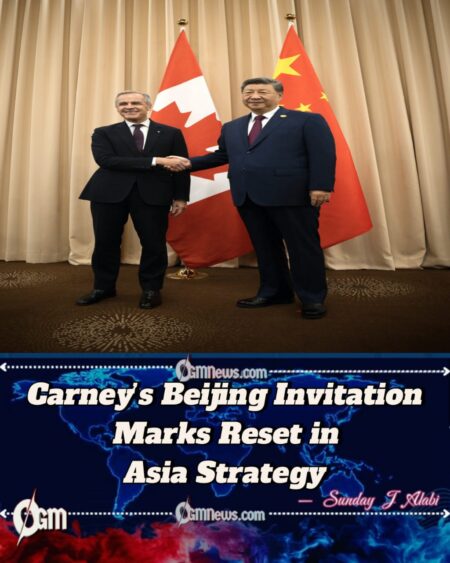
Canada’s Prime Minister Mark Carney has accepted an invitation from Chinese President Xi Jinping to visit Beijing, marking what Carney described as a “turning point” in bilateral relations after years of diplomatic strain and intensifying trade pressures. The two leaders met for 40 minutes on the sidelines of the APEC summit, the first such engagement between Canadian and Chinese heads of government since 2017.
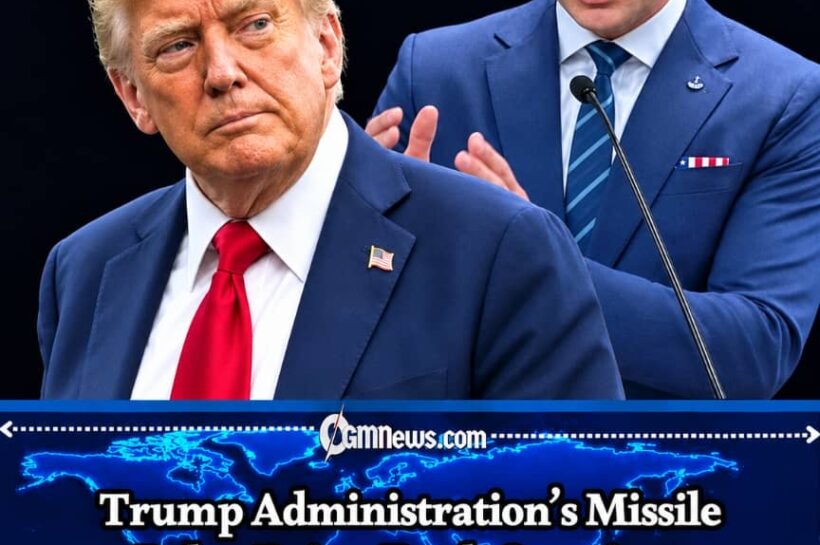
Carney said deeper cooperation with Asia’s major economies is crucial as tensions rise with the United States, Canada’s largest trading partner. The move reflects Ottawa’s effort to diversify trade and reduce reliance on U.S. markets following the current U.S. president’s second-term imposition of aggressive tariffs on Canadian goods and strategic sectors.
Rebuilding Diplomatic Bridges After Years of Strain
The meeting between Carney and Xi positions Canada to recalibrate a relationship long defined by diplomatic disputes and trade restrictions. Relations deteriorated sharply in 2018 after China detained Canadians Michael Spavor and Michael Kovrig following the arrest of Huawei executive Meng Wanzhou in Vancouver at Washington’s request. Although all three were released in 2021, tensions persisted and deepened into a trade dispute by 2024.
Carney emphasized that restoring dialogue is key to rebuilding confidence. “Distance is not the way to solve problems,” the prime minister said, welcoming Beijing’s commitment to return relations to a “healthy, stable, and sustainable” path. Both leaders instructed officials to work swiftly to resolve outstanding trade barriers, signaling intent for gradual normalization.
China, for its part, expressed readiness to re-engage. Xi stated that Beijing would work with Canada to restore cooperation, reflecting Beijing’s interest in stabilizing ties with Western partners amid shifting global trade alignments.
Canada Trade Pressures With U.S. Drive Diversification Strategy
Canada enters renewed engagement with China amid significant friction with Washington. The United States has imposed broad tariffs, including a 35% levy on Canadian goods outside existing trade agreements and heightened duties on steel, aluminum, and automobiles. The current U.S. president has also threatened additional tariff hikes and recently halted trade talks following an Ontario-produced advertisement promoting free trade.
Carney has responded by pledging to double Canada’s non-U.S. exports within a decade, expanding ties with Asian economies to offset volatility in North American trade. Analysts say the pivot reflects both economic necessity and strategic recalibration as Canada navigates a two-front trade challenge.
Meanwhile, Canada and China remain locked in tariff disputes of their own, particularly targeting canola and electric vehicles. Western provincial leaders have urged Ottawa to reduce tariffs on Chinese EVs due to economic strain on agricultural and industrial sectors.
Geopolitics at Play as U.S. and China Seek Trade Reset
Carney’s diplomatic outreach comes one day after Xi met with the U.S. president, with both leaders expressing intent to cool their trade war following six years of escalating tensions. While no formal agreement has yet been reached, prospects for tariff reductions between Washington and Beijing underline shifting global trade dynamics and increased pressure on middle economies like Canada to secure strategic footing.
As Canada prepares for Carney’s anticipated visit to Beijing, Ottawa faces the dual challenge of defending national interests while managing complex relationships with the world’s two largest economies. With diplomatic channels reopening and trade diversification now a national priority, the coming months may prove pivotal in reshaping Canada’s global economic posture.

Logging in is a breeze and the site stability is amazing even during peak hours....