


























Sean “Diddy” Combs, the Grammy-winning rapper, producer, and business mogul once celebrated for shaping the sound of modern hip-hop, has seen his legacy overshadowed by legal turmoil. After decades of fame, wealth, and influence, the Bad Boy Records founder now faces a stunning reversal of fortune—convicted on federal prostitution-related charges and sentenced to prison. Once known for his musical genius and entrepreneurial vision, Diddy’s name has become synonymous with controversy, legal battles, and public scrutiny.
Sean Diddy rose from humble beginnings in Harlem, New York, to become one of the most powerful figures in global entertainment. He started his journey as an intern at Uptown Records before launching his own label, Bad Boy Records, in 1993. Through that platform, he helped shape the careers of artists such as The Notorious B.I.G., Mary J. Blige, and Usher. His 1997 album No Way Out catapulted him into superstardom, earning him a Grammy Award and cementing his reputation as both a performer and producer. Beyond music, his Sean John clothing line and business partnerships in beverages and media made him one of hip-hop’s first billionaires.
Sean Diddy’s downfall began in 2024, when federal prosecutors brought multiple charges against him, including racketeering conspiracy, sex trafficking, and the transportation of individuals for prostitution. The indictment painted a picture of a powerful figure who allegedly used his influence to manipulate and exploit women within his social and professional circles. After months of courtroom drama, disturbing testimonies, and extensive media coverage, Diddy was acquitted of the most serious trafficking charges but found guilty on two counts related to transporting women across state lines for prostitution.
Sean Diddy’s conviction led to a 50-month federal prison sentence and a $500,000 fine. His lawyers have filed an appeal, arguing procedural errors during the trial, but legal experts say the case represents one of the most significant celebrity convictions in recent years. For a man who once stood at the pinnacle of fame, the verdict marked a humbling and historic fall from grace.
Sean Diddy’s sentencing brought an emotional close to a turbulent chapter that gripped both the music industry and the public. For many of his long-time fans, the outcome was heartbreaking; for others, it was a long-overdue reckoning. Either way, the case has permanently changed how one of hip-hop’s most influential figures is remembered.
Sean Diddy at the Center of Clemency Rumors
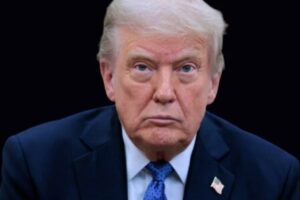
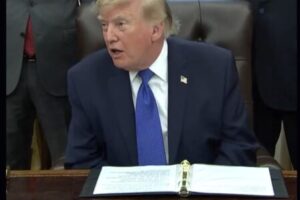
Sean Diddy was thrust back into the spotlight weeks after his sentencing when online rumors began circulating that President Donald Trump was considering commuting his prison sentence. The claim originated from a gossip blog that alleged Trump had been “moved” by appeals from influential voices in the music industry to grant Diddy clemency. Within hours, the story gained momentum across X (formerly Twitter), Instagram, and TikTok, sparking heated discussions about power, privilege, and politics.
Sean Diddy’s representatives swiftly denied the claims, stating categorically that neither the artist nor his team had made any contact with the White House. “There has been no communication of any kind between Mr. Combs and the administration,” a spokesperson said. “These rumors are completely false.” Despite this, the speculation continued to spread, fueled by social media users debating whether Trump might use the case to strengthen his political outreach among entertainment figures and minority communities.
Sean Diddy’s name became one of the most searched topics online as misinformation blurred the lines between reality and rumor. Several major media outlets even picked up the story before verifying it. This prompted the White House to intervene directly. In an exclusive statement to Us Weekly, a senior official said, “There is no truth whatsoever to the claim that President Trump is considering a commutation or pardon for Mr. Combs.” The official clarified that no documents or petitions related to Diddy’s case had reached the president’s desk.
Sean Diddy’s situation highlighted how easily misinformation can spread in the digital era, particularly when involving high-profile personalities. Within 24 hours, what began as a single unverified post had evolved into a nationwide discussion. The White House’s firm denial eventually brought the speculation to an end, but not before it exposed the fragility of public trust in online news sources.
Sean Diddy’s episode became a case study in modern media frenzy—where celebrity status and political intrigue collide, creating narratives that overshadow verified facts. It demonstrated how social media’s speed can outpace truth, forcing official institutions to chase down falsehoods before they take deeper root.
Sean Diddy’s Future and the Public Reckoning
Sean Diddy now faces a long and uncertain road ahead. While his legal team prepares to challenge the conviction, his business empire—once valued at hundreds of millions of dollars—has been significantly disrupted. Endorsement deals have been suspended, production partnerships halted, and long-time collaborators have quietly distanced themselves from him. For an artist who once stood as a symbol of Black excellence and entrepreneurial resilience, the fall has been dramatic and deeply public.
Sean Diddy’s conviction has also ignited broader conversations about celebrity accountability and the culture of silence surrounding misconduct in the entertainment industry. Activists have hailed the verdict as a signal that fame can no longer shield individuals from justice. “Diddy’s trial shows that even the most powerful can be held accountable,” one advocate commented. Meanwhile, some fans have struggled to reconcile the man who inspired generations with the disturbing allegations that led to his downfall.
Sean Diddy’s name, once associated with glamour and success, now represents a cautionary tale about excess, power, and responsibility. His story has forced the industry to confront uncomfortable truths about exploitation and privilege. In many ways, his case reflects a shifting era—where influence is no longer an impenetrable shield against consequence.
Sean Diddy remains in federal custody as his appeal moves forward. Whether his legal fortunes change or not, his image has been permanently altered. The man who once commanded stages, fashion shows, and boardrooms now faces the reality of confinement and reflection.
Sean Diddy’s rise and fall stand as one of the most dramatic transformations in modern entertainment history. From Harlem’s streets to global stardom, from platinum records to prison walls, his story mirrors the fragility of fame itself—a stark reminder that power, no matter how vast, is never immune to accountability.

[…] […]