
























Attorneys for former FBI Director James Comey have filed motions to dismiss the federal indictment against him, arguing that the prosecution stems from “President Trump’s personal animus” rather than lawful grounds. The motions, filed Monday in the Eastern District of Virginia, challenge both the legitimacy of the charges and the validity of the interim U.S. attorney’s appointment.
Comey’s lead attorney, Patrick Fitzgerald, argued that the case represents “an egregious abuse of power,” alleging that President Trump directed prosecutors to charge Comey out of “personal spite” over past disputes. The two-count indictment accuses Comey of making false statements to Congress and obstruction of justice linked to his 2018 Senate testimony. Fitzgerald contends the charges violate constitutional protections against vindictive prosecution and should be thrown out before trial.
Judge Michael Nachmanoff has scheduled a hearing for November 19 to review the motions. Comey’s lawyers maintain that even if the court declines to dismiss the case outright, it should compel the government to disclose details about how the indictment was reached. They warned that failing to address the issue would leave Comey “in a perpetual state of being vindictively prosecuted.”
Prosecutors Question Comey’s Lawyer, Cite Potential Conflict
Federal prosecutors have raised conflict-of-interest concerns over Comey’s lead counsel, Fitzgerald, alleging his prior involvement in Comey’s 2017 disclosure of classified information. In a court filing, prosecutors Tyler Lemons and Gabriel Diaz said Fitzgerald might have participated in an effort to leak contents of a memo Comey wrote after his dismissal as FBI Director during Mr. Trump’s first term.
According to a Justice Department Inspector General report, James shared several memos with Fitzgerald shortly after his removal, though the watchdog concluded that no classified material was leaked to the media. Nevertheless, prosecutors have requested that the court install a “filter team” to separate privileged materials from evidence prosecutors can review.
James ’s attorneys dismissed the motion as an attempt to “defame” Fitzgerald and accused the government of retaliatory tactics. They cited the Justice Department’s 2019 decision not to prosecute Comey over the memos as proof that the issue was long resolved. Still, the conflict dispute may complicate proceedings and delay hearings already set for late November.
Halligan Appointment Draws Legal Scrutiny Amid Wider DOJ Challenges
Central to James’ defense is the argument that Lindsey Halligan, the interim U.S. Attorney who signed the indictment, was “defectively appointed”. Halligan, a former defense lawyer for President Trump and a senior aide in his second administration, was appointed to the role in September. Comey’s lawyers assert that her appointment bypassed Senate confirmation and therefore invalidates the charges she brought.
Halligan’s appointment follows similar legal challenges in New Jersey and Nevada, where federal judges ruled that temporary U.S. attorneys installed by President Trump were serving “without lawful authority.” Those rulings concluded that the president cannot continuously reappoint interim prosecutors to sidestep Senate approval—a claim Comey’s team now extends to Halligan’s case.
The dispute comes amid a broader reshuffling of U.S. Attorney’s Offices nationwide. Critics have accused the Trump administration of using interim appointments to consolidate prosecutorial power. James filing links Halligan’s appointment to a broader “end run around Congress’ authority” on judicial confirmations, calling it a direct violation of federal law governing U.S. attorney vacancies.
A Long and Bitter Feud Resurfaces
The case marks the latest chapter in the years-long feud between President Trump and James Comey, which began when Mr. Trump dismissed him as FBI Director in 2017. The firing triggered the appointment of Special Counsel Robert Mueller and deepened tensions between the two men. Since then, the president has repeatedly accused Comey of corruption and mishandling classified information.
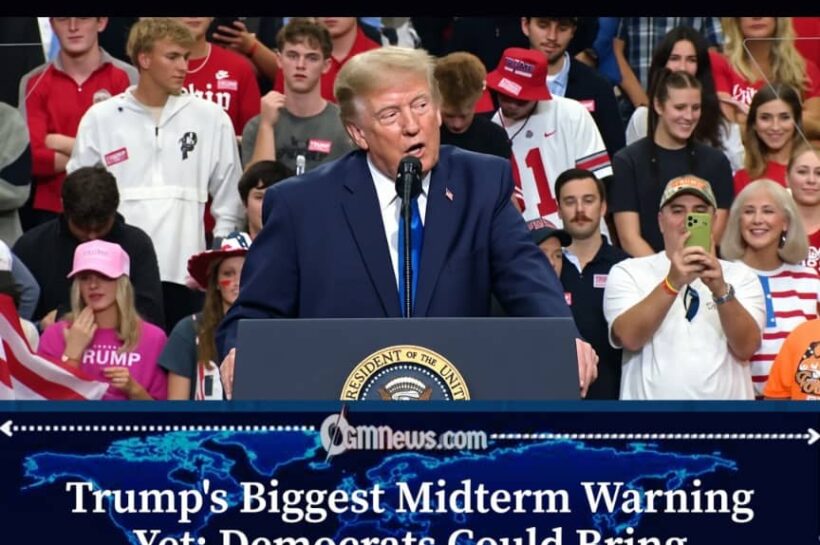
Comey’s indictment came shortly after President Trump publicly pressed Attorney General Pam Bondi to pursue charges against Comey and other political adversaries, including New York Attorney General Letitia James and Sen. Adam Schiff. In a social media post, Mr. Trump wrote that the trio were “guilty as hell” and insisted, “Justice must be served, now.”
Legal experts note that claims of vindictive prosecution are notoriously difficult to prove. Still, they acknowledge that the timing ofJames’ indictment and the unusual structure of Halligan’s appointment could bolster his defense. Additional motions, including allegations of grand jury abuse and prosecutorial misconduct, are expected to follow next month.
[…] […]