




























Ben Stiller, the acclaimed actor, director, and Hollywood powerhouse behind Zoolander and Night at the Museum, is facing public scrutiny after his children, Ella and Quinlin Stiller, accused him of being emotionally distant during their formative years. In a revealing new interview that has set social media ablaze, the siblings described growing up in what they called “a celebrity house, not a home,” criticizing their father for “never being around” and prioritizing film sets over family life.
Ben Stiller’s daughter, Ella, now 22, spoke candidly about feeling “like an extra in my own father’s movie,” explaining that despite her father’s fame and success, “there was always a sense that the camera came first.” Her younger brother Quinlin, 19, echoed the sentiment, admitting that their relationship with their father “felt more like an occasional guest appearance than an ongoing role.” The remarks have sparked an emotional debate about the cost of celebrity parenting in Hollywood.
Ben Stiller’s fans and industry colleagues have reacted with a mix of sympathy and criticism, with some defending his commitment to his craft while others questioned the human cost of constant career ambition. “It’s easy to glorify success until you hear the voices of those left behind,” one social media user commented. Another wrote, “Being a star doesn’t excuse being an absent parent.”
The Stiller family controversy has not only reignited old discussions about “nepo babies” — children of Hollywood stars who often benefit from their parents’ fame — but also shifted focus onto the emotional burdens they carry. For the Stiller family, fame appears to have been both a privilege and a prison, creating an image of perfection that conceals years of silent frustration.
Ben Stiller reportedly became aware of the interview only after it went viral, and insiders close to the actor said he was “deeply hurt” but “not surprised” by his children’s statements. A longtime family friend revealed that the actor had “always feared this kind of confrontation,” describing him as “a man torn between the pressure to stay relevant and the guilt of missing out on fatherhood.”
Trump Steps Into the Debate with a Call for Family Values
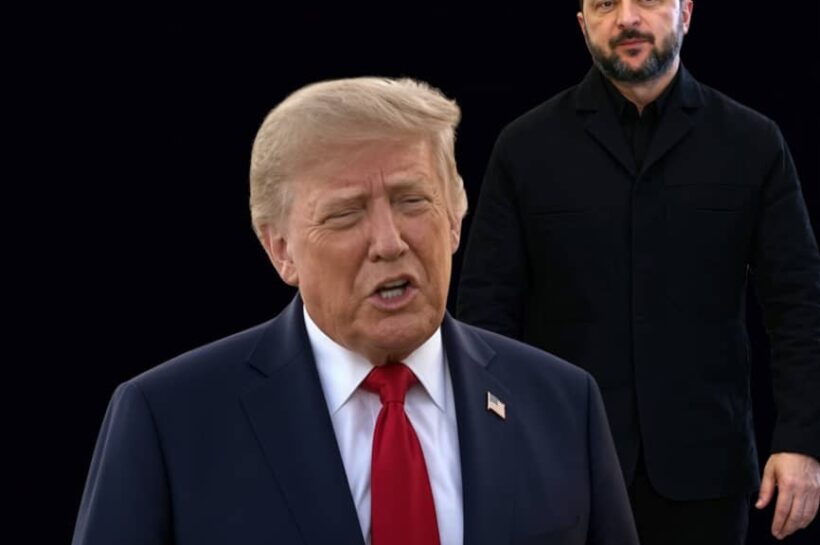
Ben Stiller’s private family drama took an unexpected turn when President Donald Trump, known for his outspoken views on cultural and social issues, publicly weighed in. Calling the situation “a sad reflection of Hollywood’s misplaced priorities,” Trump urged the entertainment industry to “teach responsibility, not just fame.” His remarks, delivered outside the White House, quickly went viral and added a political layer to an already heated discussion.
Stiller’s case became the center of a wider cultural debate as Trump claimed that “success means nothing if your children don’t feel loved or respected.” The president also decried what he called “the moral decay” of show business, suggesting that Hollywood “produces more broken homes than blockbusters.” The comment polarized public opinion — supporters hailed Trump’s focus on family values, while critics accused him of using a private family matter for political optics.
Ben Stiller’s experience illustrates the intersection of celebrity, ambition, and emotional cost. “The entertainment industry rewards obsession,” noted one media critic. “But every obsession extracts a price. The Stillers’ story is tragic because it’s not unique.” Conservative commentators have praised Trump’s stance, arguing that Hollywood needs a moral reset, while liberal pundits have dismissed his remarks as “performative morality.”
Ben Stiller’s journey highlights the tension between professional success and personal fulfillment. For many, his story represents a cautionary tale — proof that the pursuit of greatness can sometimes come at the expense of genuine human connection. As one columnist observed, “Hollywood builds careers but often breaks hearts.”
Public Reaction and the Actor’s Emotional Response
Ben Stiller eventually broke his silence in a measured social media statement acknowledging his children’s pain while defending his intentions as a father. “I’ve made mistakes,” he admitted. “There were times when I was too focused on work and not enough on being present. But I’ve never stopped loving or supporting my kids, even if I didn’t always show it in the right way.” His words, though heartfelt, did little to silence the mounting criticism from fans and parenting experts alike.
Stiller’s family dynamics have since been dissected by the media, with psychologists emphasizing that “emotional presence is as vital to children’s well-being as financial security.” The actor’s admission of regret has sparked widespread discussions about the hidden costs of fame and the challenges of balancing ambition with emotional availability. “Awards don’t hug you back,” one producer close to Stiller said poignantly.
Ben Stiller’s daughter and son, meanwhile, have inspired other celebrity children to share their stories under the viral hashtag #FameWithoutFamily. “It’s not just about privilege — it’s about pain,” wrote one participant. “We inherit our parents’ spotlight, but not always their love.” The online movement has evolved into a broader dialogue about generational healing and accountability in Hollywood families.
Ben Stiller’s efforts toward reconciliation are now being closely followed by both fans and critics. Friends insist that he has been making genuine efforts in recent years to rebuild trust and emotional connection with his children. “He’s been trying to be more present,” a source revealed. “But emotional distance doesn’t close overnight — it takes consistency, not just apologies.”
The story has ultimately transformed Ben Stiller’s narrative from one of mere celebrity gossip to a national conversation about family, fame, and forgiveness. Whether his renewed efforts will mend old wounds remains uncertain, but his case has forced Hollywood — and America at large — to confront the uncomfortable truth: the glamour of success can never replace the simple, enduring need to be there for the ones you love.


Mexican players will love how well this platform handles local payment methods. Deposits via OXXO...