


















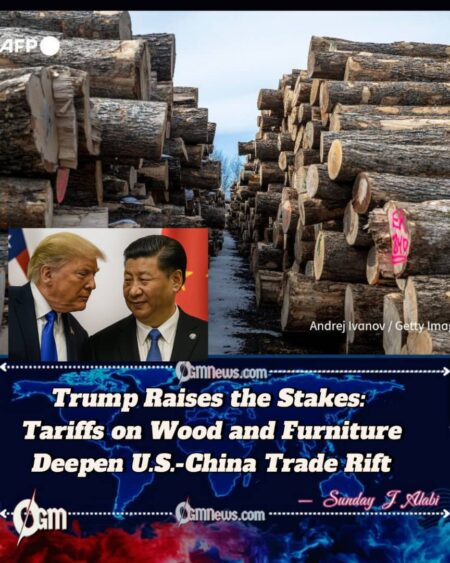
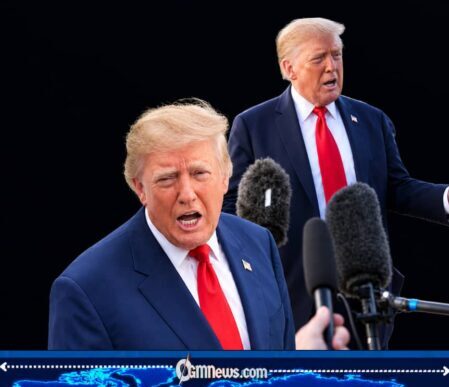
President Donald Trump, now serving his second term, implemented a sweeping set of new tariffs on imported wood products and furniture early Tuesday, marking the latest escalation in his ongoing trade war with China. The new levies—ranging from 10 to 50 percent—apply to goods including lumber, kitchen cabinets, and furniture, and are designed to promote domestic production in the American manufacturing and logging sectors.
Trump Administration officials argue that the policy will help revive local industries and reduce U.S. dependence on foreign materials. “We are prioritizing American workers and rebuilding America’s capacity to produce,” a senior trade adviser said Tuesday.
However, industry leaders and economists warn that the move may trigger a surge in consumer prices and slow construction and housing development, as the cost of imported raw materials rises sharply. Builders and furniture retailers are already bracing for supply chain disruptions and increased costs.
Markets React to Trump’s Threat of Wider Trade War
The president Trump’s announcement came just days after he threatened to impose a 100 percent tariff on all Chinese imports starting November 1, in response to Beijing’s recent restrictions on the export of rare earth minerals. These minerals are essential components for products such as semiconductors, electric vehicles, and consumer electronics—industries that are heavily reliant on Chinese supply chains.
President Trump also suggested that he could cancel an upcoming meeting in Korea with Chinese President Xi Jinping, intensifying uncertainty in global markets. Analysts warn that such measures risk igniting a full-scale trade standoff between the world’s two largest economies.
The financial sector reacted sharply to the escalating rhetoric. On Friday, the S&P 500 index recorded its steepest one-day drop in six months, as investors grappled with concerns over higher manufacturing costs, disrupted global supply chains, and potential retaliation from Beijing.
Economic Stakes and Political Calculations
The Trump administration’s aggressive trade posture comes amid growing pressure to deliver on campaign promises of strengthening American manufacturing. Supporters of the president applaud the tariffs as necessary to protect domestic jobs and prevent economic dependency on China, framing the move as a continuation of Trump’s “America First” economic policy.
Critics, however, contend that the tariffs function as a hidden tax on American consumers and risk destabilizing global trade at a delicate time. Economists warn that higher costs for wood and furniture will likely be passed on to buyers, worsening inflationary pressures that remain a key concern for households.
While the full impact of the new tariffs of Trump administration will unfold in the coming months, the policy has already heightened diplomatic tension and financial volatility—signaling that President Trump’s second-term trade agenda will continue to reshape global economic alliances.


Logging in is a breeze and the site stability is amazing even during peak hours....