
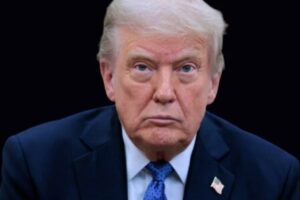
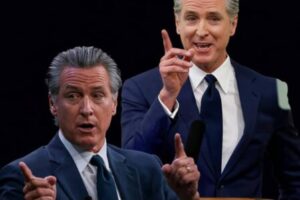


























Donald Trump voiced strong disappointment over a recent Portland ruling, making it clear that he did not believe he had been well served by the people who guided his judicial appointments. He admitted with some regret that the very judge who handed down the controversial decision was in fact one of his own appointees, a move that now seems to trouble him deeply. According to Trump, the outcome of this case is proof that even presidential appointments can sometimes produce results that undermine the goals of law and order.
Donald Trump stressed that while he had trusted the advice of those who helped him select federal judges, the Portland case now left him questioning the criteria that had been used. In his view, the appointment process failed to produce a jurist capable of aligning legal interpretation with the urgent realities on the ground. He said the ruling represented more than just a simple disagreement over law; it was, in his opinion, a fundamental misreading of a city in crisis.
Donald Trump suggested that the episode was a lesson not only for himself but also for future administrations. He warned that presidents must not only consider legal credentials when appointing judges but must also examine whether candidates have the practical vision to understand real-world challenges. The Portland ruling, he said, revealed a gap between courtroom deliberations and street-level realities, a gap he believes harms both public trust and national security.
Donald Trump Condemns Portland’s Situation
Donald Trump painted a grim picture of Portland, describing it as a city “burning to the ground” and blaming weak decisions like this ruling for worsening the crisis. He argued that the city’s long history of unrest, clashes between protesters and law enforcement, and the destruction of public and private property has made Portland an example of what happens when order is neglected. His rhetoric suggested that the court’s ruling did nothing to address these problems, but instead emboldened those who sought to destabilize the city further.
Donald Trump emphasized that anyone who doubted the seriousness of Portland’s situation only needed to watch live television coverage or read newspaper reports. He insisted that the evidence of lawlessness was so overwhelming that it should have shaped any responsible judicial decision. To him, the refusal of the judge to consider these realities was not just misguided but reckless, leaving law enforcement officers at a disadvantage and communities vulnerable.
Donald Trump tied Portland’s struggles to a larger national conversation about security, governance, and the role of the judiciary. He warned that if cities like Portland continue to be left unchecked, they could serve as a model for disorder spreading elsewhere. His conclusion was clear: unless courts, local governments, and law enforcement work in unison, the integrity of American cities could be undermined, and the confidence of ordinary citizens in their leaders could erode further.
Donald Trump Calls Out Judicial Accountability
Donald Trump delivered one of his harshest critiques by saying that the judge responsible for the ruling “ought to be ashamed of himself.” This remark underscored not only his personal anger but also his wider frustration with what he perceives as an unaccountable judiciary. According to Trump, judges must be willing to accept responsibility for the consequences of their rulings, particularly when those rulings affect public safety and national cohesion. He claimed that too often, courts hide behind technical legal arguments while ignoring the broader damage their decisions cause.
Donald Trump explained that in times of crisis, judicial rulings should not only satisfy abstract legal standards but must also contribute to the stability of society. He argued that decisions like the one handed down in Portland risked sending the wrong message to criminals and violent groups, suggesting that the legal system is indifferent to the destruction of communities. He made it clear that this kind of message undermines respect for the law and discourages the brave men and women of law enforcement who risk their lives daily.
Donald Trump concluded his comments by reaffirming his personal commitment to restoring order in Portland and similar cities. He promised to continue supporting police officers, federal agents, and local communities who have been left to deal with the fallout of poor judicial and political leadership. For him, the Portland ruling was not the end of the matter but rather a reminder that the fight for law and order requires constant vigilance, accountability, and the courage to confront not only political opponents but also judicial decisions that weaken the nation.
[…] […]