





























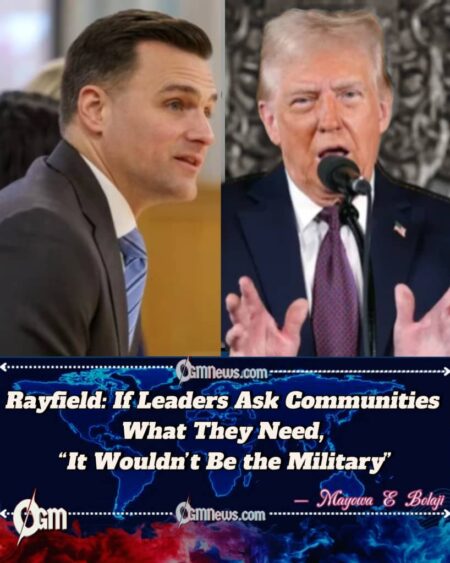
Oregon Attorney General Rayfield sharply criticized recent suggestions of deploying the United States military into American cities, arguing that such measures undermine genuine public safety. Speaking about his conversations with local leaders, Rayfield said the proper path forward lies in cooperation rather than confrontation.
General Rayfield stated, “If you really wanted public safety, you wouldn’t threaten to send the United States military into any city.” He emphasized that communities across Oregon and nationwide consistently express a need for targeted resources, not military intervention.
General Rayfield underscored that military involvement in domestic issues risks escalating tensions and eroding trust between citizens and government institutions. Instead, he argued that listening to the voices of communities themselves is the key to addressing safety concerns effectively.
General Rayfield Urges Communication With Local Communities
General Rayfield encouraged federal and state leaders to prioritize direct communication with local officials before considering drastic measures. “What you’d do is pick up the phone and work toward collaboration—finding out what resources a community actually needs,” he said.
The attorney general stressed that dialogue, rather than unilateral action, should guide decision-making around public safety. He noted that each community faces unique challenges and requires tailored responses, whether in housing, healthcare, or law enforcement support.
Rayfield explained that his office has gathered input from cities across Oregon and beyond. “I know for a fact, from talking to cities across Oregon and across the country, that if you pick up the phone and ask, ‘What do you need? What could be helpful?’ the answer would not be the United States military.”
General Rayfield Highlights Collaborative Alternatives
Rayfield’s remarks reflect a broader philosophy of governance centered on cooperation. He argued that building trust with local leaders, strengthening community-based programs, and addressing root causes of instability will do more to ensure long-term safety than deploying military forces domestically.
His position aligns with civil rights advocates who warn that involving the military in local matters could blur the lines between defense and law enforcement, potentially infringing on constitutional rights.
Rayfield’s comments come at a time when debates about public safety, protest management, and government authority remain sharply divided across the nation. His call for collaboration rather than militarization positions Oregon as a state pushing back against heavy-handed federal tactics.


Casinoabc999? Good Site. The interface is sleek, and there is a lot of stuff to...