























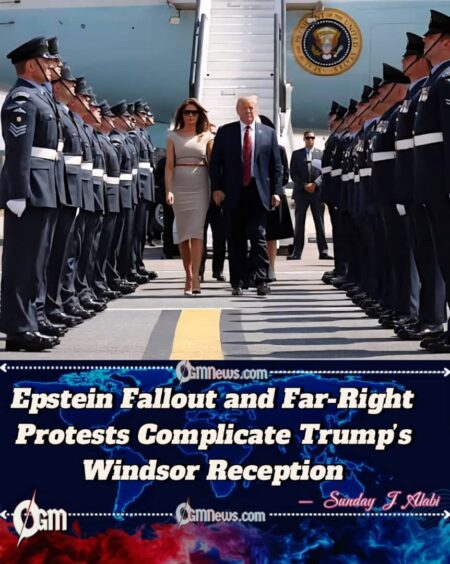
President Donald Trump touched down in London on Tuesday for what will be remembered as a historic and symbolic moment in Anglo-American relations: a second official state visit to the United Kingdom. Welcomed with the grandeur of a royal reception at Windsor Castle on Wednesday evening, hosted by King Charles III, the event marks an unprecedented diplomatic gesture. Traditionally, U.S. presidents rarely receive such honors twice, especially during their second terms.
Trump, who has often expressed admiration for the British monarchy, is set to relish every element of pageantry. His itinerary includes a royal carriage procession with King Charles, Queen Camilla, and the Prince and Princess of Wales, accompanied by military regiments and brass bands. A flypast of British and American F-35 fighter jets will cap off the festivities before a state banquet at Windsor Castle.
For Prime Minister Keir Starmer, who extended the royal invitation earlier this year, the move was viewed as a calculated effort to deepen ties with the White House. Political analysts note that the royal spectacle serves as both a diplomatic card for the U.K. and a publicity boost for Trump, who thrives on imagery of global prestige.
Domestic Divisions and Political Strain in Britain
While Trump leaves behind a turbulent U.S. still processing the recent assassination of right-wing activist Charlie Kirk, he arrives in a Britain also under immense strain. Prime Minister Starmer faces his own domestic challenges, as his government confronts mounting pressure from a resurgent right-wing populist movement.
This past weekend, London saw one of its largest demonstrations in years, as more than 110,000 supporters of far-right activist Tommy Robinson rallied under the banner of “Unite the Kingdom.” Tech billionaire Elon Musk, a former Trump ally, even addressed the crowd by video link, a sign of how international voices are helping fuel Britain’s polarized political climate. Although the demonstration was largely peaceful, skirmishes broke out between Robinson’s supporters and counterprotesters, leading to several arrests.
Observers suggest that Starmer’s reception of Trump comes at a moment of acute vulnerability, both politically and socially. For the Prime Minister, balancing the prestige of hosting a U.S. president with the realities of unrest at home may prove a difficult tightrope.
Ambassador’s Dismissal Casts a Shadow on Trump visits
The celebratory tone of Trump’s visit is further clouded by recent controversy involving Britain’s diplomatic corps. Last week, Starmer dismissed the U.K.’s ambassador to Washington, Peter Mandelson, following revelations of his long-standing friendship with the late convicted sex offender Jeffrey Epstein. The decision was prompted by the release of a trove of emails and personal notes exchanged between Mandelson and Epstein, some dating back to the mid-2000s.
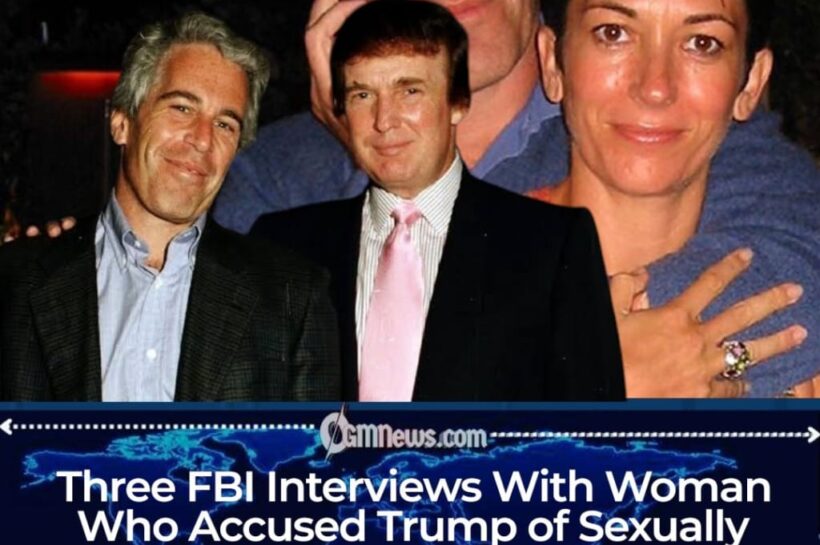
The dismissal has not only raised questions about Britain’s vetting of senior diplomats but has also placed renewed scrutiny on Trump’s own past links to Epstein. Although the president has dismissed such claims as a “Democrat-inspired hoax,” the resurfacing of a “birthday book” featuring messages allegedly written by Trump has reignited public discussion. Trump has denied signing the document, calling the evidence “fake.”
With the ambassador role left vacant at a critical diplomatic moment, and with journalists unlikely to avoid questions surrounding Epstein, the visit risks being overshadowed by controversy. For both Trump and Starmer, what was meant to be a pageantry-filled reaffirmation of ties between Washington and London may instead become a reminder of the personal and political challenges they face.

[…] […]