













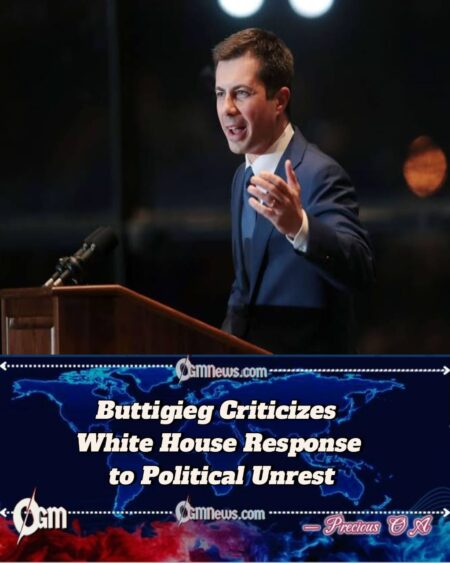
Buttigieg urged the nation to confront political violence by rejecting leaders who exploit it for their own advantage. Speaking in an interview, the transportation secretary argued that the White House has failed to provide the kind of leadership that can bring Americans together at a time of growing polarization. He warned that unless leaders focus on unity, the nation risks falling into cycles of unrest that undermine democracy.
Buttigieg stated plainly that the government’s response must not rely on crackdowns or heavy-handed tactics. “The response to this cannot be for the government to crack down,” he explained, emphasizing that such approaches only erode trust and deepen divides. His comments reflect frustration that national leaders have not seized opportunities to heal the country but instead have leaned into rhetoric that inflames divisions.
His warning comes at a time when political violence has become a recurring topic in American life. High-profile incidents, from threats against election officials to violent clashes at rallies, have kept the issue in the national spotlight. Analysts say his remarks are intended not just as criticism but also as a reminder that the stability of democratic institutions depends on leadership that resists turning violence into a political weapon.
Criticizes White House Leadership
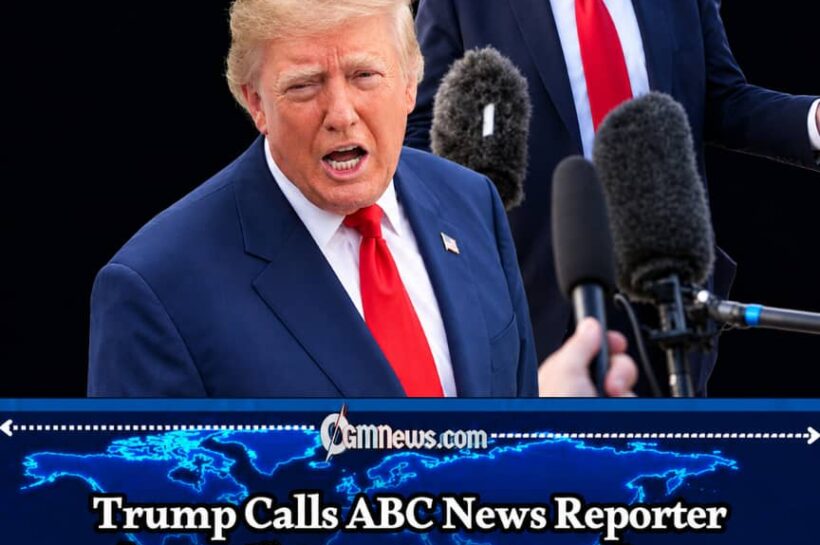
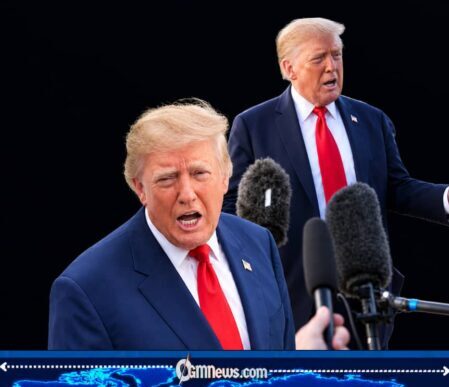
Buttigieg has been particularly pointed in directing his concerns toward President Donald Trump, the current U.S. president serving a second term. While careful not to launch personal attacks, he stressed that the White House has failed to project the steady and unifying voice required in moments of crisis. He sees this as a missed opportunity for national reconciliation.
Buttigieg’s critique comes against the backdrop of several high-profile incidents, including the Capitol riot and attacks against local officials in recent years. In these moments, he argued, leaders should have spoken to the shared values of democracy and civic respect. Instead, the country has witnessed messaging that too often uses violence as proof of partisan narratives.
He believes that leadership should reduce tensions, not heighten them. Words from the highest office, he argues, shape how citizens respond to conflict. Analysts suggest his warning is timely, as divisive rhetoric from any leader has the potential to embolden extremist actions, leaving communities vulnerable and fearful. In the past, presidents from both parties sought to calm the nation during turbulent periods, but this tradition has weakened in recent years.
Advocates for a Cultural Shift in Politics
Buttigieg has consistently maintained that ending political violence requires more than law enforcement or legislation. For him, the challenge is cultural: leaders must actively refuse to weaponize violence for short-term political gain. Instead, they should prioritize dialogue, respect, and restraint. His message calls for a rethinking of what Americans expect from their leaders.
Buttigieg also insists that responsibility lies not only with elected officials but with citizens themselves. “In order to deprive political violence of its power, we have to reject anyone who would try to exploit political violence,” he said. The comment reflects his belief that democracy depends on voters demanding accountability and unity from those in power.
His perspective aligns with democratic traditions that emphasize civil liberties, open debate, and the peaceful resolution of conflict. However, critics question whether his idealistic call for restraint is realistic in an environment where partisan divides remain sharp. Still, his comments point to a larger truth: the United States cannot rely solely on law enforcement to prevent violence. A cultural shift—one that values responsible leadership and rejects division—may be the nation’s only sustainable path forward.

Logging in is a breeze and the site stability is amazing even during peak hours....