








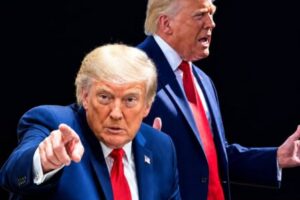













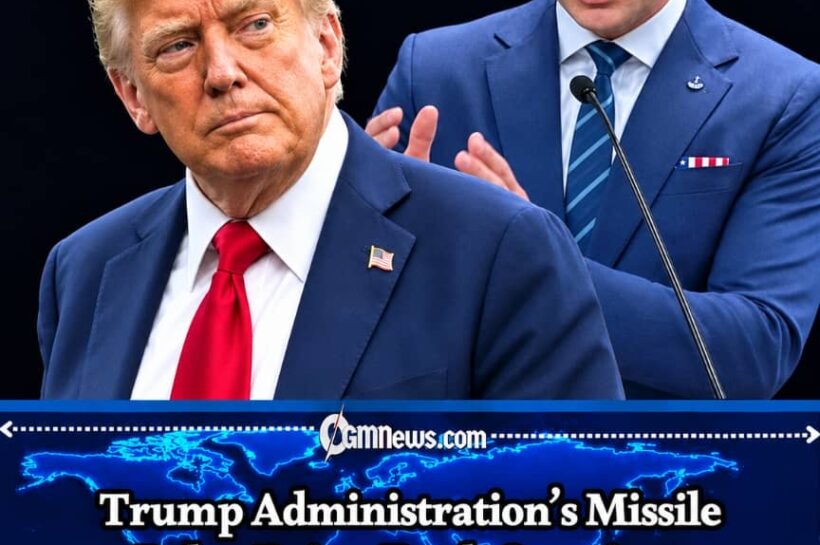




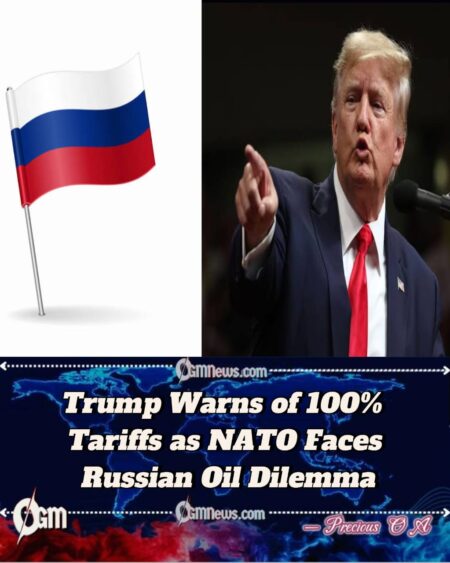
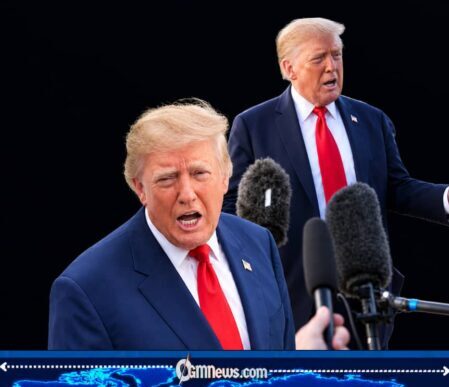
Trump, the current U.S. president serving a second term, has issued a dramatic warning to NATO allies, threatening to impose 100% tariffs on China if the alliance continues purchasing oil from Russia. The statement, delivered at a White House press briefing, signals Washington’s growing impatience with European dependence on Russian energy.
The president claimed that Russian oil imports undermine the collective stance against Moscow. By linking harsh trade measures against China to NATO’s energy decisions, he sought to expand U.S. influence across both security and economic fronts. Observers believe the strategy is designed to place maximum pressure on allies and adversaries simultaneously.
Trump’s warning, however, has raised immediate concerns within diplomatic circles. While Washington wants NATO to cut ties with Russian oil, critics argue that tying the issue to tariffs on China risks creating confusion and damaging global trade stability. Early reactions from European capitals suggested that leaders remain cautious about yielding to U.S. pressure without exploring alternative energy options.
Trade, Energy, and Global Repercussions
At the heart of the conflict is Europe’s continued reliance on Russian oil despite years of sanctions. Some NATO members argue they cannot swiftly abandon these imports without risking severe domestic shortages and price hikes. This tension has placed Washington’s security expectations at odds with European economic realities.
Trump’s proposed tariffs on China, though indirectly connected to NATO’s energy policy, form part of a broader American strategy. By targeting Beijing, the U.S. hopes to cut off one of Moscow’s strongest lifelines. Washington believes that squeezing China economically could reduce Russia’s capacity to profit from oil sales. Yet analysts caution that such a move could escalate into a trade war involving the world’s largest economies.
Economists also warn of ripple effects. A 100% tariff on Chinese goods would likely raise costs for American businesses and consumers, while simultaneously straining European supply chains. Critics argue that this blend of security policy with trade disputes risks undermining NATO cohesion and destabilizing the global economy.
Trump’s Position Within NATO Tensions
Trump’s stance has highlighted longstanding divisions within the alliance. Eastern European countries, particularly those bordering Russia, strongly support tougher restrictions on Moscow’s energy exports. In contrast, Western European nations—especially those with higher energy needs—remain reluctant to take drastic steps without firm alternatives in place.
Diplomatic observers note that Trump’s ultimatum reflects his transactional approach to alliances. By tying NATO’s behavior directly to U.S. trade decisions, he is attempting to force allies into line. This approach, while blunt, may appeal to those within Washington who believe NATO has been too slow to act against Moscow.
Trump’s position also raises questions about NATO unity. The threat of tariffs on China, a non-NATO power, complicates matters further by bringing in a third-party economic rivalry. Leaders within the alliance now face the challenge of deciding whether to prioritize immediate energy needs or long-term strategic solidarity with the U.S.
A Critical Test for Transatlantic Cooperation
Trump’s latest warning is expected to dominate upcoming NATO meetings. While Washington insists that cutting Russian oil imports is essential to weakening Moscow, European leaders remain wary of risking energy crises during uncertain economic times. Balancing these conflicting priorities will not be easy.
For now, NATO’s leadership has avoided issuing a collective statement. Instead, individual member states have signaled differing views. Some see Trump’s warning as necessary to maintain pressure on Russia, while others view it as an unwelcome intrusion into national energy policies.
Trump’s threat could therefore mark a turning point in transatlantic relations. Whether NATO closes ranks or drifts further apart may depend on how effectively the alliance can reconcile its security goals with economic survival. What remains certain is that this dispute places NATO at the center of a debate that spans far beyond military cooperation and directly into the future of global trade.

Logging in is a breeze and the site stability is amazing even during peak hours....