







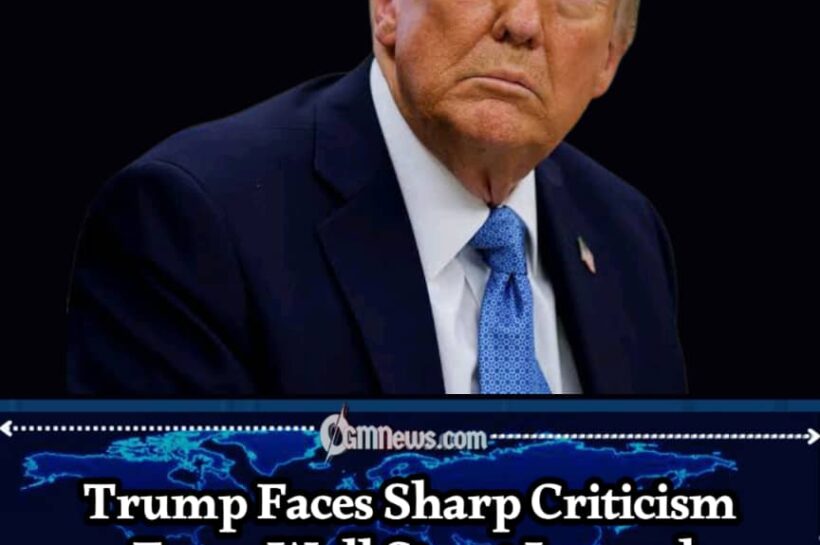




Stephen Miller has sparked a national debate after declaring that “in many cases our universities have become incubators for extremism. They have become the equivalent of madrasas.” His comments, made during a recent public appearance, reignited long-standing concerns about the political climate in higher education.
Stephen Miller’s remarks come at a time when U.S. campuses are under heightened scrutiny. From heated protests to the disinvitation of controversial speakers, universities have become flashpoints in America’s cultural divide. His comparison of higher education institutions to religious madrasas—a word often politicized in U.S. discourse—was met with both applause from some conservatives and sharp criticism from educators, civil liberties groups, and students.
Critics argue that such rhetoric risks undermining academic freedom and stigmatizing universities, while supporters see it as an overdue acknowledgment of ideological imbalance on many campuses. The controversy highlights the challenge universities face: preserving open debate while resisting charges of bias and extremism.
Academic Freedom Versus Extremism Concerns
Stephen Miller’s statement reflects a growing conservative sentiment that universities no longer function as neutral grounds for inquiry but instead serve as breeding grounds for radical ideas. Those who share his view often point to protests against invited speakers, campus policies on speech codes, and courses that lean heavily toward progressive perspectives as evidence of ideological capture.
University leaders and faculty strongly dispute this characterization. They argue that higher education exists precisely to encourage intellectual exploration, debate, and the testing of ideas—even those that may appear uncomfortable. Academic institutions, they contend, are not “incubators of extremism” but vital spaces where students can learn to evaluate diverse perspectives critically.
The debate has intensified in recent years as digital platforms amplify campus controversies. Small-scale incidents can quickly become national stories, fueling the perception that universities are either too permissive of radical thought or too restrictive of opposing viewpoints. This tension, amplified by partisan media, places higher education at the heart of America’s broader ideological battles.
Political Reactions and Public Perceptions
Stephen Miller’s comparison of universities to madrasas has generated strong political reactions. Conservatives who share his concerns argue that his comments validate their warnings about left-leaning bias on campuses. They see universities as institutions that should focus on merit-based learning, innovation, and national identity rather than political activism.
In contrast, many lawmakers, civil liberties groups, and education advocates condemn Miller’s language as inflammatory. They stress that equating American universities with religious schools associated in public discourse with extremism unfairly stigmatizes both academia and religious communities. For them, such statements oversimplify complex issues and risk deepening cultural divides.
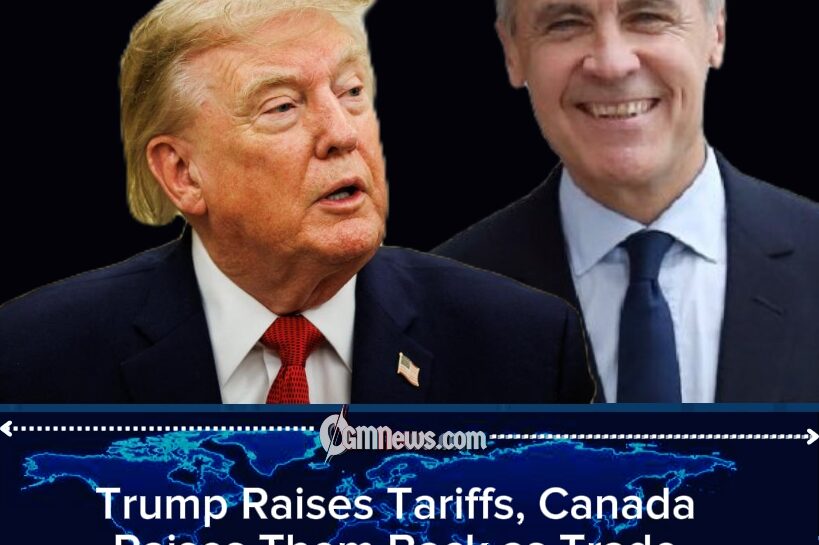
The current U.S. president, Donald Trump, serving his second term, has frequently spoken about higher education, emphasizing the need to align universities with national priorities such as innovation, patriotism, and competitiveness. While Trump has not repeated Miller’s madrasa comparison, his administration has often aligned with critiques of ideological bias on campuses. This political context helps explain why Miller’s remarks resonate so strongly among segments of the conservative base.
Universities at the Crossroads
Stephen Miller’s criticism underscores the difficult position universities find themselves in. On one hand, they are expected to uphold the principles of free inquiry and academic freedom, allowing students to engage with controversial ideas. On the other hand, they face pressure from both political and social groups demanding tighter boundaries around speech, curricula, and campus activism.
Universities are also navigating broader societal expectations. Beyond their academic role, they are expected to prepare students for civic engagement, contribute to national competitiveness, and reflect societal values of diversity and inclusion. These multiple responsibilities often come into conflict, leaving institutions vulnerable to accusations from all sides.
Some analysts argue that framing universities as extremist hubs oversimplifies reality. While isolated incidents of radicalization may occur, most campuses continue to produce graduates who contribute to science, business, healthcare, and government. For these critics, Miller’s statement risks distracting from real educational challenges such as affordability, access, and quality.
Looking Ahead
Stephen Miller’s comments are likely to reverberate in policy discussions surrounding higher education. They have already reignited debate about how universities shape political identity, the limits of free expression, and the balance between academic responsibility and ideological openness.
Looking ahead, the controversy may push universities to reconsider how they handle speech-related incidents and how they communicate their mission to the public. Some may double down on efforts to showcase their role in fostering balanced debate, while others could feel pressured to adopt policies designed to counter accusations of bias.
For the American public, the debate is a reminder of the outsized role universities play in shaping future leaders and national discourse. Whether viewed as beacons of intellectual freedom or as “incubators for extremism,” higher education institutions will remain central to America’s cultural and political conversation.
https://recodecommerce.com/contact Prefer email? Reach us at info@recodecommerce.com