















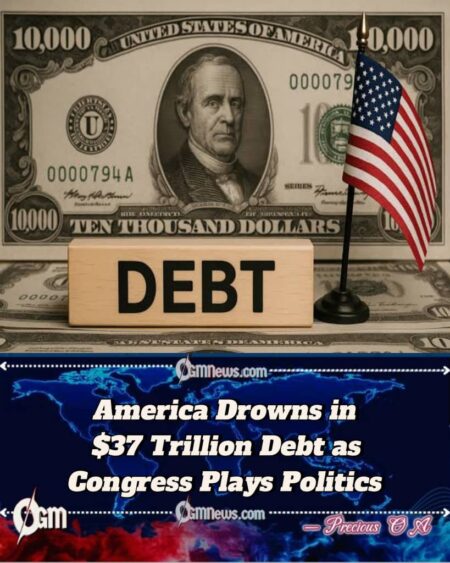
America is now grappling with an unprecedented financial burden: a national debt of $37 trillion. This astronomical figure is difficult to comprehend, but comparisons help highlight the scale. It could fund the salaries of the NFL, NBA, MLB, and NHL combined for 2,000 years—or finance a Taylor Swift tour stretching into the year 60,000.
Economists warn that while such comparisons may seem humorous, the debt itself is no laughing matter. With every passing year, the federal government spends more than it brings in, creating a cycle of borrowing that risks long-term economic instability. This imbalance threatens to weaken both domestic growth and the government’s ability to act during emergencies.
Congress Under Fire
Public frustration has grown as many accuse Congress of being “tone-deaf” to the severity of the problem. Despite repeated pledges to curb overspending, partisan conflicts and political brinkmanship have allowed deficits to swell, year after year.
Critics argue that lawmakers prioritize short-term political victories over sustainable fiscal policy. Instead of tackling the debt head-on, Congress often passes temporary fixes or relies on borrowing to fund new programs. The result is a nation living on borrowed time, with an ever-increasing share of federal revenue consumed by interest payments on existing obligations.
At a Crossroads
America stands at a pivotal moment. Economists stress that unless decisive measures are taken, the debt will continue to spiral, limiting the government’s flexibility to respond to emergencies or invest in future priorities such as education, healthcare, infrastructure, and defense.
The stakes are particularly high because younger generations will inherit the consequences of today’s decisions. Every year of delay adds trillions more to the burden, making solutions harder to implement and sacrifices greater. Financial experts warn that unless reforms are implemented soon, the problem could escalate beyond the nation’s control.
President Trump’s Call to Action
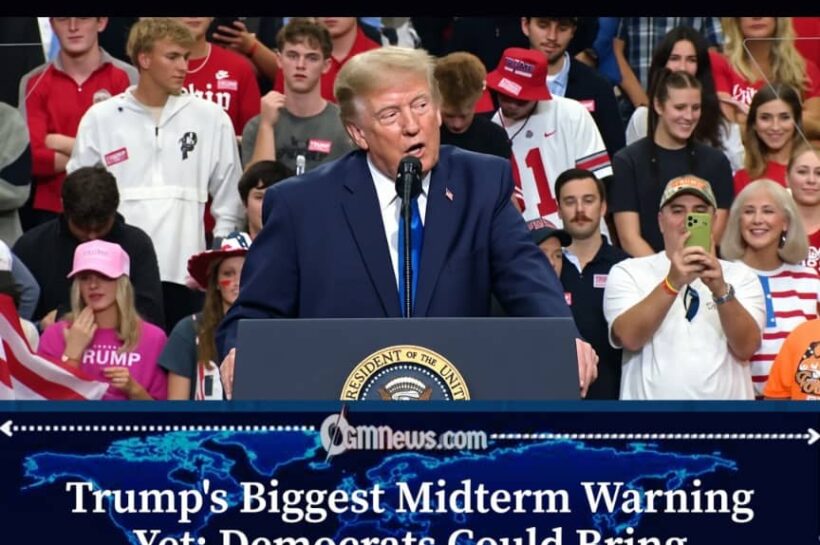
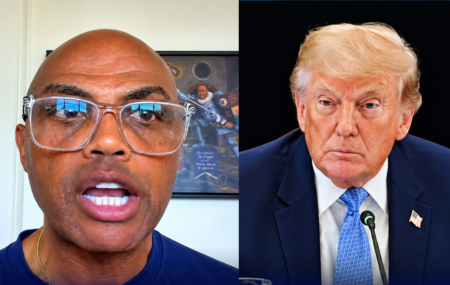
President Trump has made tackling the debt a central theme of his second term. In recent remarks, he declared, “We must cut the card,” urging citizens to pressure lawmakers into adopting responsible fiscal policies. His message is direct: runaway spending is not only unsustainable but also a threat to America’s economic strength.
By rallying grassroots support, Trump hopes to shift the political conversation and push Congress into action. He has linked financial discipline not only to survival at home but also to the preservation of American global leadership. The president’s speeches frame the debt debate as a fight for the nation’s future prosperity and security.
The Human Cost of Debt
For many citizens, discussions of trillions of dollars feel distant and abstract. Yet the effects of rising national debt filter into everyday life. Higher borrowing by the government often translates into higher interest rates, which affect mortgages, student loans, and credit card bills. Families find their budgets stretched thin as the cost of borrowing rises across the board.
Over time, government programs may also come under strain. Essential services such as Medicare, Social Security, veterans’ benefits, and federal education grants could face reductions if more revenue is diverted to servicing debt. For middle- and low-income households, such cuts would be particularly painful, further fueling public concern about fiscal irresponsibility.
Standing in the World
America’s role as the world’s largest economy gives it certain advantages, including the ability to borrow at relatively low interest rates. However, experts caution that this privileged status is not guaranteed forever. Continued borrowing risks weakening global confidence in the U.S. dollar, the backbone of international trade.
Other major powers, such as China and members of the European Union, are monitoring Washington’s fiscal trajectory closely. A perception of weakness could embolden rivals to challenge American influence both economically and diplomatically. International credit markets, meanwhile, may eventually demand higher rates, compounding the challenge.
Grassroots Movements Gain Momentum
Citizens across the country are joining the “Cut the Card” movement, a grassroots campaign demanding fiscal responsibility. Petitions circulating online have gathered tens of thousands of signatures, with calls for greater transparency and accountability in government spending. Organizers argue that only public pressure will force leaders in Washington to take meaningful action.
This movement signals a growing belief among Americans that leadership must change course. Many fear their financial futures are being mortgaged away by short-term decisions. The movement has also begun drawing attention from political candidates, who are realizing that debt reform may become a defining issue in upcoming elections.
Options for Reform
America faces difficult choices. Policy experts propose a variety of solutions, from enforceable spending caps to entitlement reform and simplifying the tax code. Others suggest a constitutional amendment requiring a balanced budget, which would force lawmakers to live within the nation’s means.
While opinions differ on the best path forward, nearly all experts agree on one point: delay will only make the problem worse. As debt grows, interest payments rise, reducing funds available for critical investments. The longer reforms are postponed, the fewer options remain and the harsher the eventual solutions will be.
Looking Toward the Future
America must decide whether to act decisively now or continue down a path of growing financial vulnerability. President Trump has positioned himself as a vocal advocate for reform, but bipartisan cooperation will be necessary to implement lasting solutions. Citizens, meanwhile, continue to demand accountability, signing petitions and calling for an end to reckless spending.
The question is no longer whether debt matters—it is how long the nation can sustain its current course without jeopardizing prosperity and leadership. The future of America’s economy, and its role in the world, hangs in the balance. What is at stake is not just numbers on a balance sheet but the stability of a nation that millions call home.

https://addlinks.pro/sfnWB