




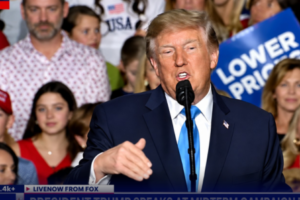
















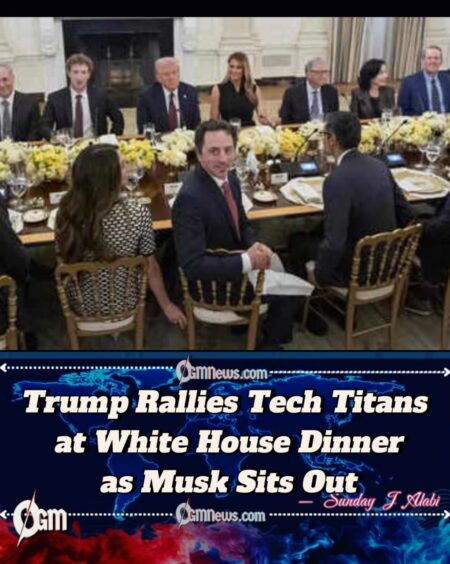
President Donald Trump welcomed more than a dozen of the world’s most influential technology leaders to the White House on Thursday for a high-profile dinner aimed at strengthening ties between government and Silicon Valley. The guest list read like a who’s who of the tech world, with Meta founder Mark Zuckerberg, Apple CEO Tim Cook, Microsoft founder Bill Gates, OpenAI’s Sam Altman, Google CEO Sundar Pichai, and Microsoft’s Satya Nadella all present.
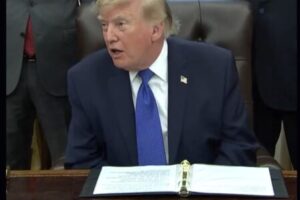
The gathering, held in the State Dining Room and briefly opened to the press before moving behind closed doors, underscored Mr. Trump’s ongoing strategy of courting top business leaders while pressing them for investment pledges to boost U.S. industry. Seated beside Zuckerberg, and with Gates near First Lady Melania Trump, the president praised the assembled executives as visionaries. “This is definitely a high-IQ group, and I’m very proud of them,” he said.
Musk Declines Invitation but Sends a Representative
One notable absence was Tesla and SpaceX CEO Elon Musk, the world’s richest man, who confirmed on social media that he had been invited but was unable to attend. “I was invited, but unfortunately could not attend. A representative of mine will be there,” Musk posted on X. White House officials confirmed the invitation, noting Musk’s absence was due to scheduling rather than exclusion.
Musk’s nonattendance comes amid a complicated relationship with Mr. Trump. Earlier this year, the entrepreneur clashed publicly with the administration over government spending and transparency issues, even vowing to form a new “America Party.” Despite their disputes, Mr. Trump this week predicted Musk would eventually realign with the Republican Party, describing him as “a man of common sense” who had briefly “got off the reservation.”
Gates Applauds Trump’s Vaccine Initiative
The dinner was not solely focused on technology and investment. Bill Gates used his speaking time to spotlight public health challenges, including vaccine innovation. He praised Mr. Trump’s Operation Warp Speed initiative, calling it a landmark achievement in the fight against COVID-19. Gates emphasized the need for new research in areas such as HIV and sickle cell anemia while noting that polio vaccines already have established science.
His remarks came only hours after Health and Human Services Secretary Robert F. Kennedy Jr. faced sharp questioning in the Senate over his long-standing skepticism toward vaccines. When asked about Kennedy, Mr. Trump defended him as “a very good person” with “a different take” on health, saying he appreciated that Kennedy brought unconventional perspectives to the administration.
Trump’s Growing Courtship of Big Tech
Thursday’s dinner fits into a broader pattern of Mr. Trump actively engaging with Silicon Valley leaders throughout his presidency. He has frequently invited executives to the White House, included them prominently in his inauguration events, and secured multimillion-dollar donations from their companies for his initiatives.
The president has positioned these meetings as more than ceremonial, pressing CEOs to commit to U.S.-based investment. Just last month, Apple pledged $100 billion toward U.S. manufacturing following a White House meeting, while Intel announced the government would take a 10% stake in its operations—a move criticized by some conservative economists but hailed by the administration as a major win for domestic industry.
Balancing Praise with Pressure
While Mr. Trump often lauds the brilliance of America’s tech leaders, he has also wielded tariffs and regulatory pressure to push them toward his economic goals. Recently, he threatened to impose tariffs of up to 100% on imported semiconductors unless companies agreed to build manufacturing facilities in the United States. The tactic has sparked debate among economists but has also accelerated negotiations with several major chipmakers.
At the dinner, the president maintained a lighter tone, calling the executives “geniuses” and joking about Musk being “80% super genius” and “20% with some problems.” Still, the underlying message was clear: the White House intends to keep Silicon Valley closely tied to national industrial and political objectives.
Melania Trump’s AI Summit Adds Policy Weight
Earlier in the day, First Lady Melania Trump hosted an AI-focused summit at the White House, attended by some of the same executives who later joined the dinner. The summit highlighted the administration’s interest in positioning the U.S. as a leader in artificial intelligence, while also exploring regulatory frameworks for the emerging technology.
By combining the AI summit with the evening dinner, the White House sought to frame the event as both celebratory and substantive, blending policy discussions with symbolic displays of cooperation. For Mr. Trump, the evening reinforced his role as a president determined to bring business leaders into the fold as partners in his economic and political vision.
Casinoabc999? Good Site. The interface is sleek, and there is a lot of stuff to...