





























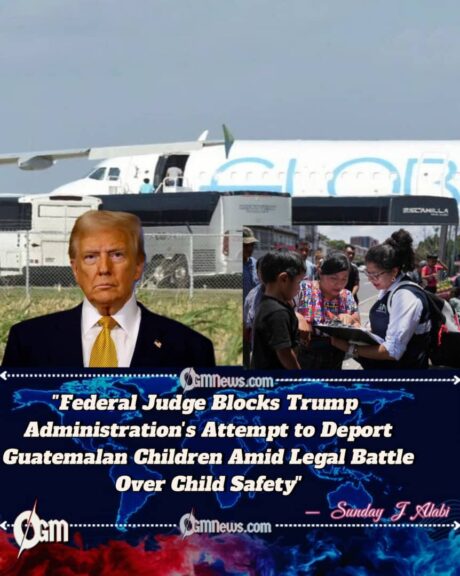
A federal judge issued an emergency restraining order on Sunday blocking the Trump administration from deporting dozens of unaccompanied Guatemalan children, sparking a heated legal and diplomatic dispute over child welfare and immigration enforcement. The temporary injunction came after advocacy groups raised urgent concerns that hundreds of vulnerable minors were at risk of being sent back to Guatemala despite pending asylum claims and credible fears of persecution.
The case has intensified debates over the administration’s aggressive immigration policies and highlights the complex intersection of family reunification efforts, child protection laws, and deportation procedures. With President Trump’s sweeping immigration enforcement promises at the center of his second-term agenda, the legal challenge represents a significant test of federal protections for unaccompanied minors.
Emergency Legal Intervention Prevents Planned Deportations
District Court Judge Sparkle Sooknanan’s emergency order on Sunday came in direct response to reports that children had been loaded onto planes and were minutes away from departure to Guatemala. The judge initially blocked the deportation of 10 migrant children aged between 10 and 17, but later expanded the protective order to cover all unaccompanied children at risk of similar removal during a hastily arranged Sunday afternoon hearing.
The 14-day restraining order emerged from urgent legal filings by immigrant advocacy groups who claimed approximately 600 children could face immediate deportation from facilities in Texas. Judge Sooknanan, who was nominated by former President Joe Biden, demanded assurances from Trump administration lawyers that no planes had already departed with children aboard. Deputy Assistant Attorney General Drew Ensign confirmed all aircraft were “on the ground” in the U.S., though acknowledged one plane may have taken off but subsequently returned.
The dramatic intervention underscores the time-sensitive nature of immigration enforcement actions and the challenges courts face in providing oversight of rapid deportation procedures involving vulnerable populations.
Trump Administration Defends Actions as Family Reunification Program
Trump administration officials vigorously defended the planned flights, characterizing them not as deportations but as humanitarian family reunification efforts coordinated with Guatemala’s government. Deputy Assistant Attorney General Ensign argued in court that the flights were specifically requested by Guatemalan authorities and the children’s relatives to facilitate reunions with parents and family members.
White House immigration advisor Stephen Miller criticized Judge Sooknanan’s intervention on social media, stating that “the minors have all self-reported that their parents are back home in Guatemala” and accused “a Democrat judge” of preventing family reunifications. The Trump administration’s position emphasizes cooperation with Guatemala under a pilot program proposed by President Bernardo Arevalo to President Trump.
However, advocacy groups disputed these claims, arguing that at least some cases did not involve genuine family reunification requests and that proper legal procedures had not been followed to verify the safety and appropriateness of such transfers.
Advocacy Groups Challenge Legality of Midnight Operations
Legal representatives for the children mounted their challenge based on federal laws specifically designed to protect unaccompanied minors who arrive in the United States alone. The advocacy groups argued that the planned actions violated established procedures requiring careful assessment of each child’s individual circumstances, including pending immigration court cases and documented fears of returning to their home country.
Efrén C. Olivares of the National Immigration Law Center, which filed the emergency lawsuit, characterized the operation as occurring “in the dead of night on a holiday weekend” and accused the administration of attempting to “rip vulnerable, frightened children from their beds.” The legal filing emphasized that some children had already expressed credible fears about being returned to Guatemala and had active cases before immigration judges.
The advocacy groups’ intervention highlights ongoing tensions between immigration enforcement priorities and child welfare protections, particularly regarding the treatment of unaccompanied minors who often flee dangerous conditions in their home countries.
Guatemalan President Supports Repatriation Despite Court Order
Guatemala’s President Bernardo Arevalo publicly criticized Judge Sooknanan’s ruling and reaffirmed his commitment to continuing efforts to bring Guatemalan children back under the pilot program he had proposed to President Trump. Arevalo’s position reflects his administration’s belief that reuniting children with their families in Guatemala serves their best interests and strengthens bilateral cooperation on immigration issues.
The Guatemalan president’s stance creates additional diplomatic complexity, as his government actively supports the repatriation efforts that U.S. advocacy groups are fighting in federal court. This dynamic illustrates the challenging intersection of domestic legal protections, international diplomacy, and competing interpretations of what constitutes the children’s best interests.
Arevalo’s commitment to the program suggests that diplomatic pressure may continue even as legal challenges play out in U.S. courts, potentially creating ongoing friction between judicial oversight and executive branch immigration policies.
Broader Context of Trump’s Immigration Enforcement Campaign
The Guatemala deportation case occurs within the framework of President Trump’s expanded immigration enforcement efforts, which represent a central component of his second-term domestic agenda. Since returning to office, the administration has implemented sweeping measures to remove undocumented migrants, fulfilling key campaign promises that resonated with his electoral base.
The current legal challenge takes place against the backdrop of a June Supreme Court decision that cleared the way for the Trump administration to resume deportations of migrants to countries other than their homeland without providing opportunities to raise safety concerns. This ruling has emboldened administration officials to pursue more aggressive enforcement actions while limiting traditional legal protections for vulnerable populations.
The case involving Guatemalan children may serve as a bellwether for how courts will balance executive branch immigration authority against established protections for particularly vulnerable groups, including unaccompanied minors who often lack adequate legal representation.
Legal and Humanitarian Implications Moving Forward
The 14-day restraining order provides a temporary reprieve while creating space for more thorough legal proceedings to address the fundamental questions raised by the case. The court will need to weigh competing claims about family reunification, child safety, and proper legal procedures in determining whether the administration’s actions can proceed.
The outcome may establish important precedents for how unaccompanied minors are treated under the current administration’s immigration policies and could influence similar cases involving vulnerable populations. Legal experts anticipate that the case will likely prompt broader discussions about the balance between immigration enforcement and child protection obligations under federal law.
Beyond immediate legal implications, the case highlights ongoing challenges in ensuring that immigration enforcement actions, even those characterized as humanitarian, comply with established legal protections and proper procedural safeguards for the most vulnerable populations in the immigration system


The weekly tournaments here keep me coming back because the prize pools are surprisingly generous....