



























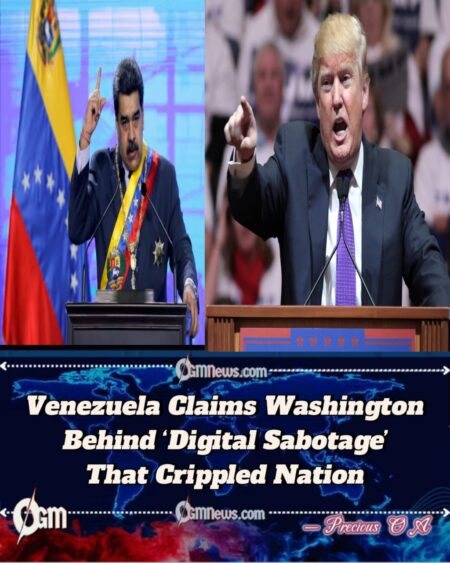
Venezuela is at the center of a new crisis after government officials accused the United States of carrying out a large-scale cyberattack that triggered a nationwide blackout. Greater Caracas and other key regions were plunged into darkness, sparking panic, halting essential services, and intensifying tensions with Washington.
VENEZUELA PLUNGED INTO DARKNESS
Venezuela experienced a sudden and sweeping blackout that left millions without electricity. The metro services stopped mid-route, businesses closed abruptly, and homes across the capital were thrown into chaos.
The country’s citizens were forced to adapt to pitch-black streets and disrupted communication networks, as internet and phone lines failed alongside the power grid. Daily activities came to an abrupt standstill, with residents struggling to preserve food, maintain communication with relatives, and continue their routines in an atmosphere of fear and uncertainty.
VENEZUELA GOVERNMENT BLAMES WASHINGTON
The government condemned the incident, describing it as a “cowardly cyber offensive” against the people. President Nicolás Maduro insisted the attack was deliberate and bore the “fingerprints of U.S. interference.”
Ministers echoed Maduro’s claims, stating the blackout was a calculated strike meant to destabilize the nation’s already strained infrastructure and economy. Officials linked the disruption to what they described as ongoing foreign plots against the state, insisting the crisis was part of a broader campaign to weaken the administration and erode public trust.
U.S. DENIES INVOLVEMENT
The accusations were met with immediate rejection from Washington. According to the White House, the claims are “baseless propaganda” meant to distract from years of internal mismanagement.
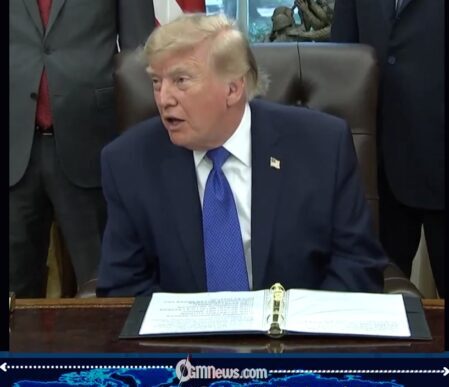
President Trump dismissed the allegations, telling reporters: “The blackout is entirely self-inflicted. The U.S. had no role in this.” American officials suggested that the country’s deteriorating power grid, corruption, and lack of maintenance were the real reasons behind the collapse, not foreign interference.
DAILY LIFE DISRUPTED
Hospitals were forced onto emergency generators, raising concerns about patient safety. Medical staff expressed fear over the fate of those reliant on life-support machines and critical surgeries. Doctors warned that a prolonged power outage could lead to unnecessary deaths and worsen an already fragile healthcare system.
Commuters and small businesses also bore the brunt of the outage. Stranded passengers were left waiting in the dark as transportation systems failed, while traders in open markets reported significant losses as refrigeration systems shut down. The blackout not only halted economic activity but also deepened the sense of despair among citizens already grappling with food shortages and inflation.
INTERNATIONAL RESPONSES
Venezuela’s allies, Russia and China, immediately denounced what they described as “foreign sabotage.” The defense of sovereignty was praised in Moscow and Beijing, where officials urged global resistance to “digital imperialism.” Both nations called for a united front against cyberattacks on national infrastructure, warning that the practice could set a dangerous precedent.
Critics in Europe, however, called for restraint. EU officials requested evidence before lending support to the accusations. Human rights groups urged transparency, stressing that while cyber warfare is a growing threat, citizens should not be left in the dark—literally and figuratively—about the true causes of such disruptions.
CYBER WARFARE DEBATE
The crisis has ignited global debate on cyber warfare. Experts warn that the blackout highlights the dangers of targeting power grids, which are critical to national security. Cybersecurity analysts pointed out that modern infrastructure is increasingly vulnerable to digital attacks, with many systems outdated and ill-prepared to withstand sophisticated hacking attempts.
The situation is being compared to past incidents like the Stuxnet cyberattack on Iran, raising fears of a new digital battleground between major powers. Commentators also stressed that even if the current outage stemmed from domestic mismanagement, the event still serves as a stark reminder of what future conflicts could look like in an era where wars may be fought with keystrokes instead of missiles.
PEOPLE RESPOND WITH ANGER AND RESILIENCE
Citizens voiced anger at both their government and the United States. Many questioned the official narrative but admitted that the suffering was undeniable. Some residents openly doubted Washington’s involvement, attributing the crisis to long-standing corruption and neglect of vital infrastructure. Others, however, expressed suspicion that foreign interference could not be ruled out entirely.
Communities, however, showed resilience. Neighbors organized candlelight vigils to bring light into darkened streets, shared scarce food supplies, and checked on elderly residents who were most vulnerable to the harsh conditions. In some districts, volunteers distributed drinking water and batteries, turning a moment of hardship into one of solidarity.
VENEZUELA UNCERTAIN FUTURE
Venezuela now stands at a crossroads. The government must provide proof of its claims while restoring public trust in its failing power system. Without transparency, suspicions will continue to divide the population between those who blame foreign actors and those who see the crisis as the result of domestic failings.
The tense standoff with Washington could intensify, with cyber warfare now threatening to reshape the balance of power in the region. Whether the blackout was caused by sabotage or neglect, it underscores the fragility of critical infrastructure and the high stakes of modern political conflict.

Casinoabc999? Good Site. The interface is sleek, and there is a lot of stuff to...