
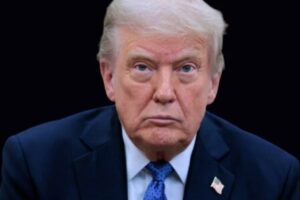


























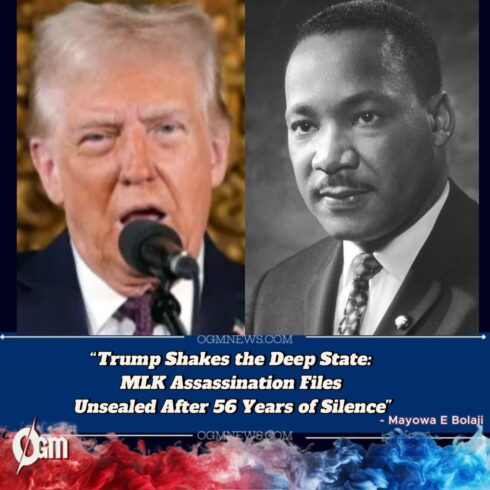
President Donald Trump has ordered the declassification and public release of 230,000 pages of long-withheld federal documents related to the 1968 assassination of Dr. Martin Luther King Jr. The sweeping action, described by transparency advocates as “historic,” aims to resolve persistent public doubts, expose institutional abuses, and bring long-sought clarity to one of the darkest chapters in American history. Legal scholars, historians, and civil rights leaders now brace for the wide-ranging impact of what many are calling the most significant archival disclosure in decades.
President Donald Trump Unlocks the Vaults: Scope of the Declassification
President Donald Trump authorized the full release of documents housed across multiple federal agencies, including the FBI, CIA, DOJ, and the National Archives. In his executive memorandum, Trump stated, “These records belong to the American people, and they have a right to know the full truth about what happened to Dr. King.”
The cache includes surveillance reports, intelligence briefings, memos between high-ranking officials, and thousands of pages from the House Select Committee on Assassinations. National Archivist David Ferriero confirmed that many of these records had been sealed under layers of national security claims spanning over half a century.
Donald Trump Declares: “America Deserves the Truth”
President Donald Trump, speaking from the White House East Room, explained that the release was driven by a fundamental belief in transparency. “For too long, our government has withheld the truth in the name of secrecy. Today, we change that. Dr. King was a hero—not just to America, but to the world—and his story must be told in full.”
This decision follows mounting pressure from civil rights advocates and transparency groups who have lobbied for years for full disclosure. Trump’s executive order overrides prior restrictions placed by intelligence agencies, signaling a bold break from past precedent.
Trump Declassifies Hoover’s Secrets: FBI Surveillance and COINTELPRO
President Trump’s directive included particularly sensitive files that shed light on former FBI Director J. Edgar Hoover’s surveillance and sabotage of Dr. King. Trump remarked, “Americans will now see for themselves the extent to which their government once turned on one of its greatest patriots.”
The documents reveal a systematic campaign under the COINTELPRO operation, aimed at discrediting and intimidating King. These include efforts to blackmail him, discredit his reputation before award ceremonies, and exploit his private life to undermine the civil rights movement.
Donald Trump’s Release Reopens the Question: Was It Really James Earl Ray Alone?
President Donald Trump, responding to long-held conspiracy theories, stated, “This release is not about rewriting history, but about confronting it. If there was more to this assassination than we’ve been told, now is the time to confront that possibility.”
Files raise critical questions about the official account of James Earl Ray as the lone assassin. Newly released evidence includes internal memos from law enforcement expressing doubts about Ray’s timeline, forensic irregularities, and possible connections to organized crime or shadow intelligence actors.
Donald Trump Calls for ‘Moral Accountability’: Legal and Ethical Fallout Begins
President Donald Trump emphasized the potential legal implications of the release, noting, “If these documents reveal wrongdoing—whether by individuals or agencies—America must be ready to confront and correct it.” He called for a renewed Congressional review and transparency-led legal examination.
Civil rights lawyers are already mobilizing. King family attorney Eric Gadson announced that they are seeking Congressional hearings to determine whether negligence or conspiracy played a role in allowing or failing to prevent King’s murder. Lawsuits or public inquiries could follow based on document findings.
Donald Trump Honors King’s Full Legacy Through Transparency
In his statement, Trump said, “By revealing the full picture of Dr. King’s final years, we are not tarnishing his memory—we are honoring it.” He acknowledged that the complexity revealed in these documents only strengthens the moral weight of King’s struggle.
Historians reviewing the files note the emotional and psychological pressure King endured. Far from diminishing his legacy, they argue the revelations underscore his courage, faith, and resilience in the face of institutional betrayal, surveillance, and harassment.
Trump’s Move Sparks Reactions Across Political Lines
President Trump’s decision has been met with bipartisan support and cautious optimism. Trump stated, “This isn’t about politics—it’s about history, integrity, and the truth. Left or right, red or blue, this is a win for all Americans.”
Republican lawmakers hailed the move as a step toward restoring faith in American institutions. Democratic leaders, while crediting Trump’s boldness, urged follow-up actions to declassify other civil rights-era investigations. Grassroots groups and social media commentators expressed relief and validation for long-standing suspicions.
Trump Promises Ongoing Transparency: “We’re Just Getting Started”
President Trump concluded his press conference by declaring that this declassification is only the beginning. “There are other secrets America deserves to know—JFK, Malcolm X, even modern questions about surveillance and government overreach. We will keep unlocking the truth.”
Research institutions are mobilizing to digitize and study the documents. Harvard, Georgetown, and Morehouse College have announced the launch of research initiatives to analyze the materials. Citizen-led digital archives and AI-assisted analysis projects are also emerging, fueling a public movement for archival justice.
Trump’s Legacy and the Future of Historical Transparency
President Trump’s unprecedented declassification may reshape not only the narrative of Dr. King’s death but the very principle of government transparency. “We’ve turned a corner,” Trump said. “No more secrets buried in the name of power.”
Advocates hope this sets a lasting precedent for opening historical files and dismantling the culture of state secrecy. As the nation reflects on Dr. King’s sacrifice and the road to justice, one truth rings clear: history demands clarity, and democracy demands truth.
[…] […]