


























In a dramatic late-night session, the U.S. House of Representatives approved President Donald Trump’s request to rescind over $9 billion in government funding, slashing aid for foreign development programs and public media. The vote came just ahead of a critical midnight deadline on Friday, narrowly passing 216–213 along mostly party lines.
The legislation, known as a “rescissions request,” allows the president to cancel budget authority previously approved by Congress. Without action by the deadline, the funds would have been automatically disbursed. Two Republicans—Reps. Mike Turner of Ohio and Brian Fitzpatrick of Pennsylvania—joined all Democrats in opposing the bill.
Cuts Target Foreign Aid and Public Broadcasting
The approved package rolls back approximately $8 billion earmarked for foreign assistance, including programs under the United States Agency for International Development (USAID). An additional $1 billion was slashed from funding for the Corporation for Public Broadcasting, affecting public radio and television services such as NPR and PBS.
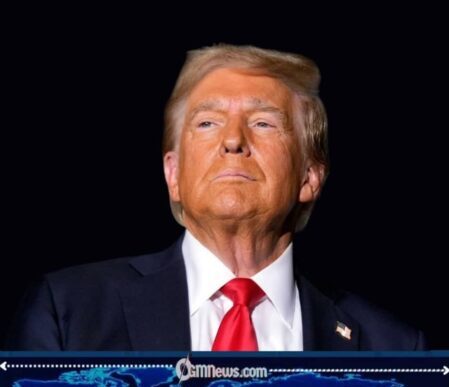
President Trump celebrated the outcome early Friday on Truth Social, calling the vote a historic victory.
“REPUBLICANS HAVE TRIED DOING THIS FOR 40 YEARS, AND FAILED….BUT NO MORE,” he posted. “THIS IS BIG!!!”
Critics, however, warn of dire consequences. Patricia Harrison, president of the Corporation for Public Broadcasting, said the cuts will cripple rural stations and reduce access to vital emergency information.
Epstein Case Looms Over House Debate
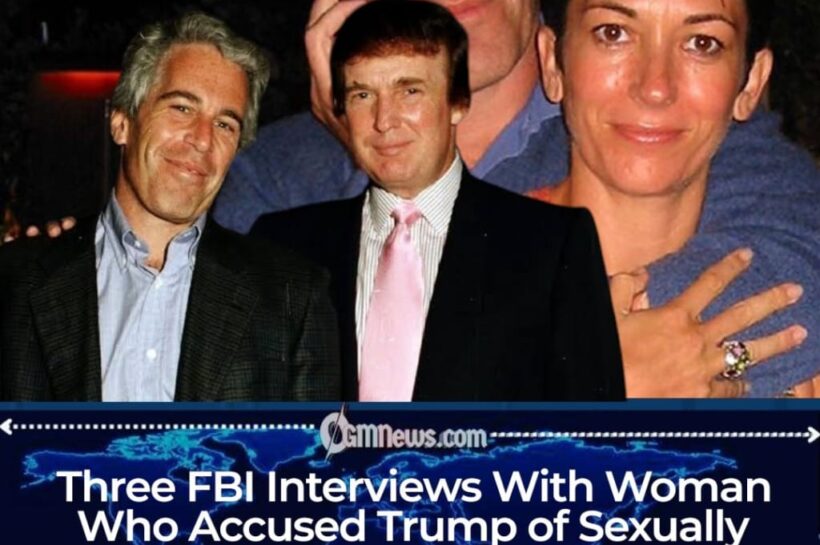
The final House vote was delayed for hours due to heated disputes over the handling of Jeffrey Epstein-related documents. Democrats demanded a floor vote on a bipartisan proposal requiring the Justice Department to release all Epstein files within 30 days, a move Republicans blocked.
Instead, the GOP offered a non-binding resolution lacking legal enforcement. Rep. Jim McGovern (D-MA), the ranking Democrat on the House Rules Committee, dismissed the gesture as “a cover vote,” warning that the Trump administration could simply ignore it.
President Trump has repeatedly referred to renewed Epstein scrutiny as a “hoax,” despite bipartisan calls for transparency. Still, in a surprise late-night move, Trump directed Attorney General Pam Bondi to release grand jury testimony—if permitted by court order.
Senate Approval Follows Narrow Passage and Adjustments
The Senate passed a slightly modified version of the rescissions bill earlier on Thursday after lengthy negotiations. The Senate version reduced the original House cuts by $400 million, following pushback over proposed reductions to a global AIDS prevention program and concerns about emergency broadcasting in rural areas.
Republican Senators Thom Tillis, Susan Collins, and Lisa Murkowski voiced reservations. Collins and Murkowski ultimately voted against the bill, citing procedural concerns and the erosion of Congress’s budgetary role.
“I suspect we’re going to find out there are some things we’re going to regret,” said Tillis, who nonetheless voted in favor.
Political Fallout and Party Divisions Intensify
Though the measure passed, the process revealed deeper fissures within the Republican Party. Trump’s base has shown signs of division over the Epstein file standoff, with some populist conservatives urging full disclosure and others aligning with the president’s framing of the issue as a distraction.
House Speaker Mike Johnson defended his caucus, saying Republicans on the Rules Committee were doing their jobs under heavy criticism.
“They’re trying to move this for the American people,” Johnson said.
However, frustration lingers. The blocked vote on the Massie-Khanna measure for Epstein transparency has energized activists and dissenting lawmakers, some of whom accuse leadership of shielding politically sensitive figures.
What’s Next: Awaiting Trump’s Signature
With both chambers now having passed the measure, the bill heads to President Trump for signature. Though no veto is expected, attention has shifted to the administration’s next steps—particularly whether it will follow through on Trump’s public pledge to release grand jury materials and further Epstein-related files.
As the fallout from the Epstein controversy continues to intersect with major legislative decisions, the rescissions vote marks not just a fiscal turning point but a revealing snapshot of the political tensions gripping Capitol Hill in Trump’s second term.
[…] […]