



















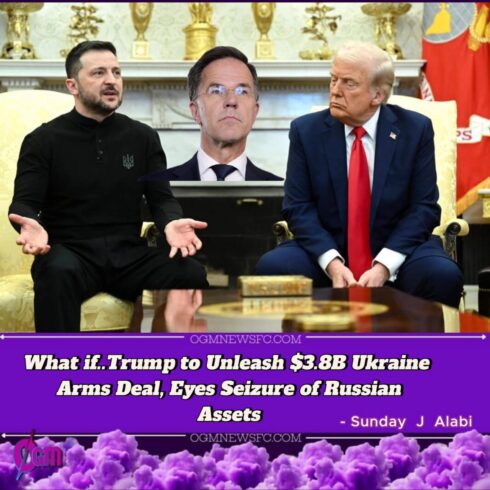
WASHINGTON, D.C. — President Donald Trump is scheduled to meet with NATO Secretary General Mark Rutte in Washington this week, marking a crucial moment in U.S.-NATO coordination as the alliance braces for intensified military and economic responses to Russia’s ongoing invasion of Ukraine.
The visit, which includes meetings with Secretary of State Marco Rubio, Defense Secretary Pete Hegseth, and members of Congress, comes just days after Trump announced plans to sell advanced U.S.-made weapons to NATO allies. The goal: accelerate delivery of critical arms to Ukraine by enabling allies to quickly transfer existing systems while restocking their inventories with American replacements.
Accelerating Arms Transfers to Ukraine Through NATO Partners
President Trump signaled a significant policy shift by indicating that the United States will sell weapons directly to NATO allies, who in turn can supply them to Ukraine. This approach is expected to bypass traditional logistical delays, with U.S. allies in Europe transferring systems already stationed on the continent.
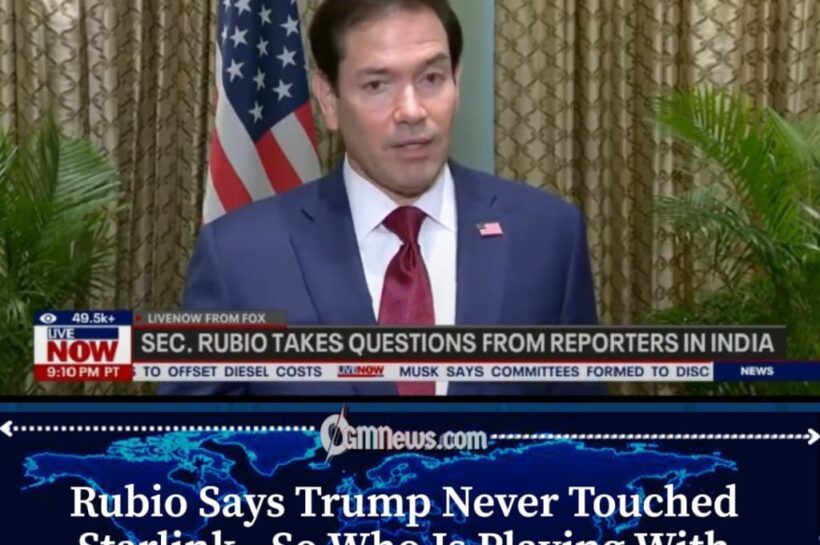
Senator Marco Rubio emphasized the practical benefits of this approach during a recent briefing: “It’s a lot faster to move something from Germany to Ukraine than to ship it from a factory in Texas.” Trump has already confirmed the U.S. will send additional Patriot missiles, though he has not specified how many.
Defense and congressional officials view the sale of weapons to NATO for Ukrainian use as a strategic move to maintain momentum in Kyiv’s defensive capabilities, especially as Russian forces intensify aerial assaults across eastern Ukraine.
Trump to Unveil ‘Major Statement’ on Russia and Ukraine Policy
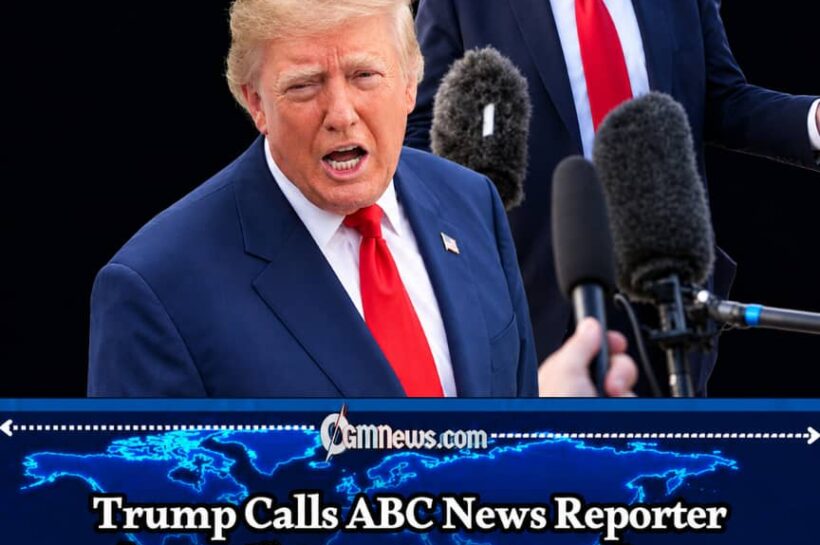
President Trump is expected to deliver a “major statement” on Russia this week, a declaration that could define the next phase of U.S. engagement in Ukraine’s defense. Speaking alongside Israeli Prime Minister Benjamin Netanyahu on Monday, Trump hinted at a new wave of arms shipments and policy measures.
“We’re going to send some more weapons. We have to. They have to be able to defend themselves,” Trump said, underscoring a renewed commitment to Ukraine’s sovereignty.
Multiple diplomatic sources suggest Trump is also weighing fresh military funding for Ukraine—the first since taking office in January. Reports indicate he could activate up to $3.85 billion in unspent presidential drawdown authority left over from the Biden administration.
Congressional Push for Sweeping Economic Sanctions on Russia
Meanwhile, bipartisan lawmakers are rallying behind legislation that would authorize unprecedented economic pressure on Russia and its trading partners. Senators Lindsey Graham and Richard Blumenthal are spearheading a bill that would empower President Trump to impose tariffs of up to 500% on nations that continue importing Russian energy or support Moscow’s war effort.
“This is truly a sledgehammer available to President Trump to end this war,” Graham said on CBS’s Face the Nation. The senator noted that the bill provides maximum flexibility, allowing Trump to scale tariffs between 0% and 500% depending on compliance.
The sanctions package has broad support in the Senate, with European allies reportedly urging swift passage during recent transatlantic discussions. Blumenthal called it a “critical moment” for economic retaliation, stating, “Bringing down this sledgehammer was emphasized by all of the European allies who were at the meeting.”
Calls to Seize Russian Assets and Fund Ukraine’s Defense
As the conflict enters a volatile phase, U.S. officials are revisiting long-dormant powers to seize Russian state assets held abroad. Sources told CBS News that Trump is considering utilizing the REPO Act, which would allow the U.S. to take control of approximately $5 billion in frozen Russian government assets and redirect those funds to support Ukraine.
While the Biden administration had refrained from exercising this authority, Trump’s national security team is reportedly assessing the legal and diplomatic framework necessary to trigger asset seizures.
“This is about sending a message,” a senior diplomatic source said. “Using seized Russian assets to fund Ukraine’s defense would not only help on the battlefield—it would also demonstrate that the Kremlin’s aggression carries real consequences.”
European Diplomacy and Senate Unity Shape the Path Ahead
Secretary General Rutte’s visit is widely seen as a sign of intensified coordination between Washington and Brussels. Both the White House and Capitol Hill are preparing for a pivotal moment in Ukraine policy—one that blends military urgency with economic might.
Senator Graham confirmed he and Blumenthal will meet Rutte on Monday to finalize support for the sanctions legislation and discuss Europe’s role in supplying Ukraine with additional weaponry. “A turning point regarding Russia’s invasion of Ukraine is coming,” Graham declared.
With Trump’s endorsement, the sanctions package and arms transfers are expected to move swiftly through Congress, cementing U.S. leadership in the NATO alliance and signaling renewed determination to blunt Russian aggression through forceful and coordinated action.
America’s Role Reasserted on the World Stage
President Trump’s meetings with NATO leadership and congressional allies this week will likely define the trajectory of Western support for Ukraine in the months ahead. With arms deals, sanctions, and potential asset seizures on the table, the U.S. is poised to reassert its role as the strategic linchpin in Europe’s response to Putin’s war.
Observers say the coming days could mark a shift from caution to confrontation as Trump charts a bold new course in transatlantic defense and deterrence.


https://webtoolsreview.substack.com/p/why-screenshots-arent-the-best-way