
























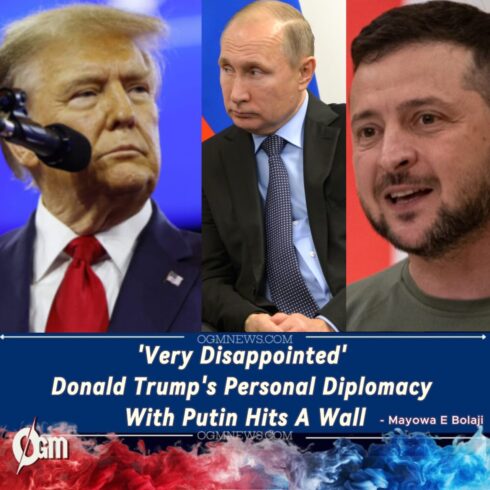
President Donald Trump has voiced his “deep disappointment” following a recent diplomatic phone conversation with Russian President Vladimir Putin earlier this week, saying that there is currently no evidence to suggest Russia is willing to end the ongoing war in Ukraine. The remarks mark a shift from Trump’s earlier optimism that he could personally broker a resolution to the conflict.
The White House is now recalibrating its stance amid increasing geopolitical uncertainty and a potential escalation in Eastern Europe. Trump began his remarks during a Thursday morning press briefing with blunt honesty. “I’m very disappointed,” he said, referring to his latest call with Russian President Vladimir Putin. According to Trump, the conversation—expected to bring new momentum for ceasefire talks—revealed no shift in Moscow’s hardline posture.
Trump had previously claimed that his personal diplomacy with Putin could resolve the Ukraine crisis “in 24 hours.” But following the call, the president admitted the Kremlin appears entrenched. “There’s no indication that Russia intends to halt the war,” he said, casting doubt on his administration’s ability to quickly de-escalate the conflict.
Diplomatic Optimism Fades Inside Trump Administration
In recent months, senior White House aides had signaled cautious optimism that Trump could leverage his rapport with Putin to end the war. However, insiders now suggest that those expectations have been severely dampened. Sources close to National Security Advisor Robert O’Brien say the administration is entering “a more sobering phase of diplomacy.”
White House Press Secretary Kayleigh McEnany confirmed that while dialogue with Russia remains open, the administration no longer anticipates a “rapid breakthrough.” McEnany added, “We remain committed to pursuing peace, but we must also be realistic about Putin’s intentions.”
Kremlin Statement Contradicts U.S. Position
Shortly after the White House released its statement, the Kremlin issued its own readout of the call, suggesting a “constructive discussion” took place. The Russian government claimed that both leaders had agreed to “further dialogue” and mutual cooperation on European security.
However, this framing was sharply rejected by U.S. officials. “There was no agreement to any joint framework or timeline,” a senior State Department official clarified. The discrepancy in statements highlights the growing communication chasm between Washington and Moscow.
Ukraine’s Zelenskyy Responds: ‘Now Is Not the Time for Doubt’
Ukrainian President Volodymyr Zelenskyy swiftly responded to Trump’s remarks, thanking the U.S. for its continued support but warning that wavering resolve could embolden Russian aggression. “Now is not the time for doubt or fatigue. Ukraine still stands, and we still fight,” Zelenskyy stated in a video address.
Analysts suggest that Trump’s public expression of disappointment may cause anxiety in Kyiv, which heavily relies on U.S. military aid and diplomatic backing. Nevertheless, Ukrainian officials maintained a defiant tone, asserting that “victory is still achievable with consistent Western support.”
GOP Hawks Urge Stronger Posture Against Moscow
Several prominent Republican lawmakers expressed concern about Trump’s remarks, urging the president to adopt a tougher stance toward Putin. Senator Lindsey Graham (R-SC) stated that “Putin must feel pressure, not pity,” calling for additional sanctions and military shipments to Ukraine.
In the House, Representative Elise Stefanik (R-NY) called on the Trump administration to avoid projecting weakness. “Disappointment is not enough,” she said. “We need decisive action to deter further Russian aggression and protect American interests abroad.”
OGMNews.COM
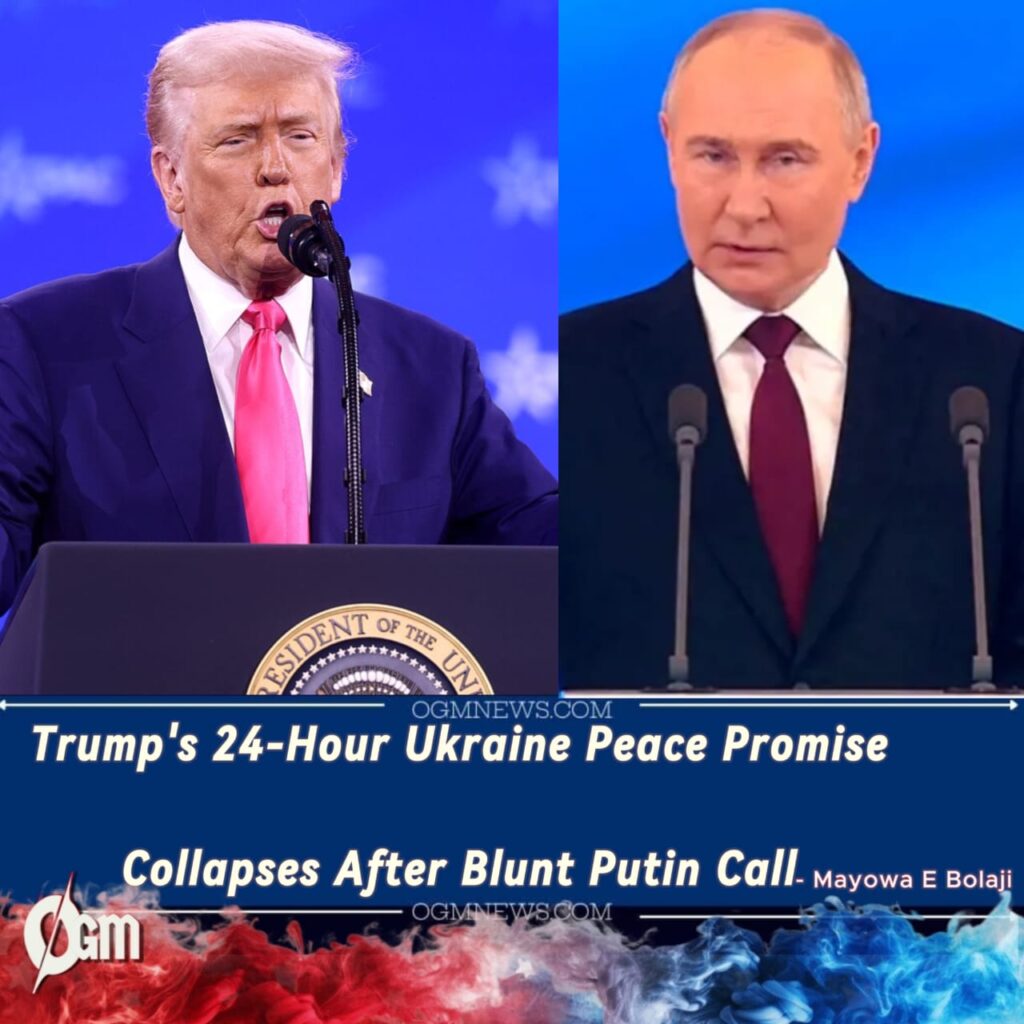
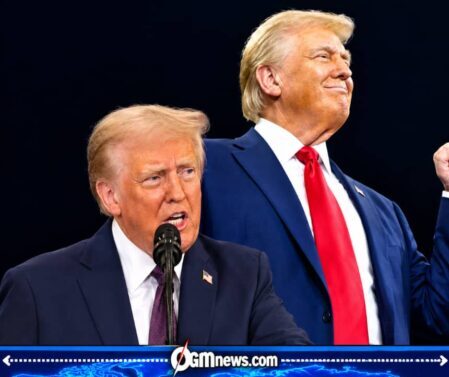
Donald Trump Admits Putin Won’t Budge—Ukraine Peace Plan in Shambles
Across the aisle, Democrats warned that Trump’s shifting tone on Ukraine could confuse both allies and adversaries. Senate Majority Leader Chuck Schumer criticized the administration’s “erratic messaging,” arguing that it undermines global confidence in U.S. leadership.
House Foreign Affairs Committee Ranking Member Gregory Meeks added, “We must speak with clarity. If we’re serious about peace, we must also be serious about consequences for those who prolong war. Putin hears every word we say.”
U.S. Intelligence: No Indicators of Russian Retreat
According to a recent intelligence briefing shared with congressional leaders, U.S. agencies have found “no credible evidence” that Russia plans to de-escalate its military operations in Ukraine. On the contrary, reports suggest Moscow is mobilizing reserves and accelerating weapons production.
A senior intelligence analyst noted that “Russia’s battlefield posture remains offensive, not defensive.” The Department of Defense echoed this assessment, indicating that Putin continues to pursue military objectives in Eastern Ukraine with little regard for ceasefire negotiations.
International Allies Brace for Prolonged Conflict
Leaders across NATO and the EU responded to Trump’s remarks with concern. French President Emmanuel Macron called for “urgent strategic unity” among Western allies, while German Chancellor Annalena Baerbock warned that “peace is not possible without pressure.”
Meanwhile, the United Kingdom’s Prime Minister reiterated London’s “unwavering commitment” to Kyiv, announcing another £500 million in military assistance. “We stand ready with our partners, even if this war drags on longer than anyone hoped,” the Prime Minister declared.
What Next for Trump’s Ukraine Policy?
The coming weeks will be crucial in determining whether President Trump pivots toward a harder stance or continues to seek diplomatic openings. Analysts suggest the administration is weighing new sanctions on Russian defense firms and an expanded arms package for Ukraine.
Trump concluded his briefing with a message aimed at both allies and adversaries: “America still leads the free world. But that world must stay united if peace is ever to come.” Whether that unity can hold, however, remains to be seen in the shadow of a deepening war.
[…] […]