














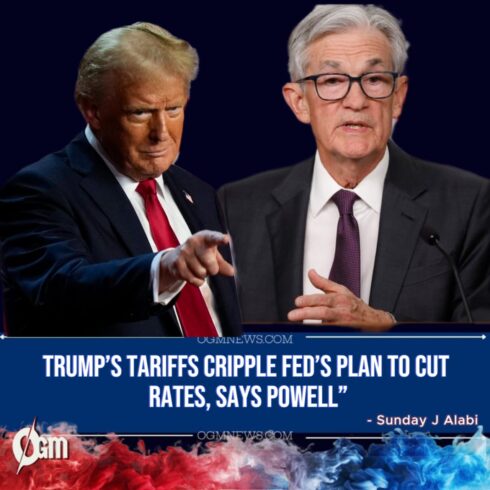
Federal Reserve Chair Jerome Powell said Tuesday that the U.S. central bank has delayed cutting interest rates this year, citing inflationary pressures tied directly to President Donald Trump’s tariffs on key trading partners. Speaking at the European Central Bank’s annual forum in Portugal, Powell emphasized that the Federal Reserve opted to pause its rate adjustments in response to the inflationary impact of the Trump administration’s tariff policies.
The remarks come as tensions between the White House and the Federal Reserve intensify, with President Trump repeatedly criticizing Powell and the Fed for refusing to lower rates in the face of rising costs for American consumers and businesses.
Powell Blames Tariffs for Interest Rate Delay
Powell was direct when asked whether the Federal Reserve would have already cut rates this year if not for the administration’s steep tariffs. “I think that’s right,” Powell responded, confirming that the Fed went on hold after assessing the scale of the tariffs.
“In effect, we went on hold when we saw the size of the tariffs, and essentially all inflation forecasts for the United States went up materially as a consequence,” Powell explained. “So we didn’t overreact — in fact, we didn’t react at all. We’re simply taking some time.”
The Fed chair noted that while tariffs haven’t yet heavily impacted the broader U.S. economy, they remain a looming threat. Powell warned that the inflationary effects of the tariffs are likely to materialize more fully later this summer.
White House Stands by Tariffs Amid Fed Criticism
The White House has yet to issue an official response to Powell’s comments. However, administration officials have consistently defended the tariffs as a vital tool to revive the U.S. manufacturing sector, ensure fair trade agreements, and combat pressing domestic challenges, including the flow of unauthorized immigrants and fentanyl into the country.
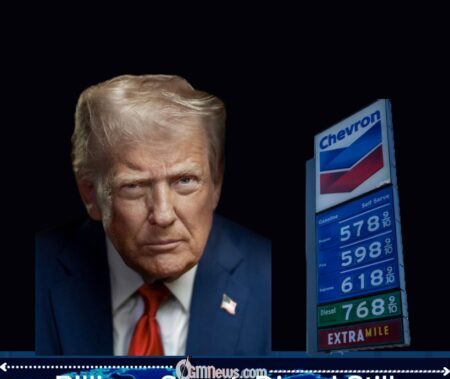
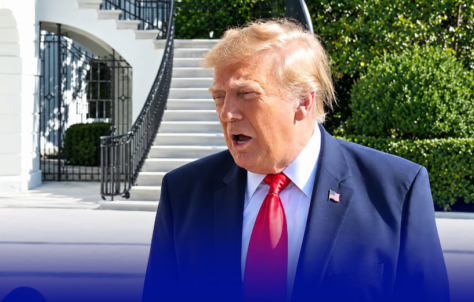
President Trump, a vocal critic of Powell in recent months, has argued that the Fed’s refusal to ease interest rates has placed unnecessary strain on American consumers and businesses. On Monday, Trump posted on Truth Social that Fed officials “should be ashamed of themselves” for not acting sooner to lower rates.
Tensions Between Trump and Powell Escalate
This latest exchange adds to a growing rift between the president and the central bank. Trump has publicly questioned whether he can legally remove Powell from his position — a move most legal scholars say is constitutionally dubious.
In June, the president mused openly about firing Powell, reigniting debates over the Fed’s independence. Despite the pressure, Powell has reiterated that the Federal Reserve’s decisions are not made unilaterally. Interest rates are set by the Federal Open Market Committee (FOMC), a 12-member panel tasked with guiding U.S. monetary policy.
OGMNews.COM
Trump Tariffs Stall Interest Rate Cuts, Says Fed Chair Powell
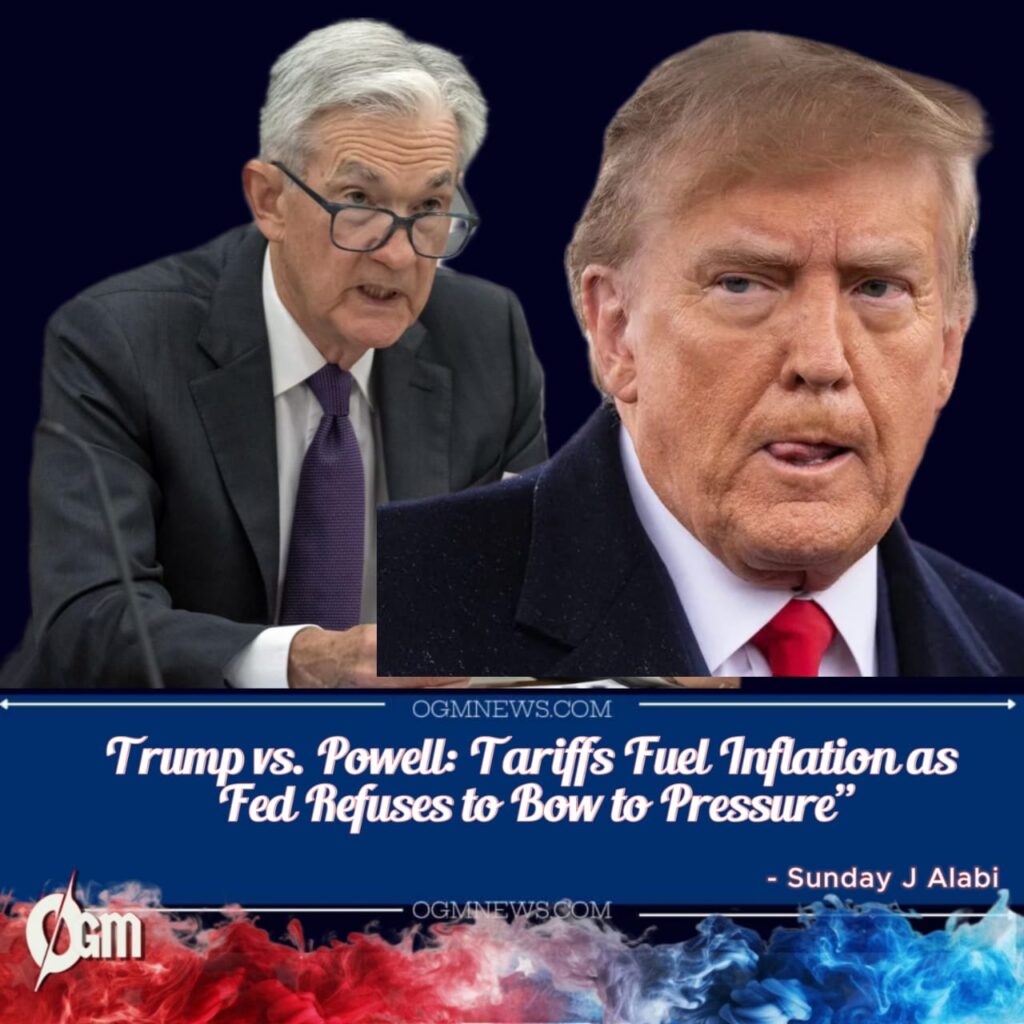
At its last meeting on June 18, the FOMC voted to keep the federal funds rate unchanged for the fourth consecutive time. Powell emphasized Tuesday that the Fed will continue monitoring the economic effects of the tariffs before making any policy shifts.
“As long as the economy is in solid shape, we think the prudent thing to do is to wait and see what those effects might be,” Powell told attendees at the ECB forum. He stressed that the central bank remains committed to balancing inflation risks with the goal of sustaining economic growth.
Powell Defends Fed’s Independence from Political Pressure
In his remarks, Powell also underscored the critical importance of insulating the central bank from political influence. “We’re trying to deliver macro stability, financial stability, and economic stability for the benefit of all the people,” he stated.
“If we’re going to do that successfully, we need to do it in a completely nonpolitical way, which means we don’t take sides, we don’t play one side against the other, and we stay out of issues that are really not our bailiwick,” Powell said.
Powell’s current term as Federal Reserve chair runs through May 15, 2026, meaning he is likely to serve through the remainder of Trump’s second term — unless unprecedented legal actions are taken.
Conclusion: Markets Brace for Impact
As the clash between the Trump administration’s trade policies and the Federal Reserve’s cautious monetary stance deepens, markets are left to navigate growing uncertainties. Investors now await the Fed’s next move amid rising inflation, geopolitical trade tensions, and an intensifying power struggle between the executive branch and the central bank.
Whether the tariffs ultimately deliver the economic benefits touted by the White House or trigger the inflation risks flagged by Powell remains a question that could define the trajectory of the U.S. economy in the months ahead.
https://webtoolsreview.substack.com/p/why-screenshots-arent-the-best-way