



























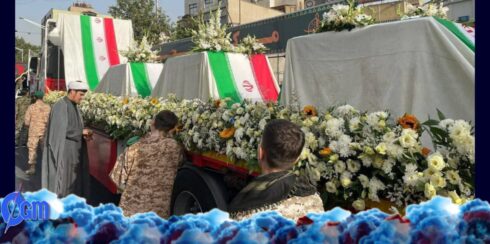
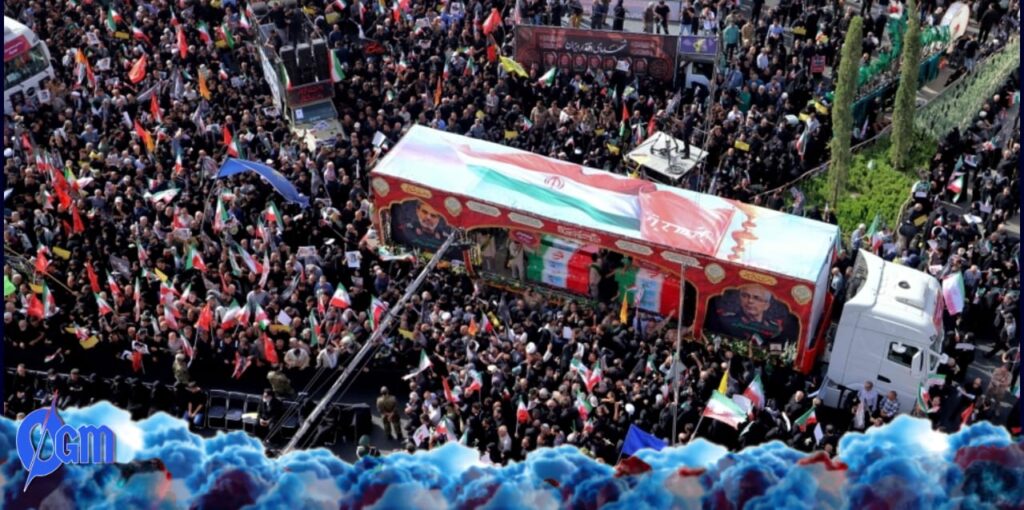
A massive state funeral is underway in Iran for more than 60 individuals, including top military commanders and nuclear scientists, who were killed during the recent 12-day conflict with Israel. The funeral, held near Enghelab Square in central Tehran, drew tens of thousands of mourners dressed in black, waving Iranian flags and chanting slogans against the U.S. and Israel.
Coffins draped in the Iranian flag, some adorned with portraits of senior commanders, were carried through the streets amid cries of “Death to America” and “Death to Israel.” The somber event comes just days after a fragile ceasefire was brokered, ending the latest round of hostilities that saw unprecedented U.S. military involvement, including strikes on Iran’s key nuclear facilities.
Honoring Iran’s Highest Military Officer and Top Officials
Among those being laid to rest is General Mohammad Bagheri, Iran’s chief of staff and the highest-ranking military officer in the country. Bagheri, a central figure in Iran’s military strategy, was reportedly killed in an Israeli airstrike that targeted military command centers.
Also being buried is General Hossein Salami, commander-in-chief of the Islamic Revolutionary Guard Corps (IRGC), whose death marks a devastating blow to Iran’s military leadership. Alongside them are several nuclear scientists, including Mohammad Mehdi Tehranchi, a prominent physicist and president of Azad University in Tehran. Their deaths have ignited national grief as well as intensified anti-U.S. and anti-Israel sentiments.
Aftermath of Conflict: Trump’s Threats Fuel Tensions
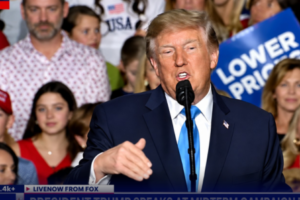
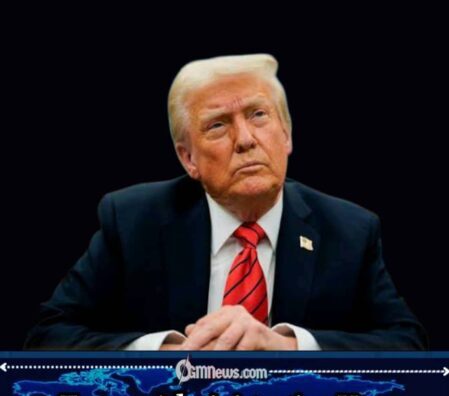
The funeral follows incendiary remarks from U.S. President Donald Trump, who, during a White House press briefing, declared that he would “without question” consider bombing Iran again if intelligence suggested that Tehran was enriching uranium to dangerous levels. Trump’s comments came as he defended the U.S. decision to bomb Iranian nuclear facilities during the conflict.
On his Truth Social platform, Trump claimed that Iran’s Supreme Leader, Ayatollah Ali Khamenei, falsely declared victory in the war. Trump wrote, “Why would the so-called ‘Supreme Leader’… say so blatantly and foolishly that he won… when he knows his statement is a lie?” The president further boasted that he knew “exactly where [Khamenei] was sheltered” during the strikes and that he prevented an attack that could have resulted in Khamenei’s death.
OGMNews.COM
Iran Holds State Funeral for Top Military Leaders and Scientists Killed in Israel Conflict
Iran’s foreign minister, Abbas Araghchi, swiftly condemned President Trump’s remarks as “disrespectful and unacceptable.” Posting on X (formerly Twitter), Araghchi warned that Iran’s leadership and its people would not tolerate threats or insults. “If President Trump is genuine about wanting a deal, he should put aside the disrespectful tone towards Iran’s Supreme Leader,” he said.
Despite Tehran’s defiant rhetoric, Araghchi admitted that the U.S. and Israeli strikes had caused “excessive and serious” damage to several key nuclear facilities. However, Khamenei, in a televised address, downplayed the effectiveness of the bombings, insisting that Iran’s nuclear program remained intact and that the so-called victory of Israel and the U.S. was “an illusion.”
A Fragile Ceasefire Amid Escalating Rhetoric
The funeral proceedings underscore the deep scars left by the conflict, which escalated to unprecedented levels when the U.S. directly intervened alongside Israel. While the ceasefire remains in place, experts warn it is precarious, with tensions aggravated by the rhetoric from both Washington and Tehran.
International observers fear that the recent funerals, coupled with inflammatory statements from both sides, could reignite the conflict at any moment. As the mourners in Tehran continue to chant defiant slogans, the world watches anxiously to see whether diplomacy can prevent another descent into war in the already volatile Middle East.


Casinoabc999? Good Site. The interface is sleek, and there is a lot of stuff to...