






























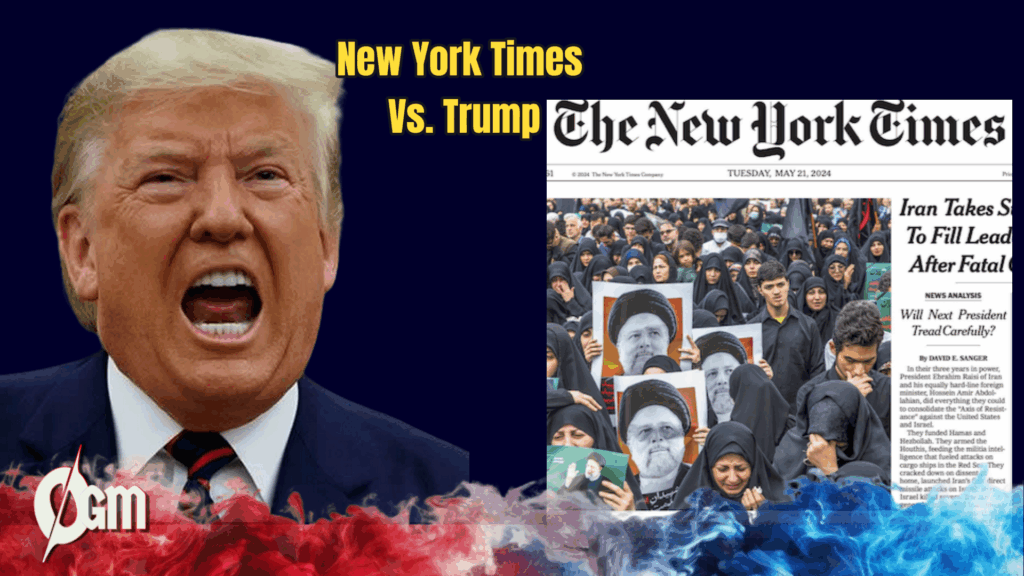
President Trump has launched an all-out attack on The New York Times and CNN, accusing them of publishing “false and sick” reports regarding the U.S. strikes on Iran’s nuclear infrastructure. The president’s fury was sparked by articles referencing a preliminary Defense Intelligence Agency (DIA) assessment suggesting that the strikes merely set back Iran’s nuclear program by a few months rather than permanently crippling it.
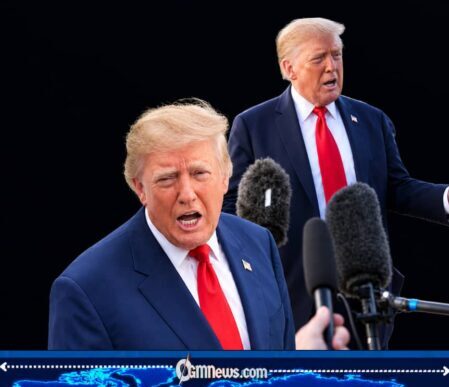
Trump’s demands for a public apology and retraction from New York Times have reverberated through Washington and the media landscape. In a characteristically forceful tirade, he called for CNN reporter Natasha Bertrand to be fired and labeled the journalists involved as “bad and sick people,” further stoking tensions between the White House and major media outlets.
Media Organizations Stand Firm Against White House Pressure
Despite the president’s threats and harsh rhetoric, The New York Times and CNN remain unwavering. The Times’ senior newsroom attorney, David McCraw, stated flatly, “No retraction is needed. No apology will be forthcoming.” This categorical refusal underscores the outlets’ confidence in the integrity and accuracy of their reporting.
CNN echoed this sentiment, reiterating that its story clearly presented the DIA’s intelligence as “preliminary” and “low-confidence.” Both organizations stressed that their coverage was responsibly framed, accurately reflecting the complex and evolving nature of intelligence assessments.
New York Times Vs. Trump: Legal Threats Escalate the Battle
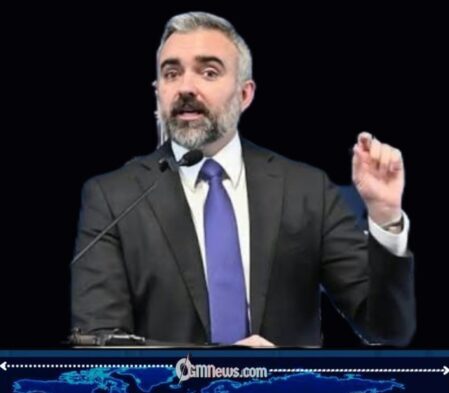
President Trump’s legal team, led by attorney Alejandro Brito, has threatened defamation lawsuits against The New York Times. Brito called the reports “false,” “defamatory,” and “unpatriotic,” suggesting that the stories undermined national security and harmed public trust.
The Times, however, remains defiant. McCraw emphasized that the newspaper’s reporting was based on official assessments and thoroughly vetted before publication. He insisted that the lawsuit threats were merely an attempt to intimidate and silence independent journalism, rather than a genuine grievance over factual inaccuracies.
Defense Officials Offer Mixed Messages
Defense Secretary Pete Hegseth defended the operation as a “resounding success,” dismissing media coverage of the DIA report as biased and misleading. Hegseth accused outlets like The New York Times and CNN of undermining American strategic interests by focusing on what he called “low-confidence” intelligence leaks rather than the broader objectives of the mission.
Meanwhile, officials within the CIA and Office of the Director of National Intelligence (DNI) have acknowledged that the DIA’s initial assessment was indeed a preliminary one. They maintain that while the strikes achieved some immediate tactical goals, the longer-term impact on Iran’s nuclear program is still being evaluated.
OGMNews.COM
New York Times to Trump: We Won’t Bow to Your Iran Narrative — No Apology, No Retreat
Intelligence assessments are, by nature, fluid and often presented in stages of confidence levels. The public’s understanding of national security events is shaped by these early analyses, which are updated as new information emerges.
The New York Times and CNN clearly labeled the DIA assessment as preliminary, maintaining journalistic integrity by not presenting it as definitive. Experts agree that it is the duty of a free press to report on these assessments, providing context and transparency rather than simply echoing official government statements.
New York Times’ Editorial Standards and Legal Safeguards
Major news organizations follow rigorous editorial processes to ensure accuracy, especially when covering sensitive national security matters. Articles undergo extensive fact-checking, legal reviews, and multiple rounds of editorial scrutiny before publication.
David McCraw reaffirmed that The New York Times’ Iran strike report passed all internal checks and legal reviews, signaling robust confidence in its veracity. By standing by its story, The Times is defending not just its own reputation but also broader press freedoms under attack.
Transparency as a Pillar of Responsible Journalism
Language matters in reporting, especially on topics involving intelligence and military operations. The Times and CNN carefully included terms such as “preliminary assessment,” “low-confidence,” and “according to U.S. officials,” providing essential nuance to readers.
This linguistic transparency allows the public to better understand the provisional nature of the information. It also demonstrates an ethical commitment to honesty, even at the cost of provoking powerful political backlash.
New York Times Navigates Public Trust Versus Political Narrative
President Trump’s demands for apologies and retractions appear less about correcting errors and more about controlling the narrative surrounding his administration’s foreign policy achievements. By discrediting critical reporting, he seeks to consolidate support and shield the administration from inconvenient truths.
However, the press serves as a critical watchdog in a democratic society, tasked with questioning government claims and presenting the full scope of information available to the public. In this case, the refusal to issue an apology embodies a deeper defense of journalistic independence.
New York Times End-Road: A Standoff Symbolizing Press Freedom
The standoff between President Trump and The New York Times symbolizes a larger battle over the role of the press in American democracy. At stake is not merely a single article about Iran but the foundational principle that the press must remain free to challenge, question, and investigate without fear of reprisal.
For now, The Times has made its position clear: President Trump will have to wait “till thy kingdom come” for an apology that, in their view, is neither warranted nor forthcoming. This unwavering stance underscores the importance of a robust and independent press — a cornerstone of a healthy democracy.

Logging in is a breeze and the site stability is amazing even during peak hours....