

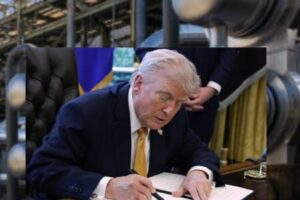


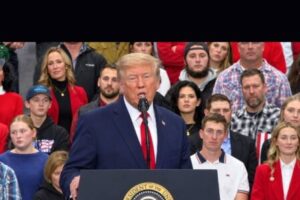
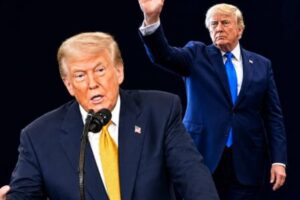



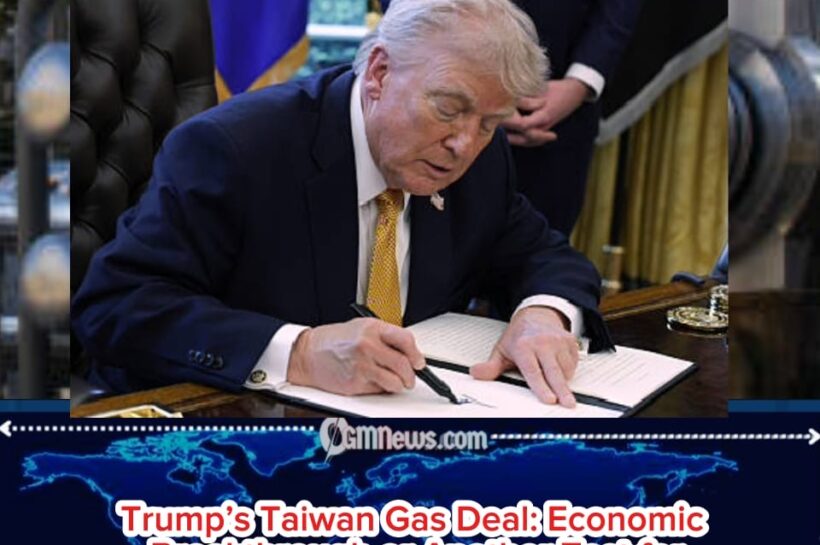
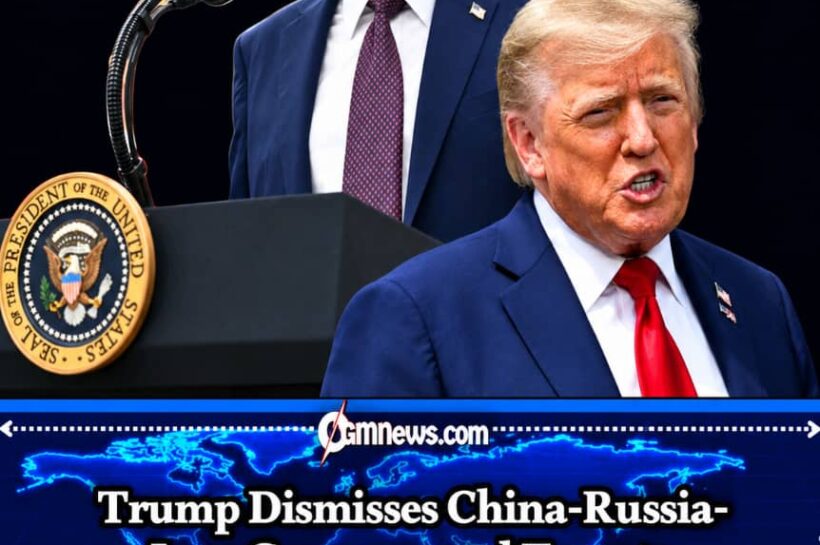

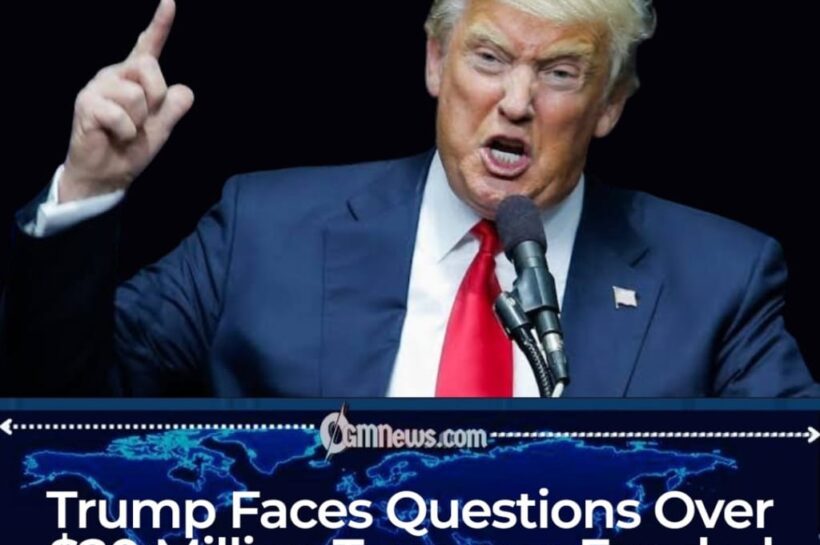




President Donald Trump on Friday openly suggested he might reconsider his position on firing Federal Reserve Chair Jerome Powell, reigniting tensions with the central bank leader amid growing frustration over interest rate policy.
In a fiery post on Truth Social, the president called Powell a “Total and Complete Moron” and floated the idea of removing him from office, writing, “Maybe, just maybe, I’ll have to change my mind about firing him?” Trump, who originally appointed Powell during his first term, also noted the Fed chief’s term ends in 2026, adding ominously, “But regardless, his Term ends shortly!”
The comment comes just days after the Fed voted to hold interest rates steady, defying Trump’s repeated demands for aggressive rate cuts. The president’s latest remarks mark a dramatic escalation in his long-running feud with Powell, whom he also referred to as a “dumb guy” and “numbskull.”
Legal Gray Area Clouds Donald Trump’s Firing Threat
While Trump’s comments have stirred alarm, legal experts caution that removing Powell before his term ends would likely spark a constitutional showdown. Federal Reserve governors are protected by laws allowing removal only “for cause,” a standard that has rarely been tested.
Last month, the Supreme Court ruled that the administration could remove members of independent federal agencies, but pointedly exempted the Federal Reserve, labeling it a “uniquely structured, quasi-private entity.” This distinction limits Trump’s authority and raises the likelihood of a court battle if he acts.
Powell, for his part, has remained defiant. He said last year he would not resign if pressured to do so and has given no indication that he intends to leave before 2026. The Fed declined to comment on Trump’s latest outburst.
Donald Trump’s Frustration Rooted in Economic Strategy
Donald Trump’s anger stems from the Fed’s continued reluctance to cut interest rates. The Federal Open Market Committee (FOMC), chaired by Powell, has kept its benchmark rate unchanged throughout 2025 after reducing it slightly from a 20-year high at the end of 2024.
While Trump insists rate cuts are urgently needed to stimulate the economy and boost growth, the Fed has taken a more cautious approach, citing lingering inflation concerns. Despite some improvement, inflation remains above the central bank’s 2% annual target — a metric Powell says must guide policy decisions.
In contrast, Trump believes inflation is no longer a threat and insists rate cuts now would accelerate economic gains ahead of the November election. He mocked Powell’s caution, calling him “Mr. Too Late” and suggesting the Fed could simply raise rates again if inflation returned — an approach at odds with standard monetary policy.
OGMNews.COM
Total Moron”: Donald Trump Lashes Out at Fed Chair Powell, Hints at Firing Amid Rate Fight
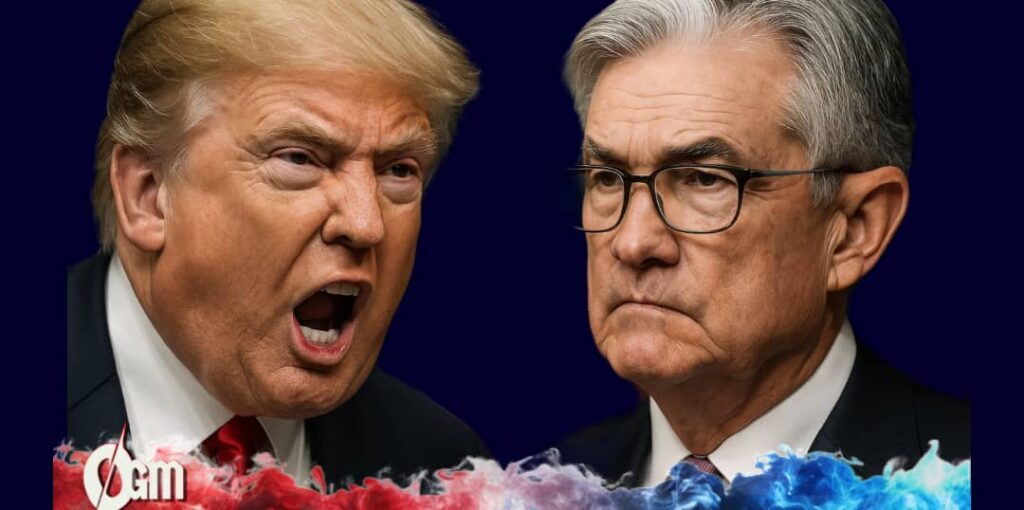
This isn’t the first time Trump has clashed with Powell. During his first term, the president regularly criticized the Fed for rate hikes in 2018, even exploring the legality of demoting Powell in 2019. However, Trump later praised the Fed for cutting rates during the COVID-19 crisis, calling Powell his “most improved player.”
Now in his second term, Trump’s criticisms have grown more personal and volatile. On Friday, he said he had tried everything from being “nice” to being “nasty” with Powell to get results. “Nice and neutral didn’t work!” he fumed, alleging Powell is an “obvious Trump Hater” unworthy of his position.
These barbs come as Trump leans more heavily on populist economic rhetoric in his reelection bid, seeking to contrast his economic record with Democratic opponents and blaming Powell’s restraint for slowing growth and limiting credit access.
Fed’s Independence Under Political Pressure
Donald Trump’s remarks raise concerns about the independence of the Federal Reserve — a cornerstone of modern U.S. economic policy. The central bank is designed to operate free of political interference, and past presidents have typically refrained from public pressure campaigns against the chair.
Economists warn that undermining the Fed’s credibility could have long-term consequences for inflation expectations, investor confidence, and market stability. “When presidents attack the Fed, it politicizes monetary policy and can destabilize the economy,” said one former Fed official.
Still, Trump’s critiques resonate with parts of his base who blame inflation and high borrowing costs for economic hardship. With the election nearing, his fight with Powell may serve dual purposes — pressuring the Fed and reinforcing a campaign narrative of elite mismanagement.
Outlook: Political Motives, Economic Stakes, Legal Barriers
Despite his harsh words, it’s unclear whether Donald Trump will actually move to oust Powell. The legal hurdles remain formidable, and doing so could spark a political backlash and market upheaval. But as inflation concerns linger and interest rates remain unchanged, Trump’s pressure campaign is unlikely to relent.
The drama underscores a central tension of Trump’s second term: balancing his instinct for confrontation with the institutional limits of American governance. Whether Powell survives the term or is forced into a court battle may become a defining subplot of the 2025 economic landscape.
For now, one thing is certain — the war of words between the White House and the Fed is far from over.
Finding a reliable crypto betting site can be tricky, but this platform makes the whole...