











A federal judge on Friday issued a preliminary injunction against the Department of Homeland Security (DHS), effectively halting the Trump administration’s attempt to strip Harvard University of its ability to enroll international students. U.S. District Judge Allison Burroughs ruled that the government cannot revoke Harvard’s certification in the Student and Exchange Visitor Program (SEVP) while litigation proceeds.
This ruling follows a temporary restraining order previously granted by the court in May, shielding Harvard from a DHS move triggered by the school’s alleged failure to curb antisemitic incidents on campus. The administration claimed that Harvard had “lost the privilege” to admit foreign students, but the court concluded that such an action could cause irreparable harm to both the institution and affected students.
Trump Signals Imminent Settlement with Harvard
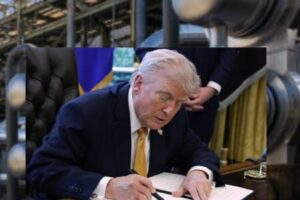
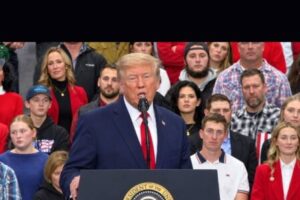
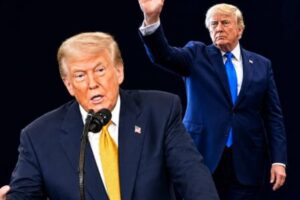
Just minutes after Judge Burroughs’ ruling was published, President Trump took to Truth Social to suggest a breakthrough was near. “It is very possible that a Deal will be announced over the next week or so,” Trump posted, commending Harvard for acting “extremely appropriately during these negotiations.”
While Trump did not detail the terms of the possible agreement, he hinted at a “mindbogglingly HISTORIC” resolution that would be beneficial to the United States. Sources familiar with the talks suggest that the agreement could involve Harvard using part of its $53 billion endowment to offset reduced federal support, although no formal proposal has been made public.
Harvard Defends Academic Freedom Amid Political Pressure
In response to Friday’s court victory, Harvard released a measured statement affirming its commitment to international education and the rule of law. “The Court order allows Harvard to continue enrolling international students and scholars while the case moves forward,” a university spokesperson said. “Harvard will continue to defend its rights—and the rights of its students and scholars.”
Harvard’s lawsuit, filed in May, argues that DHS’s actions violate First Amendment protections and represent unconstitutional retaliation against the school’s political stances, particularly its handling of campus protests related to Israel and Palestine. The administration had also pressured Harvard to abandon diversity and equity programs and submit to outside audits of academic departments.
OGMNews.COM
Federal Judge Halts Trump’s Student Visa Ban as Harvard Awaits Potential Deal
Harvard is not alone in facing federal scrutiny. Columbia University was subjected to similar pressure earlier this year and ultimately agreed to certain policy changes after the State Department froze a $400 million grant. The Trump administration has consistently framed its actions as necessary to restore “common sense” to the student visa system and reduce foreign influence on U.S. campuses.
DHS Assistant Secretary Tricia McLaughlin criticized the court ruling, stating that it undermines the president’s authority. “It is a privilege, not a right, for universities to enroll foreign students and benefit from their higher tuition payments,” she said. “The Trump administration is committed to restoring accountability in our immigration system.”
Visa Vetting and Surveillance Intensify Nationwide
As the legal battle unfolds, the Trump administration continues to ramp up surveillance and vetting of international students. Secretary of State Marco Rubio has ordered enhanced screening for all foreigners affiliated with Harvard—including guest speakers and faculty. In addition, new guidelines now require visa applicants to disclose social media activity for signs of anti-American sentiment.
Several international students already in the U.S. have faced detention due to their activism. Columbia students Mahmoud Khalil and Mohsen Mahdawi, and Tufts student Rumeysa Ozturk, were among those detained in recent months. Khalil was ordered released by a judge on Friday, signaling growing legal resistance to these sweeping enforcement tactics.
What Lies Ahead: Deal or More Litigation?
While President Trump’s post suggests that a deal with Harvard could be finalized imminently, no formal agreement has been confirmed by either party. Court proceedings will continue in parallel, with Judge Burroughs’ injunction ensuring that Harvard can maintain its international programs for now.
The political implications of a settlement are significant. If Harvard agrees to any part of Trump’s demands—financial concessions, policy changes, or enrollment caps—it could set a precedent for similar enforcement actions across academia. Meanwhile, the court case raises serious constitutional questions about the limits of executive power over educational institutions.
The clash between Harvard and the Trump administration marks a pivotal moment in the national debate over free speech, immigration, and the autonomy of American universities. With international student programs hanging in the balance, a looming settlement could either defuse the standoff—or redefine the relationship between elite academia and federal authority. As the week ahead unfolds, all eyes will be on Washington and Cambridge.
Finding a reliable crypto betting site can be tricky, but this platform makes the whole...