






















A cryptocurrency mining company co-founded by Eric Trump is heading for a public debut, deepening the Trump family’s growing footprint in the digital asset sector. The firm, American Bitcoin, announced Monday that it will merge with publicly listed Gryphon Digital Mining, allowing it to be traded on the Nasdaq stock exchange.
The all-stock deal is expected to close as early as the third quarter of 2025, pending regulatory approval. According to a corporate overview released by the firm, the newly merged entity aims to mine bitcoin “below market cost” while building a strategic reserve of the cryptocurrency. Eric Trump, in a statement accompanying the announcement, said, “Our vision for American Bitcoin is to create the most investable Bitcoin accumulation platform in the market.”
American Bitcoin was launched in March with majority ownership by Hut 8, a major player in the crypto mining space. The company is the successor to American Data Centers, a venture that included investments from both Eric Trump and Donald Trump Jr., and was supported by Dominari Holdings, a publicly traded firm.
What Is Bitcoin Mining — And Why It Sparks Controversy
Bitcoin mining is the process by which new bitcoins are introduced into circulation and transactions are validated on the blockchain. Unlike fiat currencies controlled by central banks, bitcoin operates on a decentralized ledger. Miners—individuals or companies running vast data centers—solve complex mathematical problems to verify transactions and, in return, receive bitcoin as compensation.
While this decentralized model is foundational to cryptocurrency, bitcoin mining has faced intense scrutiny. The process is extremely energy-intensive. Data from the University of Cambridge estimates that bitcoin consumes around 187.9 terawatt-hours of electricity annually—more than the entire country of Egypt.
Critics argue that bitcoin mining exacerbates climate change and places strain on local power grids. Noise pollution, heat generation, and increased utility bills in host communities have also become common complaints. Despite these concerns, proponents of bitcoin—including President Donald Trump—see mining as a strategic sector. Last year, Trump pledged to make the U.S. a “bitcoin mining powerhouse.”
The Trump Family’s Expanding Crypto Empire
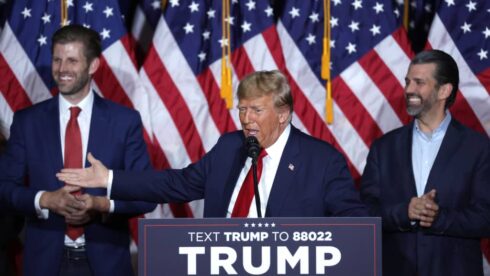
The public listing of American Bitcoin marks the latest chapter in the Trump family’s escalating involvement in cryptocurrency. Earlier this year, the family-backed crypto exchange World Liberty Financial received a multi-billion-dollar investment from an Abu Dhabi-based firm. The exchange is endorsed by both Eric and Donald Trump Jr., further consolidating their status as high-profile crypto players.
President Trump himself has not remained on the sidelines. In January, he launched his own meme-inspired cryptocurrency, $TRUMP, which has experienced volatile trading but garnered significant attention from the digital asset community. Financial disclosures estimate that crypto investments now make up roughly $2.9 billion of the Trump family’s net worth.
While these ventures signal the family’s long-term bet on the future of digital currencies, they have also triggered ethical concerns. Critics argue that the family’s political influence may give them undue advantage in a largely unregulated market.
Political Blowback and Regulatory Scrutiny Intensify
As the Trump family’s crypto dealings expand, so too does political pushback. Senate Democrats recently blocked the passage of a major cryptocurrency regulation bill, demanding stronger safeguards to prevent conflicts of interest. Senator Elizabeth Warren, a vocal critic of the industry, accused Donald Trump of engaging in “crypto corruption,” citing the potential for insider benefit and influence over pending regulations.
The proposed legislation sought to ban elected officials from investing in or promoting certain digital asset ventures, a move widely viewed as a direct response to the Trump family’s activities. While the bill stalled, it reignited debate over the need for transparency and ethics in public service when it intersects with emerging technologies like cryptocurrency.
In response, White House spokesperson Anna Kelly dismissed allegations of impropriety, stating that the former president’s “assets are in a trust managed by his children, and there are no conflicts of interest.” Nonetheless, the mounting attention suggests that regulatory scrutiny of crypto may be increasingly shaped by the Trump family’s growing dominance in the space.
Market Outlook and Strategic Implications
With its upcoming Nasdaq listing, American Bitcoin is poised to attract institutional investors eager for exposure to crypto without directly purchasing digital currencies. Its stated goal of mining bitcoin at lower costs than competitors could position it favorably, especially amid rising energy prices and post-halving market adjustments.
However, success hinges on more than market conditions. The firm must navigate increasing environmental regulations, local opposition to mining operations, and potential federal oversight, especially if a Trump return to the White House further politicizes the industry.
Whether viewed as a visionary move into a rapidly evolving sector or a controversial expansion of political power into financial markets, the Donald family’s crypto ventures are undeniably reshaping the narrative surrounding digital assets in America. Their public listing marks more than a business milestone—it may be a signal of cryptocurrency’s deeper entrenchment in the political economy of the United States.


https://webtoolsreview.substack.com/p/why-screenshots-arent-the-best-way