




























Iranian Assets have emerged as a new flashpoint in Middle East diplomacy after reports that the United States is exploring ways to use funds linked to Iran to support Reconstruction efforts in Gulf countries affected by recent attacks. The proposal arrives at a delicate moment, with peace negotiations already under pressure and both Washington and Tehran attempting to define the terms of a fragile ceasefire. What began as a military conflict is increasingly becoming a financial and diplomatic contest over who pays for the consequences of war.
Reconstruction Costs Rise After Missile and Drone Strikes in Kuwait and Bahrain
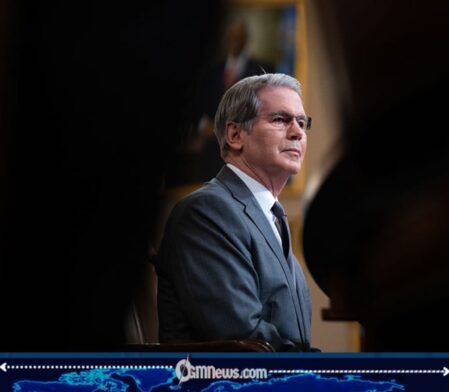
The latest reports indicate that U.S. Treasury Secretary Scott Bessent has directed officials to assess damage sustained by Gulf allies following Iranian missile and drone attacks, particularly in Kuwait and Bahrain. According to sources familiar with the matter, Washington is evaluating whether Iranian Assets could be used to finance Reconstruction projects and repairs resulting from those attacks. The review reportedly includes both damage already sustained and potential future destruction linked to ongoing hostilities.
The discussion gained prominence shortly after an adviser to Iran’s supreme leadership stated that any peace agreement would require the release of approximately $24 billion in Iranian assets frozen by the United States. Instead, Washington appears to be considering whether some of those resources could be redirected toward Gulf allies that suffered damage during the conflict. While officials have not publicly detailed which assets are under review, the proposal introduces a new layer of complexity into already difficult negotiations.
Iran Wants Frozen Funds Released While U.S. Eyes Them for Gulf Repairs
The debate over Iranian Assets comes amid renewed military exchanges that have tested the ceasefire. Recent reports describe U.S. strikes against Iranian radar installations near the Strait of Hormuz following drone activity that American officials said threatened maritime traffic. Iran subsequently claimed responsibility for retaliatory actions targeting U.S. military facilities in Kuwait and Bahrain, although multiple missiles and drones were reportedly intercepted.
Beyond the immediate security concerns, the broader implications for Reconstruction and regional stability remain significant. The Strait of Hormuz remains one of the world’s most important energy corridors, and disruptions have contributed to concerns about global energy markets and shipping security. Diplomatic efforts involving regional mediators, including Pakistan, continue, but negotiations appear stalled as both sides maintain firm positions regarding sanctions, frozen assets, and future security arrangements. Analysts note that any attempt to redirect Iranian funds could become a major point of contention, potentially affecting both legal debates and future diplomatic progress.
For now, Iranian Assets remain at the center of a dispute that extends far beyond accounting ledgers. Whether the funds ultimately support Reconstruction, return to Iran, or become a bargaining chip in future negotiations may help determine the durability of the ceasefire and the direction of regional diplomacy. OGM News will continue monitoring developments as policymakers, diplomats, and regional leaders navigate one of the most consequential financial disputes arising from the conflict.



mjpKyJqtopJmUkjsHEeNp