









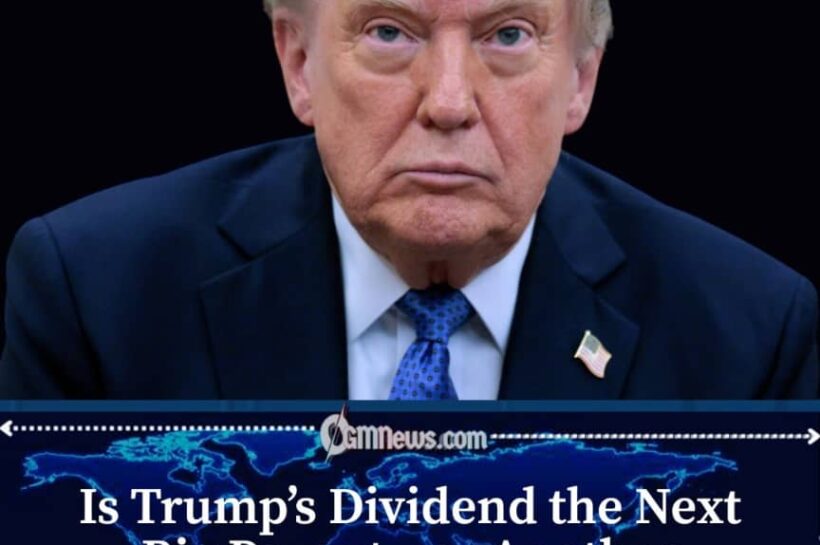













President Donald Trump is facing an unusual rebellion from prominent Republican allies after reports emerged that his administration is moving toward a possible diplomatic arrangement with Iran that critics say could weaken America’s strategic position in the Middle East. The emerging controversy has transformed what initially appeared to be a potential breakthrough into a political storm, with conservative lawmakers openly questioning whether Washington risks handing Tehran economic and diplomatic victories after months of confrontation. The dispute has also revived broader debates over America’s role in the region, the future of the Strait of Hormuz, and whether Trump’s “America First” foreign policy is colliding with the demands of military escalation.
White House Faces Backlash Over Possible Hormuz Concessions
The uproar intensified after reports suggested the proposed framework could include a temporary ceasefire extension, reopening of the Strait of Hormuz, and reduced maritime restrictions in exchange for Iran clearing naval mines and allowing international shipping to resume. While the Trump administration reportedly views the arrangement as a pathway toward broader negotiations, several Republican lawmakers described the proposal as dangerously premature.
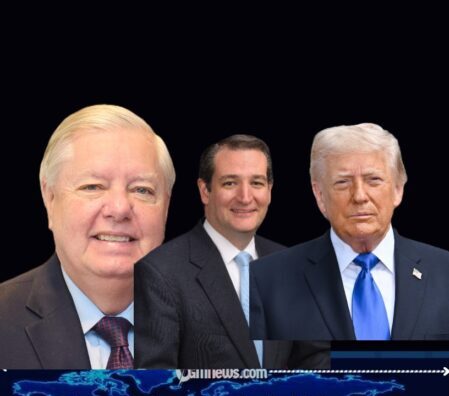
Senator Roger Wicker warned that any rushed ceasefire could erase the strategic gains achieved during recent military operations, while Senator Ted Cruz argued that allowing Iran economic breathing space without fully resolving nuclear concerns would amount to a “disastrous mistake.” Senator Lindsey Graham went even further by publicly questioning the rationale behind the conflict itself if Iran still retained the ability to pressure Gulf oil infrastructure and influence regional security. The rare criticism exposed visible cracks within Trump’s traditionally loyal Republican coalition.
Trump responded by attempting to calm tensions inside the party, insisting that negotiations remained incomplete and that critics were reacting to rumors rather than finalized terms. In a series of public remarks, President Trump stated that his administration would not rush negotiations and maintained that time remained on America’s side. The White House also emphasized that discussions over Iran’s nuclear activities were still expected to continue as part of a broader diplomatic process.
Trump Slows Iran Talks After Pressure From GOP Allies
The Iran controversy arrives at a delicate moment for the global economy and regional diplomacy. The Strait of Hormuz remains one of the world’s most strategically important energy corridors, with disruptions there capable of sending oil prices sharply higher and increasing pressure on international markets. Since fighting intensified earlier this year, concerns over shipping routes and Gulf stability have remained central issues for both Western governments and major energy producers.
Additional political pressure emerged from influential figures tied to previous Republican administrations. Former Secretary of State Mike Pompeo sharply criticized the framework, comparing it to the Obama-era nuclear agreement that Trump famously abandoned during his earlier presidency. Pompeo argued that Iran should face stronger pressure rather than sanctions relief or expanded oil access, warning that any appearance of weakness could embolden Tehran across the region.
Meanwhile, Secretary of State Marco Rubio suggested that diplomatic progress was possible and hinted that major developments could emerge soon. Analysts say the conflicting Republican reactions reflect a larger ideological divide within conservative politics: one side prioritizes military strength and maximum pressure, while another increasingly fears the economic and geopolitical costs of prolonged confrontation. Some observers also note that Trump’s effort to balance aggressive rhetoric with eventual negotiation mirrors tactics he has previously used in disputes involving North Korea, China, and NATO allies.
As negotiations continue behind closed doors, the political fallout may ultimately become as significant as the diplomatic outcome itself. Trump now faces the difficult task of maintaining pressure on Iran while convincing skeptical allies that diplomacy does not equal surrender. OGM News understands that further developments in the talks, particularly concerning Iran’s nuclear program and Gulf security arrangements, could determine whether this emerging agreement becomes a historic breakthrough or a defining political liability for the White House.
[…] […]